
Mandelson Faces EU Anti-Fraud Investigation

EU anti-fraud office confirms formal investigation into Mandelson with sufficient evidence, though specific allegations remain undisclosed at this stage.
Peter Mandelson, the prominent British Labour politician and former European Commission Vice-President, now faces a formal investigation by the European Union's anti-fraud office, marking a significant development in what could become a major political controversy. The Office for European Anti-Fraud (OLAF) has officially confirmed that it possesses adequate evidence and material to proceed with a comprehensive inquiry into matters concerning the prominent political figure, though the organization has deliberately withheld specific details about the nature of the allegations at this preliminary stage.
The EU anti-fraud investigation into Mandelson represents a serious escalation in scrutiny surrounding the politician's activities and conduct. While OLAF's statement confirms that the organization has "sufficient information" to initiate the investigation, officials have conspicuously refrained from clarifying whether the probe centers on potential fraud charges or other possible misconduct. This deliberate ambiguity has intensified speculation among political observers and media analysts about what exactly triggered the formal inquiry and what specific concerns prompted the decision to launch such a high-profile investigation.
Mandelson's political career has been marked by considerable influence and occasional controversy throughout his decades in public service. The 66-year-old Labour figure served as a key strategist during Tony Blair's government in the 1990s and 2000s, and later held the prestigious position of Vice-President of the European Commission, where he oversaw trade policy for the European Union. His prominence in British and European politics has made him a target of intense media scrutiny and political opposition, particularly regarding financial arrangements and business dealings.
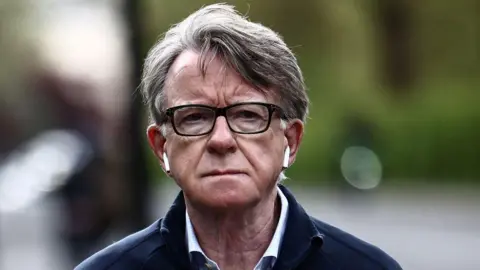
The OLAF investigation process represents one of the most serious accountability mechanisms within the European Union's institutional framework. OLAF operates independently from direct political pressure and maintains investigative authority over suspected fraud, corruption, and irregularities involving EU funds or personnel. The office's decision to formally launch an investigation against such a high-ranking former official underscores the gravity with which the organization has approached the matter and suggests that preliminary findings warranted deeper examination through established investigative protocols.
European Union officials have emphasized that the launch of a formal investigation does not necessarily indicate guilt or wrongdoing, as the process is designed to thoroughly examine circumstances and determine whether violations of EU regulations or laws have occurred. The formal investigation procedures employed by OLAF typically involve extensive document review, witness interviews, and comprehensive analysis of financial records. These investigations can stretch over months or years, depending on the complexity of the matter and the cooperation received from relevant parties and institutions.
The timing of this investigation announcement has prompted political observers to consider potential implications for Mandelson's current activities and future prospects in public life. The Labour peer has maintained a significant profile in British politics and international business circles since stepping back from formal EU roles, serving as an advisor to major corporations and organizations. The investigation could affect his standing within business and political communities that have valued his expertise in international trade and political strategy.
Responses from Mandelson's representatives and allies have generally emphasized his commitment to transparency and cooperation with any official investigations. The political figure has long maintained that his financial dealings and professional activities have been conducted in full compliance with applicable regulations and ethical guidelines. His supporters argue that the EU politician has been a longstanding advocate for strong anti-corruption measures and institutional accountability throughout his career in public service.
The investigation occurs against a broader backdrop of increased scrutiny regarding financial conduct among European political figures and officials. In recent years, the European Union has undertaken numerous investigations into various forms of misconduct, corruption, and improper financial arrangements involving politicians, bureaucrats, and business leaders. These efforts reflect growing public demand for accountability and transparency in institutional spending and personal financial arrangements of public officials.
Anti-fraud measures in the EU have become increasingly sophisticated and comprehensive as the organization has worked to enhance its investigative capacity and enforcement mechanisms. OLAF has expanded its resources and developed more advanced analytical tools to detect potential irregularities and suspicious patterns in financial transactions. The office collaborates extensively with national authorities and other EU institutions to ensure coordinated responses to suspected misconduct that might implicate multiple jurisdictions or institutions.
The specific nature of the allegations or concerns that prompted OLAF to pursue this investigation remains shrouded in official confidentiality, as the organization follows established protocols designed to protect the integrity of ongoing investigative work. Until preliminary findings are concluded or formal charges are filed, EU officials have declined to provide substantive details about the direction or scope of their inquiry. This approach is standard practice in European investigations, as premature disclosure could potentially compromise the investigation's effectiveness or violate the legal rights of individuals under examination.
Political observers and analysts have noted that the EU investigation into Mandelson represents yet another challenge for a political figure who has experienced both tremendous success and considerable controversy throughout his career. The investigation's outcome could carry significant implications not only for Mandelson personally but also for broader discussions within the Labour Party and British politics regarding the conduct and accountability of senior political figures who have held international positions. The timing and scale of the investigation underscore the seriousness with which European institutions approach potential violations of their regulatory frameworks and ethical standards.
As the investigation progresses, stakeholders across the political spectrum will be monitoring developments carefully for any new information regarding specific allegations or the investigation's trajectory. The OLAF inquiry process is expected to follow standard protocols, with conclusions potentially emerging over the coming months or years depending on the complexity of issues under examination. Whatever the ultimate outcome, the investigation represents a significant moment in both Mandelson's personal career and the broader institutional commitment of the European Union to ensuring accountability among former and current officials.
The investigation's existence and ongoing nature demonstrate that even prominent political figures with substantial influence and extensive connections cannot operate outside the scope of institutional accountability mechanisms. European institutions have consistently affirmed their commitment to pursuing credible allegations of misconduct without regard to the political prominence or influence of individuals involved. This investigation exemplifies the principle that institutional integrity and public trust depend on impartial application of regulatory standards across all levels of official conduct.
Source: BBC News


