
Mandelson's Dog Walk: The Politics of Public Perception

Peter Mandelson faces political scrutiny while mastering the art of the doorstep photo. Explore how public figures use casual moments to shape their image.
In the midst of a significant political controversy that has sent shockwaves through Westminster, former US ambassador and Labour peer Peter Mandelson has demonstrated a masterclass in the carefully choreographed art of the doorstep photograph. While civil servants face parliamentary scrutiny regarding their knowledge of his security vetting process, and ongoing police investigations examine serious allegations related to his conduct, Mandelson has adopted a seemingly carefree public demeanor that speaks volumes about calculated political strategy.
Throughout the week, the embattled politician has maintained an air of studied nonchalance, stepping out from his prestigious Regent's Park residence with the ease of someone without a care in the world. Each outing follows a remarkably consistent pattern: casual attire consisting of well-fitted jeans and understated jumpers, paired with props that signal normalcy and domestic contentment. Most notably, he has been spotted with a plastic ball-thrower in hand, making his way across the street toward the park with the casual determination of any ordinary homeowner engaging in their weekend leisure activities.
The art of the doorstep photo represents a sophisticated form of non-verbal communication in the modern political landscape, one that Mandelson appears to have perfected over decades in the public eye. These brief, seemingly spontaneous encounters with waiting photographers serve a dual purpose: they deny the narrative that he is hiding from scrutiny while simultaneously projecting an image of unflappable composure. By choosing to engage with the media presence outside his home rather than avoiding it entirely, he sends a powerful message about his confidence and innocence.

The history of political figures managing their public image through calculated doorstep appearances extends back far further than contemporary media cycles. From British pop stars navigating tabloid intrusion to high-profile political figures managing personal crises, the doorstep photo has evolved into something of a strategic art form. Notable figures across the spectrum have learned that strategic visibility can be more effective than sequestration, understanding that the public narrative surrounding their actions can be influenced through carefully managed moments of apparent spontaneity.
Mandelson's approach draws from a well-established playbook that includes what observers have termed the "casual domesticity gambit." By presenting himself in ordinary situations—walking his dog, dressed in weekend wear, engaging in mundane activities—he creates cognitive dissonance with the serious allegations dominating headlines. The message conveyed through these appearances is multifaceted: I am innocent, I have nothing to hide, I am not cowering away, and most importantly, my life continues normally despite the political turbulence surrounding me.
The slight, deliberate smiles offered to photographers stationed at his gate represent another layer of sophisticated image management. These are not warm, engaging smiles that might suggest arrogance or dismissal of the serious nature of the inquiries facing him. Rather, they are restrained, almost perfunctory gestures that acknowledge the media presence while maintaining an emotional distance. This balance is crucial—too much friendliness could suggest he is not taking matters seriously, while complete avoidance would feed narratives of guilt or shame.
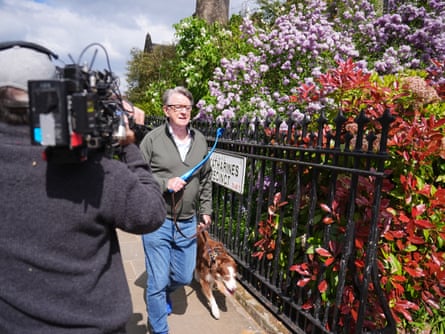
What makes Mandelson's execution particularly noteworthy is his consistent refusal to provide verbal comment despite being directly accessible to journalists. This disciplined approach demonstrates a high level of media savvy and strategic thinking. By allowing photographers to capture images while maintaining absolute silence, he controls the visual narrative without creating fresh quotations that could be scrutinized, misinterpreted, or used against him in ongoing investigations or parliamentary questioning.
The psychological impact of this strategy cannot be understated in contemporary politics. Research into media perception and public opinion suggests that images have a powerful emotional resonance that words often cannot match. A photograph of someone engaged in ordinary, relatable activities—particularly something as universally sympathetic as walking a beloved pet—creates an emotional bridge between the public figure and ordinary citizens. It humanizes the individual in a way that formal statements or official denials simply cannot achieve.
This particular moment in political history provides a fascinating case study in how public figures manage crisis communication during periods of intense scrutiny. The contrast between the serious nature of the allegations and the deliberate casualness of his public appearances creates a striking juxtaposition. While parliamentary investigations continue and police inquiries proceed, Mandelson's strategy appears to be one of strategic normalcy—suggesting through his actions and demeanor that despite the serious questions being raised, life goes on, and he remains unbowed by the political storm.
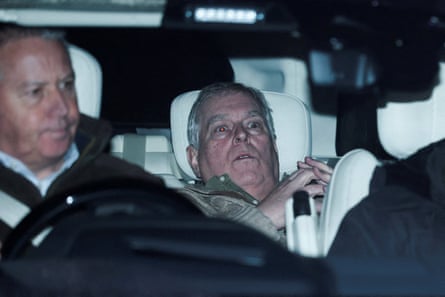
The effectiveness of such strategies often depends on how long they can be sustained. If the investigations conclude quickly with exonerations, the doorstep photos become powerful evidence of his innocence and unflinching composure. If, conversely, the inquiries produce damaging findings, these images of apparent nonchalance could be recontextualized as evidence of arrogance or disrespect for the process. This inherent risk is likely calculated into Mandelson's decision-making regarding public visibility.
Throughout his long career in British politics, Mandelson has built a reputation as someone acutely attuned to media dynamics and public perception. His approach to this current controversy—neither hiding from scrutiny nor aggressively confronting it, but rather performing an act of studied normalcy—fits within a broader pattern of his political methodology. The doorstep walk with the dog becomes not merely a physical exercise but a carefully orchestrated piece of political theatre.
The media presence at political residences has become an established feature of contemporary political crises. When significant allegations emerge or serious investigations commence, the concentration of photographers and journalists at a public figure's home serves as a visual representation of the intense public interest in the matter. By choosing to emerge from his residence and move freely through public space, Mandelson asserts his right to normal life while acknowledging, through his actions rather than words, that he is aware of and prepared to face the scrutiny surrounding him.

The ongoing investigations and parliamentary inquiries represent a serious challenge to both Mandelson's reputation and his political future. The involvement of civil servants in debates about security vetting procedures adds another layer of complexity to the situation, suggesting that institutional processes may have been compromised or mishandled. Against this backdrop, his ability to project calm confidence through simple acts of public visibility becomes all the more significant as a counternarrative to potentially damaging testimony and findings.
As the story continues to develop, political observers and media analysts will likely dissect these doorstep moments extensively, interpreting the smallest details—the clothing choices, the presence or absence of the dog, the angle of his walk—for clues about his state of mind and the likely trajectory of the investigations. What Mandelson may have intended as straightforward acts of normalcy will be scrutinized as carefully as any official statement, subjected to the intense analysis that surrounds high-profile political figures navigating serious crises.
Source: The Guardian


