
Manet & Van Gogh: Masters of Hidden Printmaking Art

Discover how iconic impressionist painters revolutionized printmaking. Bath exhibition reveals 50+ prints by Van Gogh, Manet, and Gauguin.
While the world knows Édouard Manet, Vincent van Gogh, and Paul Gauguin primarily for their stunning oil paintings that grace museums globally, a remarkable new exhibition in Bath is shining a spotlight on an entirely different facet of their artistic genius. The printmaking exhibition opening at the prestigious Holburne Museum challenges conventional wisdom about these legendary artists, revealing their profound contributions to a medium that had fallen into relative obscurity during the nineteenth century.
The display features more than fifty exceptional prints, meticulously curated to showcase how impressionists, post-impressionists, and cubists revitalized the ancient art of printmaking. Rather than simply reproducing their painting techniques, these artists approached printmaking as a serious and independent artistic pursuit, employing sophisticated methods to create works that possessed their own distinctive character and aesthetic value. This exhibition represents a significant scholarly effort to recontextualize how we understand the creative output of these transformative figures in art history.
The revival of printmaking during the late nineteenth century was not accidental but rather a deliberate artistic movement. Many of these painters were inspired by the technical possibilities and unique visual qualities that printmaking offered, from the nuanced tonal variations of etching to the bold graphic qualities of lithography. By engaging with these traditional techniques, artists found new ways to express their modern sensibilities and experimental approaches to form and composition.

Vincent van Gogh's printmaking endeavors provide a particularly compelling case study within the exhibition. Though many are unaware of his extensive work in this medium, van Gogh created numerous prints that explored similar themes to his paintings, yet with fundamentally different technical approaches. His experiments with etching and lithography allowed him to investigate how different mediums could convey emotion and movement through line and tone rather than color and brushwork. These works demonstrate van Gogh's intellectual curiosity and willingness to master multiple artistic disciplines.
Édouard Manet's contributions to printmaking similarly reveal an artist unafraid to push boundaries and challenge established conventions. Manet's prints showcased his remarkable ability to capture spontaneous moments and psychological depth through economical means. His etching technique was characterized by bold, confident marks that conveyed as much meaning as his painted compositions. The exhibition allows visitors to trace how Manet's printmaking evolved throughout his career, reflecting his broader artistic development and experimentation with visual language.
Paul Gauguin's printmaking practice represented yet another distinctive approach to the medium. Gauguin developed distinctive techniques, particularly in woodcut and lithography, that aligned with his broader artistic philosophy emphasizing bold color and primitive forms. His prints often functioned as independent artworks rather than reproductions of paintings, demonstrating his commitment to exploring what each medium could uniquely express. Gauguin's willingness to embrace non-European aesthetic traditions and unconventional techniques positioned him as a radical innovator within printmaking circles.
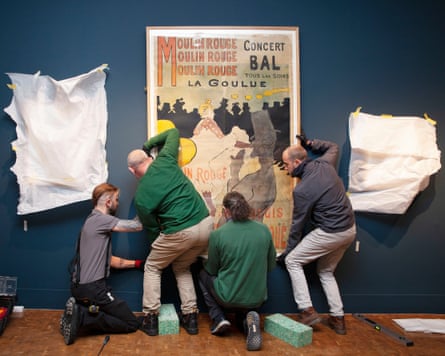
The historical context for this exhibition is particularly significant. During the early nineteenth century, printmaking had become largely associated with commercial reproduction and academic training, losing much of the prestige it had enjoyed during earlier periods. However, a new generation of progressive artists recognized the expressive potential within these traditional techniques. By deliberately engaging with printmaking as a primary artistic medium rather than merely a reproductive tool, painters like Manet, van Gogh, and Gauguin fundamentally transformed public perception of the medium and elevated its status within fine art discourse.
The Holburne Museum's decision to mount this exhibition reflects growing scholarly interest in reassessing the complete artistic oeuvre of these celebrated painters. Art historians and curators increasingly recognize that understanding an artist's full practice requires examining all mediums they employed, not merely focusing on the most commercially prominent or visually striking works. This exhibition contributes meaningfully to that broader project of recontextualization and comprehensive artistic understanding.
Visitors to the exhibition will encounter works that challenge their preconceptions about these familiar artistic figures. The subtle interplay of light and shadow in an etching, the deliberate restraint of a lithograph, or the bold graphic impact of a woodcut print reveals dimensions of artistic thought and experimentation that may surprise those familiar only with these artists' paintings. The exhibition curators have carefully sequenced the works to highlight technical innovations, thematic concerns, and the evolution of artistic practice across the careers represented.
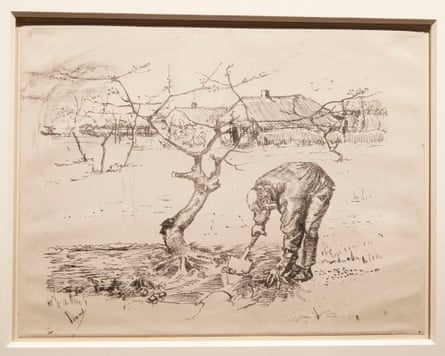
The artistic revival of printmaking during this period also reflects broader cultural and technological changes. New printing technologies emerged, artistic circles increasingly valued experimentation and technical mastery, and growing markets for prints meant that artists could achieve both critical acclaim and financial success through their printmaking practice. Understanding this context helps explain why serious painters devoted significant effort to a medium that had previously been viewed with some artistic condescension by academic establishments.
For contemporary artists and printmakers, this exhibition offers important validation and historical grounding. It demonstrates that the greatest painters of the modern era did not dismiss printmaking as secondary or inferior but instead recognized its unique possibilities and challenges. The exhibition thus functions as an argument for the continued relevance and importance of traditional printmaking practices, even in our contemporary digital age.
The curation of over fifty exceptional prints represents months of research and coordination with lending institutions, collectors, and fellow museums. Each work has been selected to illustrate specific technical achievements or artistic breakthroughs, ensuring that visitors encounter a coherent narrative about printmaking's revival and transformation. The exhibition catalog and accompanying scholarly materials provide further context for deeper engagement with the works on display and the historical forces that shaped printmaking practice during this transformative period.
The Bath exhibition represents more than simply displaying artworks; it constitutes a significant scholarly contribution to art historical understanding and a public education initiative. By positioning printmaking as a central concern of these major artistic figures, the exhibition encourages visitors to reconsider conventional narratives about art history, artistic practice, and creative achievement. The works on view testify to the enduring power of traditional techniques and the remarkable creativity that artists brought to their engagement with the medium, offering lessons for contemporary practitioners and profound appreciation for those who sustained these artistic traditions.
Source: The Guardian


