
Marathon Record-Breaking Shoes Weigh Less Than Soap

Discover how advanced shoe technology helped athletes shatter marathon records in London. Explore the science behind performance footwear and its impact on running.
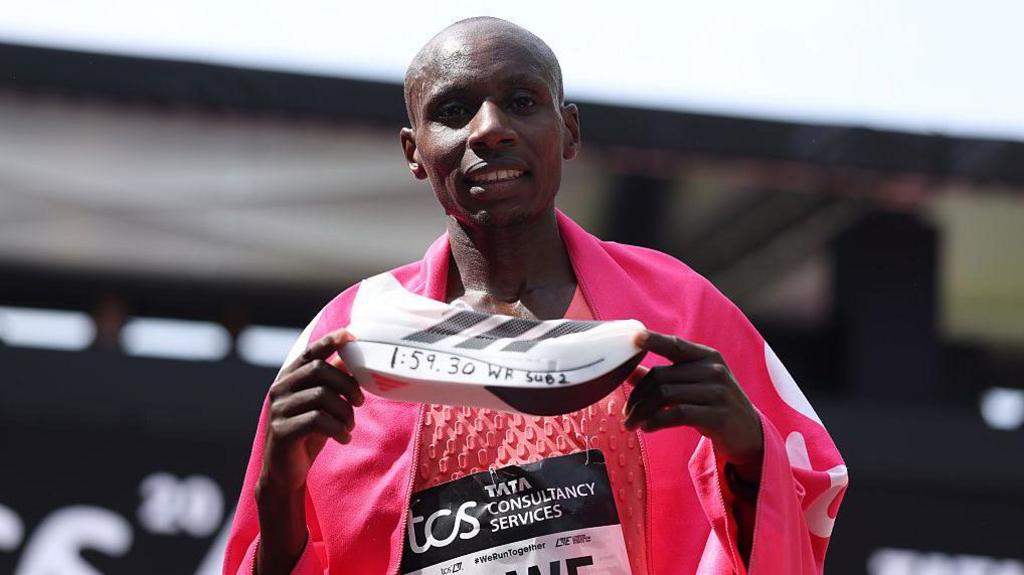
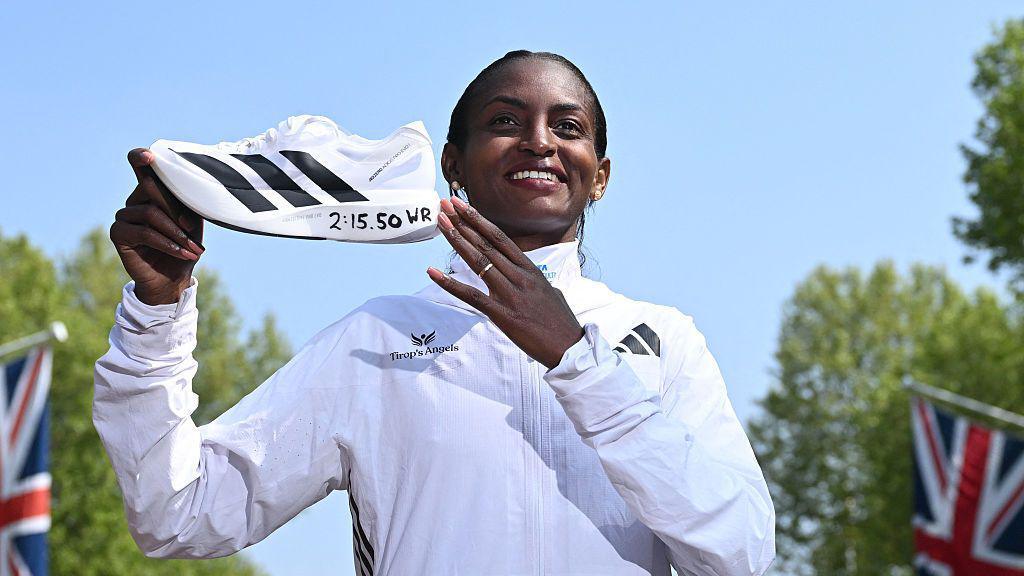
In a stunning display of athletic achievement, marathon record holders Sabastian Sawe and Tigst Assefa made history in London on Sunday, rewriting the record books with performances that left the running world in awe. Their remarkable times have sparked widespread discussion about the role that advanced racing shoe technology played in their record-shattering performances. The convergence of cutting-edge footwear design and elite athletic ability has fundamentally transformed how we understand competitive running at the highest levels.
The evolution of marathon running shoes over the past two decades has been nothing short of revolutionary. Modern sport science has made unprecedented leaps in understanding the biomechanics of distance running, while simultaneously, shoe manufacturers have invested billions into developing innovative materials and designs. These technological advances have created an environment where marginal gains in equipment can translate into measurable improvements in athletic performance. The shoes worn by these record-breakers represent the pinnacle of this technological revolution, embodying years of research and development.
One of the most striking features of contemporary elite running footwear is their remarkable lightness. The shoes worn during record-breaking performances weigh less than a standard bar of soap, a fact that underscores how far manufacturing has come in reducing unnecessary weight while maintaining structural integrity and performance support. This reduction in mass means that athletes expend less energy with each stride, allowing them to maintain faster paces over the grueling 42.195-kilometer distance. The physics is straightforward: lighter shoes require less muscular effort to propel forward, which compounds into significant time savings over 26.2 miles.
The science of beating what runners call "the wall"—the physiological breakdown that typically occurs around mile 20—has advanced tremendously thanks to sports science research. Scientists now understand the precise conditions under which the human body transitions from aerobic to anaerobic metabolism during prolonged endurance activity. This knowledge has informed shoe design in subtle but crucial ways, from the placement of cushioning zones to the flexibility patterns built into the sole. The shoes incorporate strategically engineered components that work in harmony with the runner's natural biomechanics to delay fatigue and maintain efficiency when energy systems are depleted.
Glycogen depletion and muscular fatigue are among the primary limiting factors in marathon performance, and shoe technology innovations address these challenges through various mechanisms. Advanced cushioning materials absorb impact forces more efficiently, reducing the mechanical stress on muscles and connective tissues. This translates to fresher legs in the final kilometers when the race is often decided. The shoe's geometry and material composition work together to optimize the body's energy return with each ground contact, essentially recycling some of the energy that would otherwise be lost to heat and vibration.
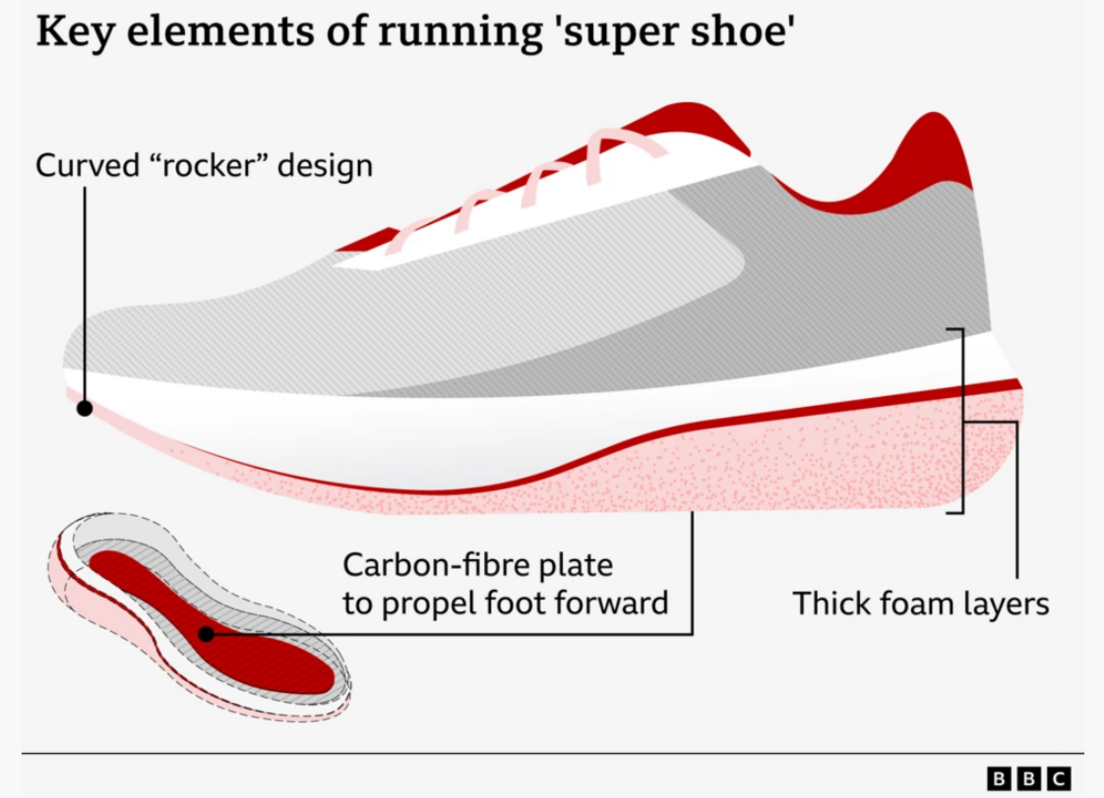
The materials science behind modern elite marathoning shoes is equally impressive. Carbon fiber plates embedded in the midsole provide propulsive benefits while maintaining minimal weight. Foam technologies derived from aerospace and automotive industries create cushioning systems that are both responsive and durable. These aren't just incremental improvements over previous generations—they represent genuine breakthroughs in materials engineering. The shoes can withstand the tremendous forces generated during high-speed running while contributing positively to performance metrics.
The role of athletic equipment in performance has become increasingly scrutinized in recent years, with governing bodies like World Athletics implementing regulations to ensure fair competition. There's ongoing debate about how much of an athlete's success can be attributed to their shoes versus their training, genetics, and mental fortitude. However, experts generally agree that while equipment alone cannot create an elite performer, having the best available technology can provide meaningful advantages when competing at the highest levels. The marginal seconds gained through superior footwear can indeed be the difference between a record and a second-place finish.
The development process for elite marathon shoes involves extensive testing and iteration. Manufacturers work with biomechanics experts, physiologists, and professional athletes to refine every aspect of the design. Pressure mapping, motion capture analysis, and performance testing on controlled courses help identify potential improvements. Many elite runners also provide feedback based on their experience, allowing manufacturers to make subtle adjustments that might seem minor but can have cumulative effects over 42 kilometers. This collaborative approach ensures that the final product represents the convergence of scientific knowledge and practical athletic wisdom.
Investment in running shoe technology has skyrocketed as major manufacturers recognize the competitive and commercial opportunities. Companies spend hundreds of millions annually on research and development, with elite running being both a testing ground and a marketing showcase. When an athlete wins a major marathon or breaks a world record in a particular shoe model, it validates years of development work and creates significant consumer interest. This creates a virtuous cycle where success drives innovation, which enables further success.
Looking at the London marathon results in the context of shoe technology evolution reveals a clear pattern of improvement. The records set by Sawe and Assefa are built upon a foundation of technological advancement that has progressively made faster marathons possible. Each generation of elite running shoes incorporates lessons learned from previous iterations and new scientific discoveries. The shoes worn on Sunday represented the absolute cutting edge of what's possible when engineering precision meets material science excellence. These aren't simply refined versions of shoes from five or ten years ago—they're fundamentally different products created with modern tools and understanding.
The broader implications of advanced marathon footwear extend beyond individual record-breaking performances. These technological advances eventually filter down to recreational runners and everyday consumers, though typically with cost reductions and some feature modifications. Runners of all ability levels benefit from the research conducted at the elite level. The insights about cushioning, support, and energy efficiency apply across the spectrum of running, from casual joggers to competitive age-group athletes. This democratization of technology has made better performance accessible to a much wider population.
As we look toward future marathons and continued pursuit of even faster times, it's clear that shoes will remain a critical component of the equation. Manufacturers continue to push the boundaries of what's possible, exploring new materials, designs, and manufacturing techniques. The next generation of elite marathon shoes may incorporate even lighter materials, more sophisticated carbon fiber structures, or novel cushioning systems that haven't yet been conceived. The convergence of sports science, material engineering, and athlete expertise promises continued innovation that will further revolutionize distance running performance.
In conclusion, while Sabastian Sawe and Tigst Assefa's record-breaking marathon performances in London undoubtedly reflect their exceptional talent, training, and determination, the role of advanced shoe technology cannot be overlooked. The shoes they wore—lighter than soap yet engineered to perfection—represent a significant component of the modern marathon experience. As running innovation continues to advance, we can expect further records to fall, each one pushing the boundaries of human performance and technological capability just a little bit further.
Source: BBC News


