
Marathon Star Sawe Gets Hero's Welcome Home

Kenyan runner Sabastian Sawe returns to his village as a national hero after breaking the two-hour marathon barrier at London Marathon.
Sabastian Sawe, the groundbreaking Kenyan distance runner who achieved what many thought impossible, returned to his home village in western Kenya to an extraordinary celebration befitting his historic accomplishment. The athlete, who made global headlines by becoming the first person to complete an official marathon in under two hours, was met with overwhelming displays of emotion and gratitude from his community members, family, and supporters who lined the streets to honor his remarkable feat.
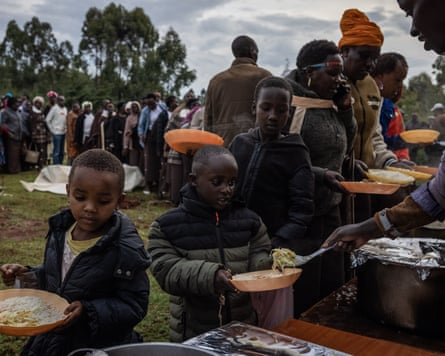
The London Marathon champion arrived in Eldoret on Thursday aboard a Kenyan military aircraft typically reserved for high-level government operations and special operations missions, underscoring the significance that his achievement holds for the nation. His arrival sparked celebrations that reflected Kenya's deep pride in producing world-class distance runners and maintaining its dominance in the sport of long-distance running. The scene was one of jubilation, with crowds presenting traditional garlands and singing songs of praise for their native son.
Speaking to the assembled crowds and media representatives gathered to witness his homecoming, Sawe expressed gratitude and humble recognition of his accomplishment. He characterized his historic sub-two-hour marathon victory not as a personal triumph, but as a collective achievement that belonged to his entire community and nation. "This is a victory for all of us," he declared, emphasizing how his success represented the culmination of years of dedication, sacrifice, and the support of countless people who believed in his potential and contributed to his development as an athlete.

The marathon record that Sawe established when he crossed the finish line at the London Marathon in a time of 1 hour, 59 minutes, and 30 seconds captured the imagination of sports enthusiasts worldwide and confirmed Kenya's status as a breeding ground for exceptional distance running talent. His performance not only broke the psychological barrier that had eluded elite runners for years but also demonstrated the physical capabilities that could be achieved through dedicated training, proper nutrition, and mental fortitude. The achievement prompted extensive analysis from sports scientists, running coaches, and athletic commentators who sought to understand the factors that enabled him to transcend previous performance limits.
Kenya has long established itself as a nation with unparalleled expertise in producing elite marathon runners and long-distance athletes who consistently dominate international competitions and set records. This cultural emphasis on running, combined with the country's unique geographic advantages—including high-altitude training areas that naturally enhance oxygen utilization and cardiovascular capacity—has created an environment where exceptional athletic achievement flourishes. Sawe's victory represents the latest chapter in Kenya's remarkable legacy of distance running excellence, building on the foundation laid by numerous predecessors who have shaped the global running landscape.
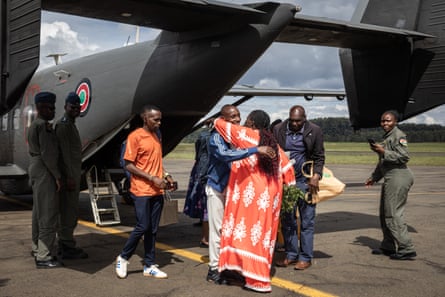
The significance of Sawe's achievement extends beyond the realm of sports, resonating deeply within Kenyan society as a source of national inspiration and pride. His success story—from humble beginnings in a western Kenyan village to becoming the first official sub-two-hour marathoner—demonstrates the transformative power of athletic excellence and provides a powerful narrative of determination triumphing over seemingly insurmountable odds. Young athletes throughout Kenya have already cited his accomplishment as motivation to pursue their own dreams and commit themselves to excellence in distance running.
The London Marathon victory represented the culmination of years of rigorous training, strategic preparation, and unwavering commitment to the sport. Sawe had been steadily progressing through marathon competition, consistently improving his times and positioning himself among the world's elite runners. His coaches, training partners, and support team worked meticulously to optimize every aspect of his preparation, from training regimens and nutrition to recovery protocols and mental conditioning strategies. This comprehensive approach ultimately enabled him to deliver the performance that captured world records and international acclaim.
The response from Kenyan government officials and sports authorities has been equally enthusiastic, with many recognizing Sawe's achievement as a testament to the nation's capabilities and potential. Officials have indicated their commitment to supporting elite athletes and investing in infrastructure and programs that cultivate distance running excellence. Recognition of Sawe's achievement at the governmental level underscores how individual athletic accomplishments can inspire national policies and priorities related to sports development and athlete support systems.
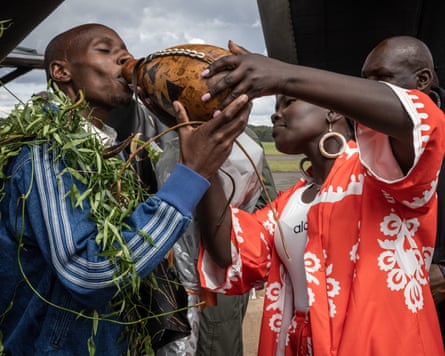
The hero's welcome extended to Sawe reflects broader cultural values within Kenyan communities that celebrate athletic achievement and recognize the dedication required to reach the highest levels of sporting competition. Traditional ceremonies, public gatherings, and expressions of communal appreciation have long been part of how Kenyan society honors its sporting heroes. In Sawe's case, these expressions of gratitude and celebration serve not only to recognize his personal accomplishment but also to reinforce the values of perseverance, excellence, and community support that have enabled his success.
Looking forward, attention now turns to what Sawe will accomplish next in his athletic career. Questions about whether he will attempt to lower his own record, compete in other major marathons, or explore other running competitions have emerged among sports analysts and running enthusiasts. His demonstrated capability to perform at extraordinary levels suggests that additional achievements and records may be within reach. The athletic community eagerly awaits his next competition and the potential for further breakthroughs in marathon running performance.
Sawe's return to Kenya and the celebration of his historic achievement also highlights the importance of recognizing and supporting elite athletes from developing nations. His success demonstrates that world-class performance is possible regardless of geographic or economic circumstances, provided that talented individuals receive appropriate opportunities, guidance, and encouragement. For Kenya and other nations with strong athletic traditions, Sawe's achievement serves as validation of their approach to cultivating and supporting sporting excellence at the highest levels of international competition.
Source: The Guardian


