
May Day Strong: Nationwide Economic Blackout Planned

Thousands to participate in 'no school, no work, no shopping' protest across 3,500 events nationwide for International Workers' Day economic blackout.
A massive coordinated movement is gaining momentum across the United States as thousands of Americans prepare to participate in what organizers are calling an economic blackout for International Workers' Day on Friday. The movement, known as May Day Strong, encompasses approximately 3,500 planned events spanning the entire nation, representing one of the most ambitious labor demonstrations in recent years. Participants are being urged to abstain from traditional economic activities through a simple but powerful message: "no school, no work, no shopping."
The demonstrations will take multiple forms as communities across the country activate their commitment to workers' rights and economic justice. Planned activities include coordinated walkouts from workplaces and educational institutions, organized marches through major cities, block parties and community gatherings that are expected to continue well into the evening hours. This multifaceted approach allows participants to engage with the movement in ways that fit their circumstances and comfort levels, from those able to skip work entirely to those joining evening celebrations and marches after their regular schedules.
The May Day Strong coalition brings together a diverse array of organizations united by common goals and shared frustrations with current economic and political systems. The coalition includes prominent labor unions representing workers across multiple industries, immigrant rights groups advocating for vulnerable populations, political organizations such as the Democratic Socialists of America, and grassroots organizers who spearheaded the No Kings protests. This broad coalition reflects a recognition that economic justice concerns transcend traditional movement boundaries and that unity across different causes strengthens collective power.

The core demands unifying these diverse groups address what they view as fundamental injustices in the current American system. Organizers are calling for "a nation that puts workers over billionaires," a rallying cry that encapsulates their vision for prioritizing the interests of working people above the wealthy elite. Specific demands include the abolition of Immigration and Customs Enforcement (ICE), an end to military interventions abroad, and comprehensive tax reform that places the burden of taxation on the wealthiest Americans and corporations. These interconnected demands reflect an understanding that immigration enforcement, military spending, and wealth inequality are interrelated issues requiring systemic solutions.
May Day itself carries deep historical significance within the labor movement, marking International Workers' Day with annual commemorations and demonstrations that date back over a century. This year's iteration is particularly significant as it represents a convergence of multiple active social movements, each bringing their own constituency and urgency to the streets. The coordination demonstrates how various groups fighting for justice on different fronts recognize common enemies and shared interests, creating a powerful unified front.
The strategy of organizing an economic boycott during May Day Strong builds directly upon successful models from recent months. In January, a remarkably similar coordinated action took place in Minnesota's Twin Cities region, where tens of thousands of residents participated in what became known as a Minnesota economic blackout. That demonstration was organized in direct response to federal immigration agents conducting raids throughout the city, prompting an unprecedented mass mobilization of workers, students, and community members who collectively withdrew their labor and participation from the economy.

The success of the Minnesota action provided a powerful template and inspiration for organizers planning the national May Day Strong movement. Witnessing how many people could be mobilized through clear messaging and accessible participation methods encouraged activists to think bigger and bolder about what might be possible on a national scale. The Minnesota precedent demonstrated that when given clear direction and moral clarity about objectives, ordinary people are willing to make significant personal sacrifices for their principles and community.
As the movement continues to build momentum in the days leading up to Friday, organizing efforts are intensifying across cities and regions nationwide. Local organizations are coordinating logistics, spreading information through social media and community networks, and working to ensure that participation is accessible to people with varying circumstances and constraints. The emphasis on multiple forms of participation—whether full-day boycotts, evening marches, or block parties—reflects an inclusive approach designed to welcome the broadest possible participation.
The timing of May Day Strong carries particular resonance given current political and economic conditions in the United States. Growing concerns about worker protections, immigrant safety, military spending, and wealth inequality have created a moment where diverse movements feel compelled to act collectively. The May Day Strong coalition recognizes that a unified voice speaking to these interconnected issues possesses greater power than fragmented efforts addressing single concerns in isolation.
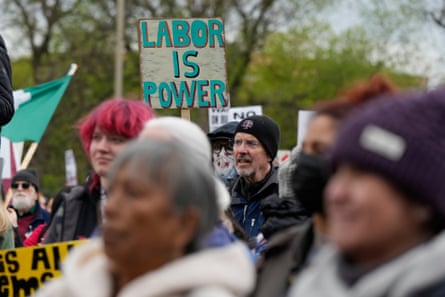
Participation logistics have been carefully planned to make involvement as simple and straightforward as possible for those who wish to join. With 3,500 events scheduled across the country, communities of every size will have organized activities to attend, from major city marches to smaller local gatherings. This distributed approach ensures that geography need not be a barrier to participation and that people in both urban centers and rural areas can contribute to the broader movement.
The "no school, no work, no shopping" messaging, while simple on its surface, carries profound implications and symbolism. By withdrawing labor and consumer participation, protesters are demonstrating the actual power that workers and consumers possess in the economic system. The message makes clear that the functioning of capitalism depends directly on the participation of ordinary people, and that withdrawing that participation, even temporarily, constitutes a powerful form of political speech and economic pressure. This strategy harks back to historical labor traditions of strikes and boycotts while adapting them for contemporary circumstances.
As May Day Strong preparations continue, the movement represents a significant moment in contemporary American activism. Whether measured by the number of events planned, the diversity of participating organizations, or the ambition of coordinating action across the entire nation, the scale of the mobilization is unprecedented in recent years. The next few days will reveal whether organizers can successfully translate their planning into actual mass participation, but early indicators suggest that the movement has tapped into genuine frustration and willingness to act among significant portions of the American population.
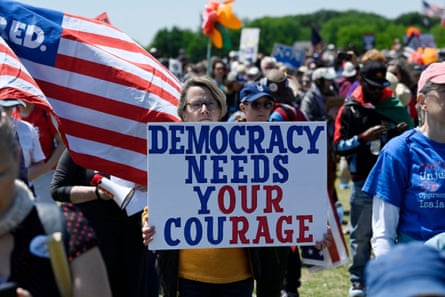
Source: The Guardian


