
Mbappé Speaks Out Against Le Pen's Far-Right Party

French football captain Kylian Mbappé warns of dangers posed by Marine Le Pen's National Rally party ahead of presidential election.
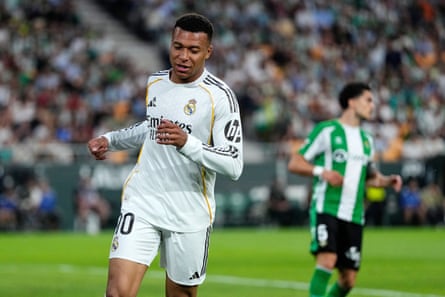
In a significant moment of political activism from the sports world, Kylian Mbappé, the renowned French football captain, has publicly expressed serious concerns about the prospect of Marine Le Pen's far-right National Rally party gaining power in France's upcoming presidential election. The 27-year-old athlete, who represents France on the international football stage, broke from traditional athlete political silence to address what he views as a critical threat to his nation's future.
Mbappé's intervention into the political arena comes amid growing tensions surrounding the rise of populist movements across Europe. The football star, speaking to Vanity Fair this week, articulated his deep-seated worries about the potential consequences of far-right governance. His comments have resonated with supporters of centrist and progressive political movements in France, while simultaneously provoking a strong response from the National Rally and its allies. The celebrity athlete's willingness to publicly critique a major political party demonstrates the increasing influence that public figures wield in shaping political discourse.
The National Rally party, led by Marine Le Pen, has built a substantial political base in France over recent years, capitalizing on economic anxieties and immigration concerns among certain voter demographics. The party's rise represents one of the most significant political shifts in contemporary French politics, raising alarms among traditional republican voices and international observers. Le Pen's faction has successfully rebranded itself as a mainstream political force, distancing itself from its overtly neo-Nazi roots while maintaining positions that critics argue remain fundamentally aligned with far-right ideology.

Mbappé, who grew up in Paris's northern suburbs in a multicultural household with roots in both Algeria and Cameroon, brings a unique perspective to this political debate. His background gives him direct insight into the communities most likely to be affected by far-right policies, particularly those targeting immigration and minority rights. This personal connection to the issues at stake lends considerable weight to his political statements, as he speaks not merely as a celebrity but as someone whose family's experience in France has been shaped by broader questions of inclusion and belonging.
In his statement to Vanity Fair, Mbappé declared: "I know what it means and what consequences it can have for my country when people like them come to power." This candid assessment reflects a sophisticated understanding of political history and contemporary European politics, suggesting that the football captain has thought carefully about the implications of different political scenarios. His remarks have been interpreted by many as a direct reference to the policies and rhetoric associated with far-right movements, which have historically targeted immigrant communities and religious minorities.
The backlash from the National Rally and its supporters has been swift and notable. Party officials and affiliated commentators have questioned whether athletes should involve themselves in electoral politics, while simultaneously defending their party's positions and attacking Mbappé's characterizations as unfair or misleading. This defensive posture from the National Rally suggests that the party views Mbappé's comments as particularly threatening, possibly because his status as one of the world's most famous athletes gives his political opinions considerable reach and influence.
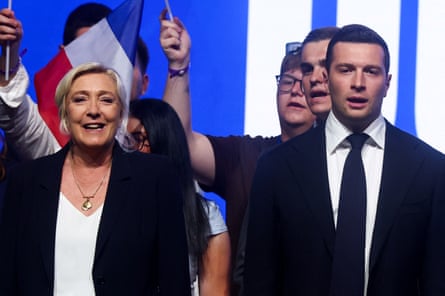
The French presidential election landscape has become increasingly competitive in recent years, with the National Rally positioning itself as a viable alternative to the traditional parties that have dominated French politics since the post-World War II period. Polls suggest that the party has made substantial gains among working-class voters, particularly in economically struggling regions. This electoral momentum has created genuine concern among mainstream political figures about the possibility of far-right governance in one of Europe's most influential nations.
Mbappé's intervention into this political debate represents a broader trend of athletes using their platforms to address societal issues beyond sports. In recent years, figures like LeBron James in the United States and Marcus Rashford in England have become increasingly vocal about political and social matters affecting their communities. The French football captain appears to be following this trajectory, recognizing that his prominent position in global culture grants him both the opportunity and arguably the responsibility to speak about issues he considers vital.
The political implications of celebrity activism in electoral contexts remain contested among scholars and political observers. Some argue that public figures like Mbappé enrich democratic discourse by bringing attention to important issues and mobilizing voters. Others contend that celebrity influence in politics can distort democratic processes by giving disproportionate weight to the opinions of individuals whose expertise lies outside the political realm. In France, where intellectual debate and political philosophy maintain significant cultural prestige, the insertion of sports celebrities into electoral discussions has sparked particular commentary.
The timing of Mbappé's comments, coming ahead of the presidential election, highlights the relevance of this debate to contemporary French politics. As voters prepare to make crucial decisions about their nation's future, influential voices from various sectors of society are weighing in on the stakes involved. Mbappé's contribution to this conversation, while brief, carries symbolic weight given his status as a national sporting hero and a representative of France's multicultural society.
Looking forward, observers expect that both Mbappé and the National Rally will continue to engage in this political debate, whether directly or indirectly. The football captain's willingness to speak candidly about political threats may embolden other celebrities and public figures to similarly express their concerns about far-right movements. Conversely, the National Rally's response may encourage attempts to discredit Mbappé or distance his influence from electoral outcomes. This ongoing exchange reflects the deeper tensions within French society regarding identity, immigration, and the nation's political future, tensions that will likely intensify as the election approaches.
The broader European context of this political moment cannot be ignored. Far-right movements have gained traction across the continent, from Hungary to Italy to Poland, raising questions about whether liberal democracy itself is facing a generational test. France's position as a founding member of the European Union and a major European power means that developments in its electoral politics carry significance beyond its borders. Mbappé's intervention, therefore, should be understood not merely as a comment on domestic French politics but as a contribution to a continent-wide conversation about democracy and governance.
Ultimately, the exchange between Mbappé and Le Pen's party illuminates the extent to which sports, celebrity, and politics have become increasingly intertwined in contemporary democratic societies. The football captain's public stance demonstrates that even individuals primarily known for their athletic achievements can and do participate in political debates about their nation's direction. Whether such participation strengthens or complicates democratic discourse remains a question for historians and political scientists to continue examining as events unfold.
Source: The Guardian


