
McIlroy Opens Door: LIV Golfers Welcome Back to PGA Tour

Rory McIlroy signals openness to LIV Golf players returning to PGA Tour, citing financial uncertainty and questioning player commitment to rejoining.
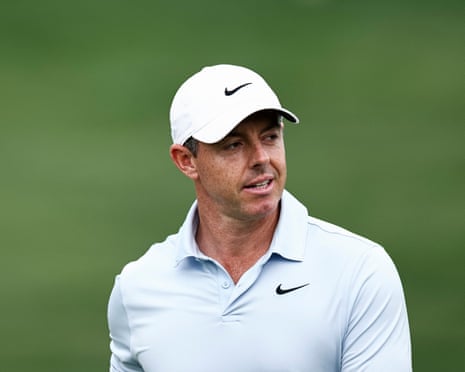
Rory McIlroy, currently ranked World No. 2, has made a significant shift in his stance regarding LIV Golf players potentially returning to the PGA Tour. In recent comments, the Northern Irish golfer indicated he is no longer opposed to welcoming defectors back into the fold, marking a considerable evolution from his previous hardline position on the controversial Saudi-backed league's participants.
During a Friday press conference, McIlroy addressed the ongoing tension between the rival golf circuits with refreshing candor. "It's a question of if they do want to come back," he stated, shifting the burden of decision-making squarely onto the shoulders of LIV Golf players themselves. This comment reflects a more pragmatic approach to golf's fractured landscape, suggesting that readmission to the PGA Tour may be less about eligibility and more about genuine desire.
The world's second-ranked player emphasized that such decisions would likely hinge on the financial realities facing LIV Golf in the coming months. As Saudi Arabia's Public Investment Fund withdrew its backing from the upstart circuit, uncertainty surrounding the league's sustainability has become increasingly urgent. McIlroy's implication was clear: players may need to reassess their options based on whether LIV can continue offering competitive compensation packages.
McIlroy's evolution on this issue cannot be overstated. Just months earlier, he had been among the PGA Tour's most vocal defenders and critics of the LIV defection. His previous stance characterized the Saudi-funded league as a direct threat to professional golf's traditional structure and competitive integrity. However, circumstances have shifted dramatically, forcing stakeholders across the sport to reconsider their positions and long-term strategies.
The PGA Tour's future has become increasingly uncertain following the Saudi withdrawal from LIV Golf. The circuit faces significant financial and operational challenges as it attempts to stabilize its standing in a transformed competitive landscape. With major tournaments, player compensation, and television rights all in flux, the possibility of reintegration discussions has become less of a taboo subject and more of a practical necessity for the sport's survival.
Notably, Bryson DeChambeau, one of the most high-profile LIV defectors, has vigorously denied any claims that he has engaged in substantive discussions about returning to the PGA Tour. His categorical denials suggest that while McIlroy may be opening doors, not all LIV players are rushing to walk through them. This dynamic creates a complex situation where player allegiances and financial commitments remain binding despite the shifting landscape.
McIlroy's latest comments carry implicit criticism as well. By stating that if LIV players don't want to rejoin the PGA Tour "that says something about you," he was clearly questioning the commitment and priorities of those who might choose to remain with the Saudi league despite its uncertain future. This pointed observation suggests that career longevity, competitive prestige, and the traditional metrics of golf success remain important considerations in professional athletics.
The distinction McIlroy made between being "not against" readmission and actual willingness to return reflects the nuanced nature of golf's current civil war. His assertion that it's "just good business" to consider all options demonstrates the pragmatic thinking now permeating discussions at the highest levels of professional golf. Economics, not ideology, increasingly drives strategic decisions in the sport.
From a broader perspective, McIlroy's openness signals that the golf community may be moving toward reconciliation and consolidation. The initial bitterness and absolute positions that characterized the immediate aftermath of the LIV exodus are gradually giving way to more measured, business-oriented calculations. This shift suggests that wounded pride may eventually yield to practical solutions benefiting the sport as a whole.
The financial uncertainty facing LIV Golf cannot be understated. Without Saudi funding, the circuit must find alternative revenue sources or face fundamental restructuring. Tournament purses, player salaries, and operational budgets all depend on sustainable income streams. For players considering their long-term careers, these financial realities may eventually outweigh any contractual obligations or personal commitments to the LIV brand.
Meanwhile, the PGA Tour continues to grapple with its own financial and competitive challenges. The merger discussions and potential consolidation scenarios that dominated golf headlines in recent months have created an environment of flux and uncertainty. McIlroy's comments should be understood in this context—as part of broader negotiations and strategic repositioning happening behind closed doors across professional golf.
For LIV Golf players currently weighing their options, McIlroy's statement provides both opportunity and implicit warning. The window for returning to the PGA Tour may be open, but it may not remain so indefinitely. Decisions made in the coming months could have career-defining consequences for players caught between competing circuits and uncertain financial futures.
The path forward for professional golf remains unclear, but McIlroy's measured approach suggests a potential template for resolution. Rather than absolute positions and permanent divisions, the sport's leaders are increasingly acknowledging that pragmatism and flexibility may be necessary to restore competitive balance and player confidence. Whether LIV players ultimately choose to return to the PGA Tour will likely depend on circumstances evolving over the coming months, particularly regarding financial sustainability and competitive opportunities.
Source: The Guardian


