
Measles Outbreak Sparks Vaccination Surge in New Mexico

As measles spread across the region, New Mexico saw a 55% jump in MMR vaccinations, leading to a smaller outbreak compared to neighboring Texas.
When a measles outbreak erupted on the western edge of Texas in January 2025, the highly infectious virus soon spilled over into neighboring New Mexico and other states. This outbreak would become the largest the country had seen since 2000, when measles was declared eliminated from the US. In Texas, it was the largest outbreak recorded since 1992, while in New Mexico, it was the first measles outbreak the state had even seen since 1996.
However, the trajectory of the two states' measles cases diverged. Texas declared the outbreak within its borders over on August 18, with an end tally of 762 cases. In New Mexico, officials declared its outbreak, which began in February, over on September 26, with a total of just 99 cases.
According to a new study, one of the key differences was that in New Mexico, the rapid spread of the measles virus spurred a massive surge in measles vaccinations among children and adults. Overall, shots of the measles, mumps, and rubella (MMR) vaccine increased 55 percent statewide from January to September compared to the same period in 2024.
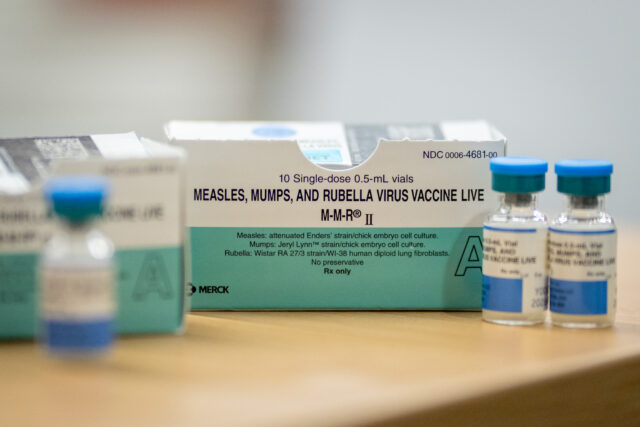
This rapid increase in vaccination rates helped to slow the spread of the outbreak and limit the total number of cases in New Mexico. In contrast, Texas saw a larger and more sustained outbreak, likely due to lower vaccination rates and slower adoption of preventive measures.
The New Mexico experience provides a glimmer of hope amid the challenges posed by measles outbreaks. When faced with a serious public health threat, communities can come together to protect themselves and their loved ones through increased vaccination and other public health interventions.

As the country continues to grapple with the ongoing measles crisis, the lessons learned from New Mexico's response could inform strategies in other states and regions. By prioritizing vaccination and public health education, communities can be better prepared to mitigate the impact of future outbreaks and safeguard the health and well-being of their residents.
Source: Ars Technica


