
Measles Resurgence: A Troubling Sign of What's to Come

Measles outbreaks have surged across the US, signaling a concerning trend that public health experts are closely monitoring. Explore the grim details and implications.
In the three decades between 1993 and 2024, measles in the US was relatively rare—a few hundred cases each year, at most. But suddenly, the disease has become so entrenched in American life that it sometimes fails to make headlines when a new outbreak erupts.
As of March 2026, measles has been continuously circulating around the US for more than a year, starting with an outbreak in Texas that lasted from January to August 2025. Before that outbreak was declared over, an outbreak on the Utah and Arizona border began in August and is ongoing. An outbreak in South Carolina began in September, drastically increased in January 2026, and continues.
Thirty states have had measles cases this year; 47 have seen cases since the start of 2025. Health officials across the US have confirmed 1,300 infections already this year as of March 6, putting the country on track to...
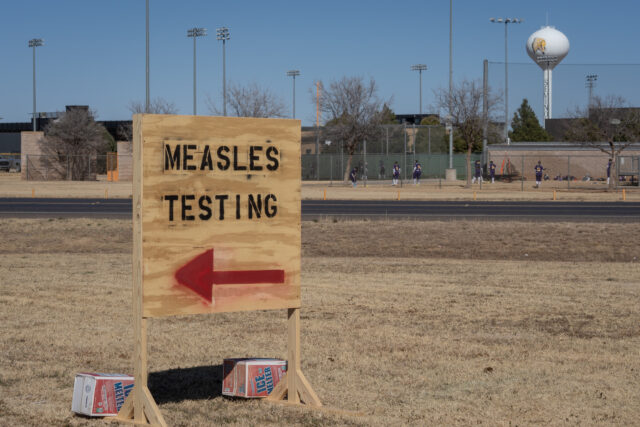
These outbreaks are a troubling sign of what's to come, according to public health experts who have dedicated their careers to studying pandemics. The resurgence of measles, a highly contagious disease that was once on the verge of being eliminated in the US, highlights the fragility of our public health systems and the urgent need to address the underlying factors driving these outbreaks.
Vaccination rates have declined, leaving communities vulnerable to the spread of measles and other vaccine-preventable diseases. This trend, combined with the ease of global travel and the spread of misinformation about vaccine safety, has created the perfect storm for these outbreaks to occur.
The implications of these outbreaks extend far beyond the immediate impact on affected communities. Measles is a canary in the coal mine, a harbinger of the types of public health challenges we may face in the coming years. As the world becomes more interconnected and the climate continues to change, the risk of novel and resurgent infectious diseases is only going to increase.
Public health experts warn that if we fail to address the underlying issues driving these outbreaks, we may find ourselves increasingly ill-prepared to respond to the next pandemic, whether it's a new disease or a familiar one like measles. The time to act is now, before the situation deteriorates further.

In the face of these challenges, public health officials, policymakers, and the general public must come together to strengthen our vaccination programs, improve disease surveillance, and invest in pandemic preparedness. Only by taking a comprehensive, coordinated approach can we hope to mitigate the risks posed by the resurgence of measles and other infectious diseases.
Source: Ars Technica


