
Men Challenge Toxic 'Looksmaxxing' Beauty Standard Trends

A new wave of male influencers and content creators are pushing back against looksmaxxing and restrictive male beauty standards dominating social media platforms.
A significant cultural shift is taking place across social media platforms as a growing cohort of men are actively challenging the proliferation of looksmaxxing trends and increasingly narrow definitions of male beauty. These critics argue that the obsessive focus on physical appearance optimization has created unrealistic expectations and harmful psychological impacts on young men seeking to establish their identities in an increasingly image-conscious digital landscape.
The movement against these restrictive masculinity standards represents a counterpoint to the dominant discourse found in certain online communities where male self-improvement has become synonymous with extreme physical transformation. These influencers and content creators are leveraging their platforms to promote alternative narratives that emphasize mental health, authenticity, and self-acceptance over the pursuit of unattainable physical ideals. Their message resonates with audiences tired of the constant pressure to conform to narrowly defined beauty benchmarks.
Social media platforms have become breeding grounds for content centered on maximizing physical attractiveness through extreme dieting, intensive workout regimens, cosmetic procedures, and grooming practices. The looksmaxxing community often promotes a particular body type, facial structure, and aesthetic that serves as a blueprint for male beauty, leaving those who don't naturally fit these parameters feeling inadequate and excluded. This phenomenon has gained particular traction among younger demographics who are still forming their self-image and sense of worth.

The backlash against these trends has manifested in various forms across different platforms. Some critics create content that directly addresses and deconstructs the logic behind looksmaxxing, while others focus on promoting body positivity and mental wellness within male-oriented communities. These alternative voices have begun to gain significant traction, suggesting that audiences are increasingly receptive to messages that challenge the status quo of male beauty standards perpetuated by mainstream influencer culture.
Mental health professionals have raised concerns about the psychological toll of these beauty-obsessed trends on young men. The constant comparison to idealized versions of masculinity can contribute to body dysmorphia, anxiety, depression, and diminished self-esteem. Experts emphasize that the pursuit of physical perfection often comes at the expense of developing meaningful relationships, pursuing passions, and cultivating a sense of purpose beyond appearance. These concerns underscore why the pushback against looksmaxxing is particularly important for youth mental health.
The men leading this counter-movement come from diverse backgrounds and include fitness enthusiasts, mental health advocates, therapists, and everyday social media users who have grown weary of the relentless focus on physical optimization. Their messaging centers on the idea that true masculinity encompasses emotional intelligence, kindness, authenticity, and the courage to reject societal pressures to conform. By amplifying these voices, social media platforms are beginning to create space for conversations that were previously marginalized or overshadowed by more commercially profitable beauty-focused content.
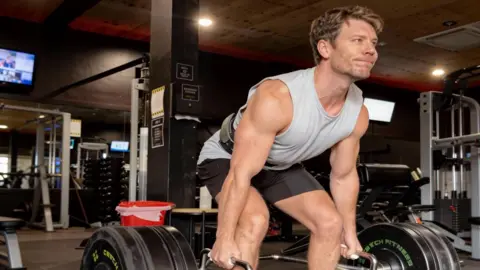
The economic dimensions of the looksmaxxing trend cannot be ignored, as numerous businesses profit from the insecurity and desire for physical transformation it generates. Supplement companies, cosmetic surgery clinics, fitness equipment manufacturers, and beauty product retailers have all benefited from the expansion of male-focused aesthetic markets. Critics argue that these industries have deliberately cultivated and amplified unrealistic beauty standards to drive consumption, creating a vicious cycle where dissatisfaction fuels purchasing behavior.
One of the most compelling aspects of this emerging counter-movement is its emphasis on redefining what masculine success looks like in contemporary society. Rather than measuring manhood through physical metrics, these critics propose frameworks that prioritize financial independence, emotional maturity, intellectual growth, and positive social contribution. This paradigm shift represents a fundamental challenge to the commercialized version of masculinity that has dominated digital spaces and influenced consumer behavior.
The generational dimension of this debate is particularly significant, as Gen Z men appear to be more receptive to critiques of traditional masculine ideals than their predecessors. Growing up with greater exposure to diverse perspectives and mental health discourse, younger men are increasingly willing to question and reject standards that previous generations accepted without question. This shift suggests that the future of male identity discussions may be less focused on physical appearance and more centered on holistic well-being.
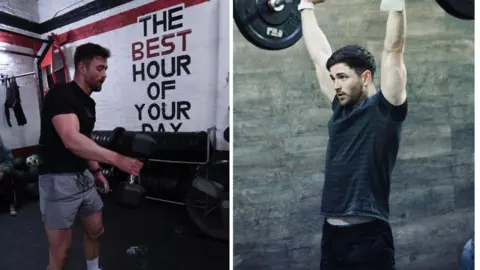
The role of platform algorithms in amplifying or suppressing certain messages about masculinity warrants critical examination. Social media companies have been criticized for their tendency to promote engaging, often controversial content regardless of its psychological impact on vulnerable users. As awareness of these dynamics grows, there's increasing pressure on platforms to implement policies that protect users from harmful beauty standards while still allowing for diverse perspectives on identity and self-image.
Celebrity and influencer participation in this counter-movement has amplified its reach and credibility. Prominent figures who have publicly rejected pressures to conform to looksmaxxing standards and instead promote healthy masculinity narratives have garnered significant followings and positive reception. Their visibility sends powerful messages to millions of followers that alternative versions of male identity are not only acceptable but celebrated and valued.
The conversation around challenging male beauty standards extends beyond individual choice to systemic and cultural issues. Media representation, advertising campaigns, and entertainment industry practices all contribute to the perpetuation of narrow masculine ideals. Meaningful change requires coordinated efforts across multiple sectors to diversify representation and intentionally showcase the full spectrum of male identity and expression.
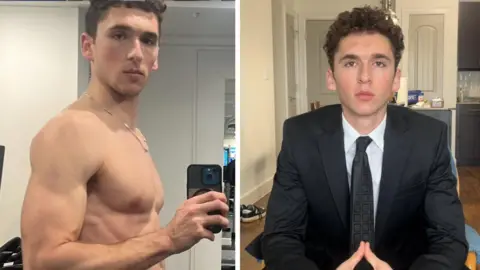
Looking forward, the momentum of this anti-looksmaxxing movement suggests that male identity discourse is undergoing a significant transformation. As more men feel empowered to question unrealistic beauty standards and seek out communities that validate their authentic selves, the cultural narrative around masculinity continues to evolve. The long-term implications of this shift could fundamentally reshape how men relate to their bodies, pursue self-improvement, and define success and fulfillment in their lives.
Source: BBC News


