
Menopause Linked to New Mental Illnesses: Majority Unaware

Poll finds three-quarters of UK women don't know menopause can trigger new mental health issues. Royal College of Psychiatrists calls for improved care.
A new poll has revealed a startling lack of awareness around the mental health impacts of menopause, with three-quarters of UK women unaware that the transition can trigger new mental illnesses. The Royal College of Psychiatrists has now launched its first targeted position statement to raise awareness about the connection between menopause and mental health.
The survey found that 74% of women did not know menopause could lead to the development of new mental health conditions. This oversight is significant, as the physical and hormonal changes of menopause are closely linked to an increased risk of depression, anxiety, and other mental health issues.
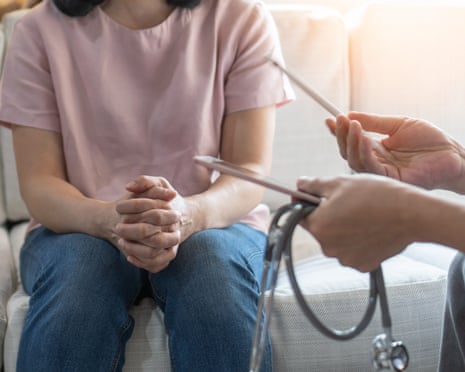
According to the Royal College of Psychiatrists, the impact of menopause on mental health is often overlooked and underestimated. Many healthcare providers fail to adequately address the psychological dimensions of this major life transition, leaving women ill-prepared and unsupported.
"Menopause can have a profound impact on a woman's mental health, yet this is often not recognized or treated appropriately," said Dr. Trudi Seneviratne, chair of the College's Women and Mental Health Special Interest Group. "It's crucial that we improve awareness and ensure women receive the support they need during this significant phase of their lives.

The College's new position statement calls for a range of measures to address this gap, including better training for healthcare professionals, more research into the mental health impacts of menopause, and the development of comprehensive treatment pathways. Improved access to talking therapies and hormone replacement therapy are also highlighted as key priorities.
"Menopause is a natural life stage, but one that can have profound effects on a woman's mental wellbeing," added Dr. Seneviratne. "By raising awareness and improving the support available, we can help ensure women get the care they need to navigate this transition successfully.
Source: The Guardian


