
Mental Health System 'Broken,' Says Killer's Mother

Mother of Nottingham triple-killer testifies at inquiry, revealing systemic failures in mental health care that preceded the 2023 attacks.
Celeste Calocane has broken her silence for the first time during a formal inquiry into the devastating 2023 Nottingham attacks, delivering a scathing indictment of the nation's mental health system. Speaking candidly about her son's violent rampage, she expressed profound frustration with how the healthcare system had failed to intervene effectively, stating that the entire infrastructure is fundamentally broken. Her testimony provides crucial insight into the warning signs that preceded one of the most tragic incidents in recent British crime history.
The inquiry centers on Valdo Calocane, who carried out a series of brutal attacks in Nottingham on June 13, 2023, that shocked the community and raised serious questions about mental health provision and crisis intervention. Valdo, diagnosed with paranoid schizophrenia, killed three innocent victims: Barnaby Webber and Grace O'Malley-Kumar, both 19-year-old university students, and Ian Coates, a 65-year-old caretaker who worked at a local college. Beyond these fatalities, he attempted to kill three other individuals, leaving a trail of trauma and devastation across the city.
In January 2024, Valdo Calocane received a suspended hospital order rather than a traditional prison sentence, a controversial decision that reflected his mental health status at the time of the offences. However, the sentencing raised important questions about whether the healthcare system had adequate opportunities to prevent the tragedy. Celeste Calocane's testimony during the inquiry suggests that multiple systemic failures had contributed to the situation reaching such a critical point.
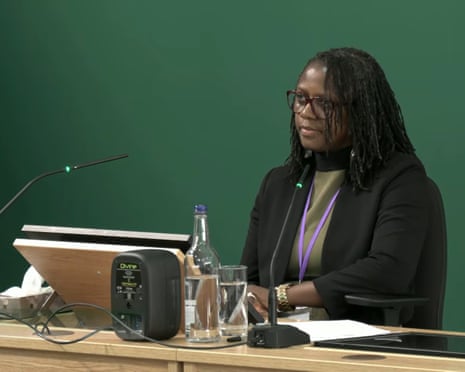
According to Celeste's powerful statement, the mental health system operates with such dysfunction that families and individuals in crisis feel entirely abandoned. She emphasized that mental health support remains inaccessible until a situation becomes so severe that it constitutes an immediate emergency, at which point the system finally mobilizes resources. This catch-22 scenario means that preventative interventions often fail to materialize, leaving vulnerable individuals without adequate support during critical periods when intervention could prove most effective.
Her testimony underscores a widely recognized problem within the British mental health crisis response infrastructure: the absence of effective early intervention mechanisms. When families reach out for help during the early stages of a mental health episode, they frequently encounter barriers including long waiting lists, insufficient resources, and bureaucratic obstacles. By the time someone receives comprehensive care, their condition may have deteriorated significantly, or in tragic cases like this one, violence may have already occurred.
The inquiry into the Nottingham attacks has become a focal point for examining how mental health services coordination functions across different agencies. Questions have emerged about whether social services, healthcare providers, law enforcement, and educational institutions shared relevant information about Valdo Calocane's deteriorating mental state. The case highlights the critical importance of integrated communication systems that allow different organizations to work together when warning signs appear.
Celeste Calocane's participation in the inquiry represents a significant development, as she has largely remained out of the public eye since her son's conviction. Her willingness to testify and address systemic failures suggests a desire to contribute constructively to understanding how similar tragedies might be prevented in the future. For many observers, a parent's voice carries particular weight in discussions about mental health system failures, as they often have intimate knowledge of warning signs and failed intervention attempts.
The mental health advocacy community has long warned about the fragmentation and underfunding that characterizes Britain's mental health system. Celeste's testimony aligns with countless reports from mental health organizations, patient advocates, and healthcare professionals who have documented chronic resource shortages and inadequate support pathways. The Nottingham tragedy has crystallized these abstract concerns into a devastating human story that demands systemic change and improved accountability.
Experts have noted that schizophrenia treatment and management requires consistent, accessible mental health services that can monitor patients and adjust interventions as needed. When these services are inaccessible or fragmented, individuals with serious mental illnesses may deteriorate without proper oversight. The case of Valdo Calocane suggests that despite his diagnosis and known psychiatric history, the system failed to maintain adequate monitoring or intervention capacity.
The inquiry's findings will likely influence policy discussions surrounding mental health system reform and resource allocation within the NHS. Policymakers and healthcare administrators have come under pressure to explain why early warning systems did not prevent the tragedy. Critics argue that the current system remains reactive rather than proactive, waiting for crises to occur rather than building capacity for early identification and intervention among at-risk populations.
Celeste Calocane's statement that


