
Mercenary Network Exposed in Sudan Conflict

Phone tracking reveals Colombian mercenaries supporting Sudan's RSF, with extensive UAE involvement uncovered by Conflict Insights Group research.
A comprehensive investigation by the Conflict Insights Group has exposed a complex network of Colombian mercenaries actively supporting the Rapid Support Forces (RSF) in Sudan's ongoing civil conflict. Through advanced phone tracking technology and data analysis, researchers have documented evidence of direct military involvement by foreign fighters in the East African nation's devastating war. The findings shed light on the internationalization of Sudan's internal conflict, revealing how external actors have become deeply embedded in the fighting.
The CIG's research methodology involved analyzing telecommunications data and cross-referencing mobile phone movements with known military operations conducted by the RSF across Sudan. Investigators traced the movements of individuals with Colombian nationality and backgrounds in private military contracting to specific locations where RSF forces were engaged in combat operations. This phone tracking data provides unprecedented visibility into how foreign military personnel have been integrated into the RSF's operational structure, challenging the narrative that the conflict remains primarily a domestic power struggle.
The presence of Colombian mercenaries in Sudan represents a significant escalation in foreign military involvement. Colombia has become a major source of trained military personnel for private military companies operating in conflict zones globally. These individuals bring extensive combat experience from decades of counterinsurgency operations in Colombia, making them valuable assets for armed groups seeking professional military expertise. The deployment of such personnel suggests that the RSF has secured significant financial resources to attract and deploy international military contractors.
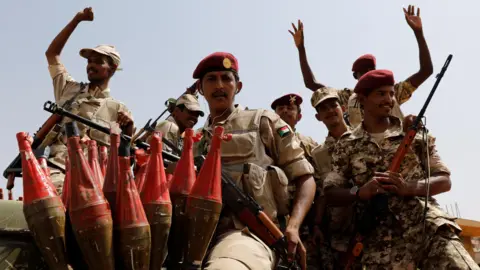
Beyond the Colombian mercenary presence, the CIG investigation reveals the extent of UAE involvement in supporting the RSF. The United Arab Emirates has emerged as a key external actor providing both financial backing and logistical support to the rebel group. This involvement extends beyond simple arms transfers, encompassing strategic military assistance and intelligence sharing that has proven crucial to the RSF's operational capabilities. The UAE's support has reportedly enhanced the RSF's ability to conduct coordinated military campaigns across Sudan's vast territory.
The research demonstrates how the UAE has leveraged its geographic proximity and regional influence to establish a substantial presence in Sudan's conflict. Intelligence analysts have documented financial transfers, weapons smuggling routes, and command-and-control relationships that illustrate the depth of Emirati involvement. The CIG's findings suggest that without this external support infrastructure, the RSF would face considerably greater constraints on its operational capacity and territorial reach. This foreign military support has fundamentally altered the conflict's dynamics since the fighting erupted in April 2023.
The implications of documented international mercenary involvement extend beyond Sudan's borders, raising concerns about regional destabilization and the proliferation of private military contractors in African conflicts. The presence of Colombian fighters signals how global networks of military professionals circulate between conflict zones, bringing tactics and expertise that intensify violence. International observers worry that the normalization of mercenary participation in African conflicts could undermine sovereignty and complicate peace-building efforts across the continent.
The Conflict Insights Group's investigation utilized advanced telecommunications analysis to track individual movements across Sudan during critical periods of fighting. By correlating phone signal data with known RSF military operations, researchers established temporal and geographic connections between specific foreign fighters and combat activities. This methodology provides forensic-level evidence of direct participation in hostilities, distinguishing this research from previous reports that relied primarily on testimonial accounts or financial analysis. The technical sophistication of the investigation strengthens the credibility of the findings regarding external intervention.
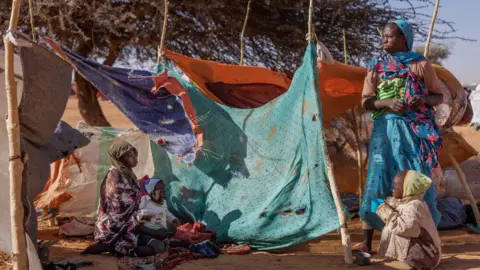
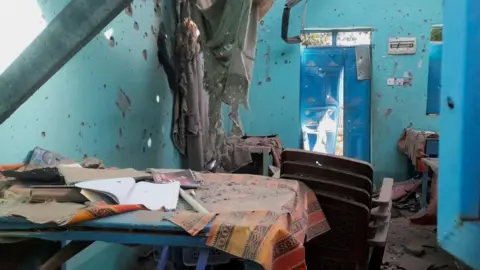
The research comes as Sudan faces humanitarian catastrophe, with millions displaced and the health system collapsing across much of the country. The involvement of international mercenaries and state-level support for armed groups complicates humanitarian access and prolongs the conflict's trajectory. International organizations have increasingly expressed concern that external actors prolong internal conflicts for strategic or economic interests, preventing resolution and perpetuating civilian suffering. The CIG's documentation of these relationships provides concrete evidence for diplomatic pressure and potential sanctions against supporting states and actors.
The findings also raise questions about the recruitment networks and financial flows that enable Colombian mercenaries to reach Sudan. Private military companies, often registered in permissive jurisdictions, serve as intermediaries connecting available fighters with armed groups seeking military expertise. These networks typically operate with minimal transparency, making it difficult for governments to monitor or control the movement of private military personnel. The existence of established pipelines connecting Latin American fighters to African conflict zones suggests systematic infrastructure rather than isolated incidents of individual recruitment.
The CIG investigation also documents how RSF military operations have become more sophisticated and coordinated following the arrival of foreign military advisors and contractors. Tactical innovations in the rebel group's approach to conventional warfare suggest professional military input in operational planning. The RSF's ability to conduct mobile warfare across Sudan's vast geography and maintain supply lines has improved markedly, with evidence suggesting foreign military personnel contributed to these enhancements. This represents a qualitative shift in the conflict, moving from primarily militia-based fighting toward more professionalized military operations.
The international community faces difficult questions about how to address foreign mercenary participation in African conflicts without violating national sovereignty or inadvertently strengthening other problematic actors. Some nations have called for international protocols restricting private military company operations, while others argue that existing frameworks prove inadequate to address modern conflict dynamics. The Sudan situation exemplifies how traditional legal frameworks struggle to address the realities of contemporary warfare, where non-state actors, private contractors, and state proxies blur traditional distinctions between civilian and military actors.
The CIG's research contributes to growing documentation of how regional powers compete for influence through Sudan's conflict. The struggle between the RSF and the Sudanese Armed Forces represents more than an internal power dispute; it reflects broader regional competition involving neighboring countries and distant powers with strategic interests. Understanding these external dimensions proves essential for any diplomatic efforts aimed at achieving durable peace in Sudan. Without addressing the motivations and capabilities of external supporters, ceasefire agreements and peace negotiations face substantial obstacles to implementation and sustainability.

The investigation underscores the necessity for enhanced international monitoring and enforcement mechanisms targeting mercenary operations in Africa. The ease with which foreign fighters can enter conflict zones, establish operational roles, and coordinate with armed groups suggests significant gaps in international oversight. Closing these gaps requires cooperation between multiple states, intelligence agencies, and international organizations committed to reducing external intervention in internal conflicts. Without such cooperation, mercenary networks will likely continue to expand, bringing professional military capabilities and international resources to African conflicts.
As Sudan's humanitarian crisis deepens, the international community must grapple with how external military support perpetuates conflict and prevents resolution. The CIG's documentation of Colombian mercenaries and UAE backing provides concrete evidence that can inform diplomatic initiatives and potential sanctions against supporting actors. Addressing these dimensions of Sudan's conflict represents an essential component of broader efforts to achieve sustainable peace and prevent further regional destabilization. The research demonstrates that understanding and disrupting external support networks remains crucial to any strategy aimed at ending one of Africa's most severe contemporary humanitarian emergencies.
Source: BBC News


