
Merz Commits to Trump Partnership Despite Iran Tensions

German Chancellor Friedrich Merz pledges continued collaboration with US President Trump despite disagreements over Iran conflict strategy and diplomatic friction.
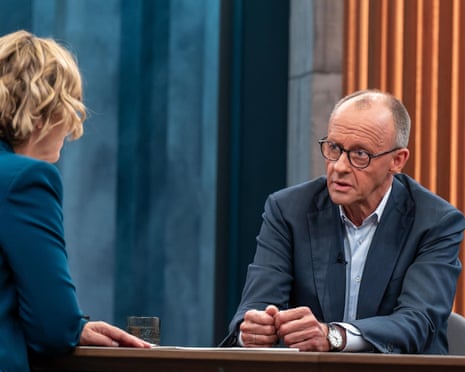
German Chancellor Friedrich Merz has reaffirmed his commitment to maintaining a strong working relationship with United States President Donald Trump, even as tensions simmer between the two leaders over their divergent approaches to the Iran conflict. In a forthcoming television interview with public broadcaster ARD, Merz chose to emphasize diplomatic continuity and partnership rather than escalate the recent disagreements that have surfaced between Washington and Berlin.
The chancellor's measured response comes at a critical juncture in transatlantic relations, where the two NATO allies have found themselves at odds over military strategy and international policy decisions. Despite facing public criticism from Trump and concerns about American military commitments in the region, Merz has signaled that Germany remains focused on strengthening ties with the United States rather than allowing temporary friction to derail decades of alliance-building.
During the ARD interview scheduled to broadcast on Sunday evening, Merz made his position explicitly clear: "I am not giving up on working on the transatlantic relationship," he stated with evident determination. "Nor am I giving up on working with Donald Trump." These remarks underscore a deliberate strategy by the German government to weather the current storm and maintain the institutional framework that has defined European-American cooperation since the post-World War II era.
The dispute between the two leaders centers on strategic disagreements regarding military intervention in Iran and the broader Middle East policy framework. Trump has previously leveled sharp criticism at various European leaders, and his comments regarding the Iran situation have reportedly drawn concern from German officials who worry about the implications of aggressive military posturing in an already volatile region. The German government, like many European nations, has advocated for diplomatic solutions and multilateral approaches to regional conflicts.
Merz's diplomatic overture reflects a broader German approach of pragmatic engagement with the Trump administration, recognizing that regardless of personality clashes or policy disagreements, the bilateral relationship between Germany and the United States remains fundamental to European security. Germany, as the economic powerhouse of Europe and a key NATO member, plays a crucial role in maintaining Western unity and cohesion in the face of emerging global challenges.
The chancellor's comments also suggest an attempt to separate personal tensions from institutional relationships, a distinction that has become increasingly important during the Trump presidency. By publicly committing to continued collaboration, Merz is signaling to both domestic and international audiences that Germany will not allow temporary diplomatic friction to destabilize the broader alliance structure that has served European and American interests for generations.
This stance by Merz demonstrates the complex balancing act required of European leaders in managing their relationships with the Trump administration. They must simultaneously address their own security concerns, maintain domestic political credibility, and ensure that their nations remain valued partners in the American-led international order. The German chancellor's determination to "not give up" on working with Trump reflects an understanding that cooperation, even amid disagreement, serves Europe's long-term strategic interests.
The broader context for these tensions includes ongoing debates about NATO defense spending, military contributions to regional security operations, and the appropriate level of diplomatic engagement with hostile regimes. Germany and the United States have historically held somewhat different perspectives on these issues, with the German approach often emphasizing dialogue and the American approach sometimes favoring more assertive military options. These philosophical differences have periodically strained the relationship, though they have rarely threatened its fundamental foundation.
Merz's public commitment to continued partnership with Trump also carries implications for German domestic politics. By expressing his willingness to work with the American president despite their disagreements, the chancellor is positioning himself as a pragmatic, serious statesman capable of navigating difficult international relationships. This approach appeals to both business-oriented voters and those concerned about Germany's security in an increasingly unstable world.
The interview comes at a time when European-American relations face multiple pressures from trade disputes, disagreements over military spending, and differing strategic visions for addressing global challenges. Nevertheless, Merz's remarks suggest that despite these pressures, Germany remains committed to making the alliance work. This commitment is not born of weakness or a lack of alternatives, but rather from a clear-eyed assessment that German interests are best served through continued engagement with the United States within the framework of the Western alliance.
Going forward, observers will watch closely to see whether Merz's diplomatic efforts succeed in warming relations with Trump or whether the personal and policy tensions between the leaders will continue to complicate bilateral negotiations. What remains clear, however, is that the German government intends to remain at the table, pursuing dialogue, and working to find common ground wherever possible. This approach reflects the institutional maturity of the German political system and its recognition that maintaining the transatlantic bond, despite periodic friction, serves the long-term security and prosperity of both nations and Europe as a whole.
Source: The Guardian


