
Merz Defies Trump: Europe's Historic Break Explained

Friedrich Merz risks Trump's retaliation to push European independence from US security. Discover what this unprecedented rift means for NATO and Germany's future.
The escalating confrontation between German Chancellor Friedrich Merz and US President Donald Trump over Iran policy represents far more than a diplomatic disagreement—it signals a fundamental recalibration of transatlantic relations with profound implications for European security and sovereignty. What initially emerged as a rhetorical skirmish between the two leaders has rapidly crystallized into a significant strategic rupture between Germany and the United States, one that observers and policymakers across Europe are watching with intense scrutiny and deep concern.
The significance of this deteriorating relationship cannot be understated in its scope or historical magnitude. For Germany, this US-Germany tensions arrive at an especially delicate moment domestically, as Chancellor Merz's coalition government already faces considerable internal pressures and challenges. The timing compounds existing political difficulties, creating a perfect storm of simultaneous domestic instability and international friction. This rupture overshadows what should have been a celebratory moment for Merz—the first anniversary of his ascension to the chancellorship, a milestone that now carries heavy shadows of geopolitical consequence.
Beyond the immediate political theater, this confrontation exposes the fundamental weakness in Merz's initial diplomatic strategy of attempting to serve as Europe's informal mediator with Trump—a role he clearly hoped would allow him to manage the unpredictable American president while protecting German and European interests. The harsh reality is that such a balancing act has proven impossible, forcing a recalibration of both Merz's approach and Germany's broader strategic posture. This public dispute definitively demonstrates the limitations of individual European leaders attempting to negotiate with Trump through personal relationship-building alone.
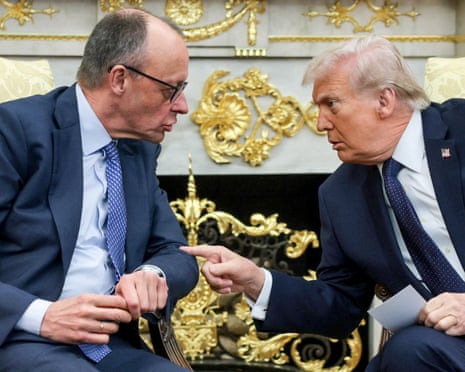
The rupture also carries profound implications for NATO credibility and the alliance's fundamental operating assumptions. When a major European ally openly clashes with the American president over strategic matters, it raises urgent questions about NATO's cohesion, decision-making processes, and the reliability of mutual defense commitments. The alliance has always operated on the understanding that member states would work through disagreements within established channels, presenting a united front to the world. This public confrontation challenges that framework and exposes the alliance's vulnerability to transatlantic tensions.
Merz's decision to openly challenge Trump, despite knowing full well the potential for retaliatory measures against Germany and NATO, reveals a deeper calculation about Europe's long-term strategic interests. The German chancellor appears to have determined that the cost of capitulating to Trump's demands would ultimately be higher than the cost of enduring his retaliation. This represents a significant shift in German foreign policy philosophy, one that prioritizes European autonomy and strategic independence over maintaining favor with Washington.
Paradoxically, this very dispute advances the ambitious strategic objective that Merz articulated on election night—the push toward greater European independence from US security dependence. By standing firm against Trump's pressure, even as economic and military costs loom, Merz is effectively demonstrating to other European nations that breaking free from exclusive reliance on American security guarantees is both necessary and achievable. This messaging carries particular weight given Germany's historical role in European security arrangements and its significant economic and military capabilities.

The Iran policy disagreement that sparked this confrontation touches on fundamental questions about how the West should engage with regional powers and manage nuclear proliferation risks. Trump's aggressive stance on Iran stands in stark contrast to the more measured, multilateral approach that Germany and much of Europe prefer. Merz's willingness to articulate this alternative vision, rather than simply deferring to American leadership, suggests a new German confidence in proposing its own strategic analyses and policy preferences on major international questions.
The threatened retaliation from Trump administration will indeed be economically and diplomatically painful for Germany. Potential tariffs on German exports, particularly automobiles and manufactured goods, could significantly impact an already fragile German economy. Additionally, reduced American security commitments to NATO or diminished intelligence sharing could create real vulnerabilities for German defense planning. These are not abstract concerns—they represent concrete consequences that Merz and his government have clearly decided are worth accepting to advance the cause of European strategic independence.
This moment also reflects broader shifts in the international system that have been building for years. American military resources are increasingly stretched across multiple theaters, from the Pacific to the Middle East. American political consensus around traditional alliance commitments has fractured, with rising questions about whether NATO members adequately contribute to their own defense. The election of Trump, despite his previous tenure as president, signals that a significant portion of the American electorate questions the value of extensive overseas security commitments. These structural realities provide context for why European leaders are moving toward strategic autonomy sooner rather than later.
For European security policy, this confrontation creates both challenges and opportunities. The short-term challenge is managing an increasingly unpredictable American president while maintaining European unity in the face of external pressures. The longer-term opportunity is using this moment to accelerate the development of genuinely independent European defense capabilities, intelligence systems, and diplomatic structures. Several European nations have already begun investing significantly in military modernization and defense cooperation outside traditional NATO frameworks.
Merz's political position in Germany, despite the immediate complications, may actually be strengthened by this stance. German public opinion has shifted significantly on the question of European strategic independence over the past several years. Younger generations of German voters, in particular, are less bound by Cold War memories of American protection and more concerned about American reliability and values alignment. By taking on Trump directly, Merz aligns himself with this emerging consensus and positions his conservative party as genuinely concerned with German national interests rather than simply deferring to traditional alliance patterns.
The dispute also illustrates the degree to which Trump's foreign policy approach differs fundamentally from traditional American internationalism. Rather than treating alliances as assets to be cultivated and strengthened, Trump views them through a transactional lens—allies must constantly justify their value through payments, military contributions, and political compliance. This transactional approach leaves little room for the kind of negotiation and mutual accommodation that characterized Cold War alliance management and post-Cold War American leadership.
Moving forward, this rupture will likely accelerate several ongoing European initiatives around European defense integration and military autonomy. The European Union has been gradually developing its own defense capabilities and procurement systems, separate from NATO structures. Germany, as Europe's largest economy and most significant military power, will play a central role in leading this effort. Investment in European defense technology, expansion of European defense industries, and deeper military cooperation among EU member states will likely receive renewed attention and resources following this confrontation.
The long-term implications of this moment extend beyond bilateral German-American relations or even NATO mechanics. This confrontation signals that the post-Cold War international system—one based on American military predominance and European reliance on American security guarantees—is definitively ending. What emerges in its place remains uncertain, but it will necessarily involve a more independent, more militarily capable Europe and a recalibration of transatlantic relations based on genuine partnership between more equal powers rather than hierarchical dependence. Merz's willingness to endure Trump's wrath, despite the immediate costs, may ultimately prove to be a crucial catalyst in this historic transition.
Source: The Guardian


