
Met Museum's Bold Fashion Move Elevates Costume Art

The Metropolitan Museum's new Costume Institute exhibition puts fashion in the spotlight alongside Egyptian artifacts, featuring couture paired with diverse body representations.
The Metropolitan Museum of Art has made a transformative decision that signals a significant shift in how the institution values fashion and costume art. The opening of the Costume Institute's spring exhibition marks a pivotal moment in the museum's history, with fashion exhibition now occupying prime real estate within one of the world's most prestigious cultural institutions. This strategic repositioning reflects a growing recognition that costume design and fashion history deserve the same scholarly and curatorial attention previously reserved for ancient artifacts and fine art.
Anna Wintour, the iconic editor-in-chief of Vogue and a driving force behind the Costume Institute's mission, spoke emotionally at the exhibition's opening in New York. She described the first Monday in May—traditionally celebrated as the day of the Met Gala—as her "favourite day of the year, and also my most terrifying one." Her words capture the intensity and significance of this annual event, which has evolved from an exclusive fashion showcase into a cultural phenomenon that influences design conversations worldwide. For Wintour, the stakes are particularly high this year as the institute enters a new chapter.
The current exhibition season arrives amid considerable controversy surrounding the Met Gala itself. The event's sponsorship by Jeff Bezos and Lauren Sánchez Bezos has generated widespread debate within fashion and cultural circles, with critics questioning the implications of major tech industry figures dominating high-profile sponsorships of artistic institutions. This sponsorship tension adds an additional layer of complexity to what should be a celebratory moment for the fashion community. The conversation highlights ongoing tensions between corporate influence, artistic independence, and the commodification of culture within elite institutions.

The most revolutionary aspect of this exhibition season, however, is the physical transformation of the Costume Institute's exhibition space. The institute has relocated to a brand-new, purpose-built venue that spans an impressive 12,000 square feet. This newly designed space, officially named the Condé Nast Galleries, represents a monumental shift in the museum's spatial hierarchy and curatorial priorities. Previously, fashion exhibitions at the Met occupied secondary or peripheral locations within the sprawling institution. Now, the costume galleries command a position of prominence that places them in immediate view of visitors entering through the Great Hall—the museum's most trafficked and symbolically significant entrance point.
This architectural and institutional decision carries profound implications for how fashion and costume are perceived within the broader context of art history and cultural preservation. By positioning costume art at the threshold between the museum's entrance and its interior galleries, curators are making a statement about fashion's relevance and importance. Visitors can no longer overlook or deprioritize textile arts and clothing design; instead, they encounter these disciplines as fundamental to understanding human culture and artistic expression. The Condé Nast Galleries serve as a powerful declaration that fashion history is museum-worthy, archive-worthy, and deserving of the same intellectual rigor applied to paintings, sculptures, and ancient civilizations.
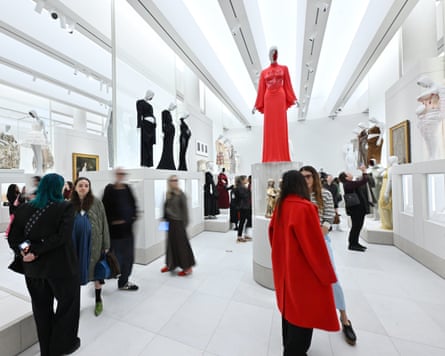
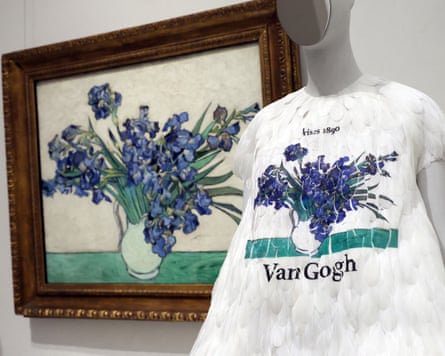
The exhibition itself embraces an innovative curatorial approach that challenges traditional hierarchies within art institutions. By pairing couture pieces with items from the museum's broader collection—including Egyptian artifacts and other historical objects—the curators create unexpected dialogues between disciplines. This methodology encourages visitors to consider how fashion, like ancient textiles and ceremonial garments, functions as a window into human culture, social structures, and aesthetic values across time periods. The juxtaposition of contemporary designer pieces with ancient artifacts validates costume and fashion design as serious intellectual and artistic pursuits worthy of museum presentation.
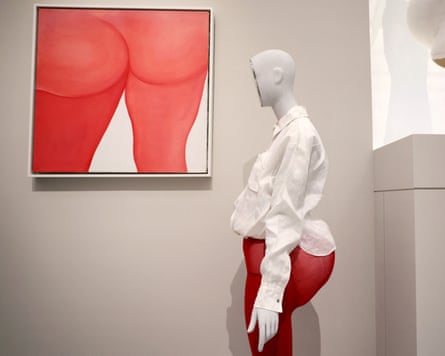
Another significant aspect of the exhibition is its explicit engagement with diverse body representation. The curatorial team has intentionally selected and displayed fashion pieces that celebrate the diversity of human forms, challenging the fashion industry's historically narrow beauty standards. By showcasing garments designed for and worn by people of varying body types, ages, abilities, and presentations, the exhibition acknowledges that costume design serves all human bodies, not merely the idealized forms traditionally featured in fashion magazines and runway shows. This inclusive approach reflects contemporary conversations about accessibility, representation, and the responsibility of cultural institutions to challenge discriminatory norms.
The timing of this exhibition and the renovation of its dedicated space coincides with broader transformations occurring within major museums worldwide. Cultural institutions are increasingly recognizing that fashion and textile arts have been historically undervalued and under-resourced compared to traditional fine arts. By investing in dedicated, premium gallery space for costume and fashion exhibitions, the Met joins other institutions in elevating these disciplines and attracting new audiences who may not typically visit art museums. The Condé Nast Galleries represent not just a physical space, but a philosophical commitment to redefining what constitutes worthy subjects for serious curatorial attention.
The exhibition also arrives during a moment of renewed interest in fashion history, sustainability, and the environmental impact of clothing production. Museums have become increasingly important venues for educating the public about these topics. By displaying historical garments alongside contemporary pieces, the exhibition can illuminate how fashion has evolved, how certain design principles endure across decades, and how understanding costume history informs contemporary conversations about sustainable and ethical fashion production. The scholarly apparatus surrounding the exhibition—including detailed labels, video content, and educational programming—transforms the galleries into spaces for critical engagement rather than mere visual spectacle.
For Anna Wintour and the Costume Institute team, this exhibition represents the culmination of years of advocacy for fashion's place within cultural institutions. The decision to provide fashion exhibitions with premiere gallery space, prominent placement, and significant curatorial resources validates decades of effort to establish costume and fashion design as worthy subjects for academic study and museum presentation. The exhibition serves as both celebration and statement: a recognition of what has been achieved, and a declaration that much more work remains to fully integrate fashion history and design into the canon of serious cultural discourse.
The Met Museum's commitment to this new vision extends beyond the spring exhibition season. The Condé Nast Galleries will serve as the permanent home for the Costume Institute's exhibitions, meaning that fashion will maintain its prominent position within the museum's galleries for years to come. This permanence signals that the institution's investment in fashion is not a temporary trend or marketing gesture, but a fundamental reorientation of values and priorities. Future exhibitions will benefit from this dedicated space, allowing the Costume Institute to develop increasingly ambitious programming that reaches broader audiences and establishes new standards for how fashion history is presented and discussed within museum settings.
Source: The Guardian


