
Met Police Warn Organisers Over Hate Speech at Dual Marches

Metropolitan Police warn organisers of Unite the Kingdom and Palestine marches will be held accountable for hate speech. Expect record policing presence.
The Metropolitan Police have issued a stern warning ahead of what is anticipated to be one of the most significant policing operations London has witnessed in recent years. Both organisers and speakers at this weekend's major demonstrations will face strict accountability measures, with authorities prepared to enforce laws against unlawful hate speech at the events. The police statement underscores the serious nature of the weekend's anticipated activities, with senior officers preparing comprehensive security protocols for the demonstrations.
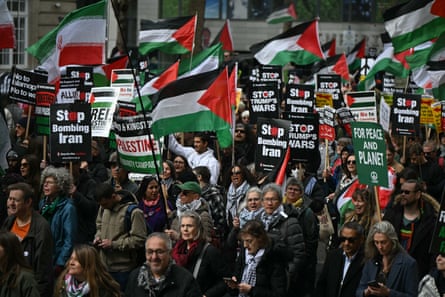
Two major marches are scheduled to take place simultaneously across London, creating unprecedented challenges for law enforcement. The Unite the Kingdom march will see tens of thousands of supporters converging on central London, while the Nakba: 78 March for Palestine is expected to proceed from south Kensington through to the heart of the capital. The convergence of these large-scale protests, combined with the FA Cup final taking place at Wembley on Saturday, has prompted the Metropolitan Police to mobilise resources at the highest level.
Senior Metropolitan Police officers have made clear their determination to maintain public order and safety throughout the demonstrations. Protesters attending either event should be prepared for intensive police control measures, with officers implementing what authorities have described as "the highest degree of control" to ensure the events remain peaceful and lawful. The police's emphasis on controlling the demonstrations reflects their commitment to preventing disorder while respecting citizens' rights to peaceful protest.
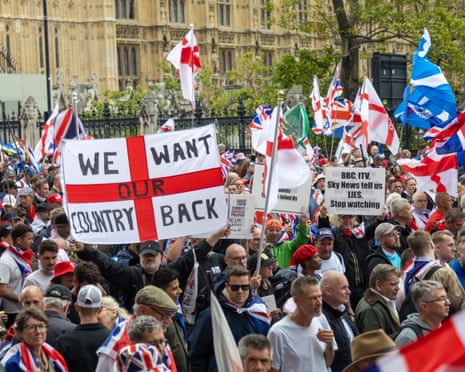
The responsibility placed on event organisers cannot be overstated in the context of this weekend's activities. The Metropolitan Police have explicitly stated that those organising the demonstrations will be held liable for any hate speech incidents that occur during the marches. This represents a significant shift in accountability, placing the burden on those coordinating the events to implement their own safeguarding measures and ensure participants adhere to legal requirements regarding respectful conduct.
Speakers and individuals addressing crowds at either demonstration have also been put on notice regarding their remarks. The police warning suggests that any inflammatory language or statements designed to incite hatred based on protected characteristics could result in criminal charges against the speakers themselves. This preventative approach aims to deter problematic speech before it occurs, rather than responding reactively to incidents.
The weekend's policing operation represents one of the most ambitious undertakings by the Metropolitan Police in recent memory. Beyond managing the dual marches, officers must also provide security for the FA Cup final at Wembley Stadium, dividing resources across multiple major events happening simultaneously. This coordination challenge has prompted the police to describe the weekend as potentially "one of the busiest days for policing in London in recent years," indicating the scale of the operation required.
The Unite the Kingdom march has attracted significant interest from supporters across the political spectrum, with expectations that tens of thousands will participate in the central London demonstration. The march represents a significant moment for those involved, and the police have indicated their preparedness to manage the substantial crowds expected. Organisers of this event have been placed under close scrutiny regarding their ability to ensure orderly conduct among participants.
Similarly, the Palestine march carries significant importance for its supporters, drawing individuals passionate about Middle Eastern political issues. The Nakba commemoration, marking the displacement of Palestinians, has historically attracted large, peaceful gatherings in London. The police's emphasis on responsible organisation applies equally to this demonstration, with authorities expecting event leaders to maintain standards of conduct and prevent any inflammatory rhetoric.
The Metropolitan Police's firm stance on hate speech enforcement reflects broader societal concerns about maintaining social cohesion while protecting freedom of expression. The balance between allowing legitimate protest and preventing harmful speech remains a central challenge for modern policing. By placing explicit responsibility on organisers and speakers, the police are attempting to create a framework where free expression can be exercised responsibly.
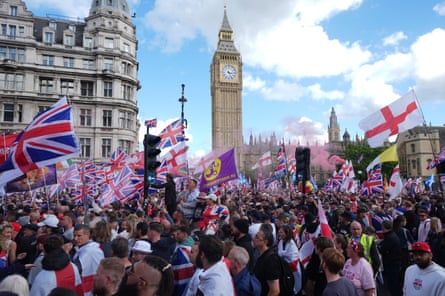
Participants planning to attend either march should be aware of the heightened police presence and security measures in place. While peaceful protest remains a fundamental right, individuals must ensure their conduct complies with relevant legislation. The police have made abundantly clear that unlawful behaviour, including hate speech, will not be tolerated and may result in criminal charges.
The Metropolitan Police have not provided specific details regarding the deployment numbers or exact locations of checkpoints, though officers will be positioned strategically throughout the demonstration routes. The coordination between various police units, including community policing teams and specialist units, will be essential to maintaining order while facilitating the exercise of democratic rights. This substantial operation demonstrates the significant resources required to manage large-scale public demonstrations in major cities.
Looking ahead to the weekend, both march organisers and participants should familiarise themselves with relevant laws regarding public order and protected speech. The police warning serves as a clear reminder that while protest is protected, individuals and organisations remain responsible for ensuring their actions comply with the law. The Metropolitan Police's transparent communication about enforcement priorities demonstrates their commitment to managing the events professionally and fairly.
As London prepares for what promises to be an exceptionally busy weekend, all stakeholders must work collaboratively to ensure events proceed safely and lawfully. The police, march organisers, participants, and wider community all have roles to play in maintaining the capital's reputation as a place where diverse views can be expressed while maintaining public order and safety.
Source: The Guardian


