
Meta Smart Glasses Get Third-Party App Support

Meta's $800 Ray-Ban smart glasses are expanding functionality with third-party apps and games, making the wearable device significantly more versatile.
Meta is making a significant strategic move to enhance the utility of its Ray-Ban smart glasses, which carry a premium $800 price tag. The company has announced plans to bring third-party applications and games to its display glasses, potentially transforming the device from a limited-use wearable into a comprehensive computing platform. This expansion represents a crucial step in making the investment more appealing to mainstream consumers who have questioned whether the current feature set justifies the high cost.
The integration of third-party apps marks a turning point in Meta's wearable strategy. Currently, the Ray-Ban smart glasses primarily function as a camera device for capturing photos and videos, along with some basic AI-powered features. By opening the platform to developers, Meta is positioning its glasses to compete more directly with other wearable technology platforms and creating an ecosystem similar to what smartphones enjoy. This move could exponentially increase the practical applications available to users, from productivity tools to entertainment options.
The decision to support games on smart glasses is particularly noteworthy, as it demonstrates Meta's commitment to creating an engaging user experience beyond basic utility functions. Games designed for wearable displays could offer unique interaction models that take advantage of the hands-free, always-available nature of glasses-based computing. This gaming capability could appeal to early adopters and enthusiasts who are already invested in mixed reality and augmented reality experiences.
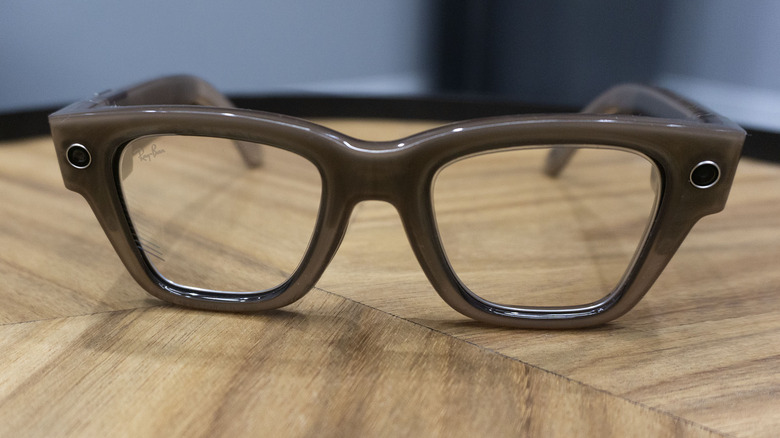
The $800 price point has been a significant barrier to mainstream adoption since the glasses' launch. While the device offers advanced features like high-quality cameras and voice control capabilities, many potential customers questioned whether the limited functionality justified the premium cost. By adding app ecosystem support, Meta addresses this fundamental concern and provides a clearer value proposition. Users will be able to customize their experience based on personal needs and preferences, much like they do with smartphones.
Meta's announcement comes at a time when the broader tech industry is investing heavily in wearable augmented reality devices. Competitors and other tech companies are exploring similar ecosystems for their own AR glasses and smart eyewear products. By expanding app support, Meta is attempting to establish itself as the leading platform for glasses-based computing and potentially set industry standards for how these devices should function.
The technical infrastructure required to support third-party developers is substantial. Meta will need to provide software development kits, establish app store distribution mechanisms, and create clear guidelines for application performance, privacy, and user experience. The company has experience building developer ecosystems through its work with VR headsets and the Oculus platform, which provides a foundation for success in this new venture.
Privacy considerations will be paramount as Meta opens its smart glasses platform to third-party developers. The glasses feature cameras and sensors that capture visual and audio information from the user's environment. Meta will need to implement robust security measures and clear privacy controls to ensure that third-party applications don't misuse sensitive data. User trust is essential for the widespread adoption of any wearable device with recording capabilities.
The timeline for rolling out third-party app support remains to be clarified by Meta. The company typically takes a phased approach to platform expansions, beginning with a limited beta period involving select developers and users. This approach allows Meta to refine the experience, address technical challenges, and gather feedback before a full public release. Early access to the new capabilities will likely begin with established developers and creators who have demonstrated expertise with Meta's existing platforms.
For developers, the opportunity to create applications for wearable AR glasses represents a new frontier. The form factor presents unique challenges and opportunities compared to smartphone or desktop app development. Developers will need to design interfaces that work effectively on a small screen, accommodate the hands-free usage model, and respect the contextual nature of eyewear-based computing. Meta will likely provide comprehensive documentation and developer resources to facilitate this learning curve.
The gaming vertical holds particular promise for the Ray-Ban smart glasses ecosystem. Augmented reality games that overlay digital content on the user's real-world view could offer immersive experiences that leverage the unique capabilities of glasses-based displays. From casual puzzle games to social gaming experiences, the possibilities are considerable. Games could also serve as a testing ground for new interaction paradigms specific to wearable computing.
Market analysts suggest that expanding the app ecosystem is essential for the long-term viability of Meta's glasses initiative. The company has been heavily investing in mixed reality and metaverse-related technologies, positioning smart glasses as a crucial interface for accessing these digital experiences. By broadening the appeal of its Ray-Ban smart glasses through diverse applications, Meta increases the likelihood that consumers will view the device as an essential purchase rather than a luxury novelty.
The integration of third-party apps and games into Meta's smart glasses represents a critical evolution in the company's wearable strategy. By transforming the device from a specialized camera into a versatile computing platform, Meta is addressing the primary criticism leveled at the $800 product. This expansion creates meaningful opportunities for developers while offering users substantially increased functionality and personalization options. As the glasses-based computing market continues to develop, this move positions Meta as a forward-thinking leader in wearable technology innovation.
Looking ahead, Meta's commitment to expanding its smart glasses ecosystem signals the company's serious intentions to compete in the wearable computing space for the long term. Success in this endeavor could establish a new category of essential consumer technology and create substantial revenue opportunities through app sales, services, and continued hardware refinement. The next few months will be critical as developers begin experimenting with the new platform capabilities and users discover practical applications that enhance their daily lives.
Source: Engadget


