
Meta Whistleblower Shares Publishing Prize

Sarah Wynn-Williams and Virginia Giuffre jointly win Freedom to Publish prize at British book awards, marking historic first shared award.
Meta whistleblower Sarah Wynn-Williams made a striking public appearance at this year's prestigious British book awards, where she delivered a powerful message about the dangers facing those who dare to challenge the status quo. In her remarks, the former Facebook executive warned of troubling patterns she has witnessed throughout her career—specifically citing what she described as 'networks of powerful elites' who leverage their considerable wealth and influence to systematically silence dissenting voices and suppress critical narratives.
The recognition Wynn-Williams received represents a watershed moment in publishing history. She and the late Virginia Giuffre have jointly won the coveted Freedom to Publish prize at the British book awards, creating a historic precedent as this marks the first time in the award's history that the honor has been shared between two recipients. This dual recognition underscores the growing importance of supporting courageous voices willing to expose uncomfortable truths about powerful institutions and influential figures.
Wynn-Williams earned this prestigious accolade for her bestselling memoir titled Careless People: A Cautionary Tale of Power, Greed and Lost Idealism, a deeply personal account of her experiences as a former Facebook executive working within the highest echelons of the tech giant. The book provides an insider's perspective on years spent within Meta, chronicling the company's internal dynamics, corporate culture, and controversial decision-making processes that shaped the platform's evolution.

Throughout her memoir, Wynn-Williams makes sweeping allegations about Meta's corporate practices and internal culture, drawing from her firsthand experience and unique vantage point as someone who witnessed major decisions firsthand. Her book delves into the company's controversial approach to wielding political influence, its complex and often problematic dealings with China, and what she characterizes as Meta's troubling disregard for the psychological wellbeing and safety of teenage users on its platforms. These issues have become increasingly scrutinized as researchers and advocates continue to document the negative impacts of social media on young people's mental health.
The allegations contained in Wynn-Williams' work have not gone unchallenged. Meta, the company formerly known as Facebook, has issued statements disputing the claims made in the memoir, suggesting that some of the author's characterizations may misrepresent company policies, intentions, or outcomes. This dispute exemplifies the ongoing tension between corporate narratives and whistleblower accounts, a conflict that often plays out in the court of public opinion as well as in potential legal proceedings.
The decision to award the Freedom to Publish prize jointly to Wynn-Williams and Giuffre carries profound symbolic weight. By honoring both recipients together, the British book awards have acknowledged the shared struggle of individuals who have overcome significant obstacles to tell their stories and challenge powerful institutions. Giuffre, who became widely known through her own courageous testimonies and legal proceedings, represented another compelling case of an individual who persevered despite tremendous pressure to remain silent.
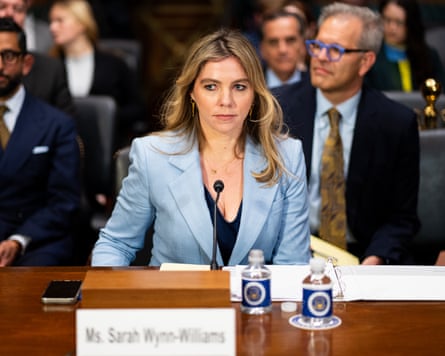
This award comes at a particularly significant moment in cultural conversations about corporate accountability, technological ethics, and the responsibilities of social media companies. As governments around the world grapple with how to regulate Meta and other technology giants, testimonies and accounts like those provided by Wynn-Williams become increasingly valuable to policymakers, researchers, and the general public seeking to understand how these platforms operate behind closed doors. The insights provided in Careless People offer a rare window into decision-making processes that affect billions of users worldwide.
The Freedom to Publish prize itself stands as a vital recognition of the importance of enabling voices to speak truth to power, particularly when doing so carries personal and professional risks. Publishing houses and award committees that celebrate such works acknowledge the critical role that investigative journalism, memoirs, and insider accounts play in maintaining transparency and accountability within powerful institutions. In an era of increasing corporate influence and concerns about misinformation, platforms that amplify credible whistleblower accounts serve a democratic function.
Wynn-Williams' transition from being an executive within Meta to becoming a public critic and author represents a significant personal journey. Her decision to write and publish her experiences, despite the predictable backlash and legal complexities that often accompany whistleblowing, demonstrates a commitment to public discourse that transcends personal security concerns. Many observers have noted that her willingness to put her reputation and potentially her financial interests at risk speaks to the depth of her convictions about the importance of corporate transparency.
The broader implications of this award extend beyond the individual stories of Wynn-Williams and Giuffre. It signals to other potential whistleblowers that their accounts, their courage, and their willingness to challenge powerful institutions will be recognized and valued by important cultural institutions. As corporate accountability becomes an increasingly pressing concern for society, awards like this one help ensure that critical voices are amplified rather than suppressed.
Looking forward, the recognition granted to Wynn-Williams and Giuffre is likely to generate renewed interest in memoir writing that addresses corporate malfeasance, institutional corruption, and the personal costs borne by those who challenge the powerful. Their shared award may inspire other insiders from major corporations to consider documenting their experiences and perspectives, potentially leading to a new wave of revelatory accounts about how major institutions actually operate versus how they present themselves publicly to investors, regulators, and consumers.
Source: The Guardian


