
Metro 2033 & Last Light Original Versions Now on GOG

GOG adds original Metro 2033 and Metro: Last Light to its preservation program. Discover how classic PC games are being protected.
In a significant move for game preservation, GOG (Good Old Games) has announced the addition of the original versions of Metro 2033 and Metro: Last Light to its ever-expanding digital library. This development represents another milestone in the platform's ongoing commitment to protecting and archiving classic video games that might otherwise become lost to time and technological obsolescence.
The decision to bring these beloved post-apocalyptic shooters to GOG's catalog underscores the growing importance of digital preservation in the gaming industry. Both Metro titles, originally developed by 4A Games, have maintained a passionate fanbase over the years, and the availability of their original versions ensures that players can experience these games exactly as they were meant to be played when first released. GOG has long positioned itself as a guardian of gaming history, and this acquisition further solidifies that mission.
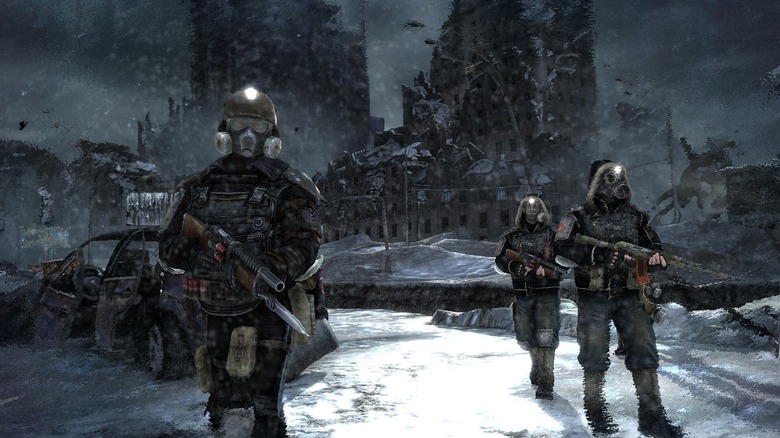
Metro 2033, released in 2010, introduced players to a haunting underground civilization in post-nuclear Moscow, where humanity had retreated into the subway system to survive a devastating atomic catastrophe. The game's atmospheric storytelling, combined with its blend of stealth and action gameplay mechanics, created an immersive experience that resonated deeply with PC gaming enthusiasts worldwide. Its sequel, Metro: Last Light, built upon this foundation with enhanced graphics, refined mechanics, and a continuation of the franchise's gripping narrative about survival and humanity's resilience.
GOG's preservation efforts have become increasingly critical as the gaming landscape continues to shift toward digital licensing and subscription services. Unlike conventional digital storefronts, GOG specializes in offering DRM-free games, meaning players own their purchases outright without worrying about licensing agreements expiring or games being delisted from platforms. This approach has made GOG an invaluable resource for collectors, historians, and players who value long-term access to their favorite titles.
The inclusion of the original Metro games comes as part of GOG's broader game preservation program, which has systematically worked to rescue titles from obscurity and technological incompatibility. The platform recognizes that as hardware evolves and operating systems change, older games risk becoming unplayable. By maintaining these titles in a modernized yet authentic form, GOG ensures that future generations can experience the games that shaped the industry.
For fans of the Metro franchise, having access to the original versions holds particular significance. Over the years, these games have received various updates, re-releases, and enhanced editions, each introducing changes—sometimes controversial ones—to the original experience. The availability of the authentic original versions on GOG allows dedicated players and newcomers alike to understand the franchise's evolution and appreciate the foundational elements that made these games so memorable.
The technical aspects of preserving these games deserve attention as well. GOG works diligently to ensure that older titles function properly on modern hardware and operating systems, implementing necessary compatibility layers and configurations while maintaining the original gameplay experience. This technical work requires substantial expertise and investment, demonstrating GOG's genuine commitment to their preservation mission beyond mere commercial interest.
Metro 2033 and Metro: Last Light also represent important cultural artifacts within video game history. These games, based on Dmitry Glukhovsky's Metro novels, successfully translated literary source material into interactive entertainment. They contributed significantly to the post-apocalyptic genre in gaming, influencing numerous titles that followed and establishing certain atmospheric and narrative conventions that persist in modern game design.
The gaming community has generally responded positively to GOG's continued efforts to acquire and preserve classic titles. Such initiatives address a real concern among players and industry observers about the fragility of digital media and the risk of losing important works. As digital distribution has become the industry standard, the responsibility to preserve these titles has fallen primarily to platforms like GOG that recognize the cultural and historical value of video game archives.
For newcomers interested in exploring the Metro franchise, the availability of original versions on GOG provides an excellent entry point. The games can be purchased individually or as part of bundles, and GOG's platform offers various conveniences such as cloud saves, achievements, and user reviews that help players make informed decisions. The absence of digital rights management also means that purchasers can install and play these games without requiring constant internet connectivity or worrying about future account suspensions.
Looking forward, GOG's continued acquisition of classic titles suggests that the platform will remain a crucial destination for those seeking reliable access to gaming history. As the industry matures and more games reach the age where preservation becomes necessary, platforms like GOG become increasingly important cultural institutions. The Metro games represent just the latest addition to a growing library that spans decades of gaming evolution.
The addition of Metro 2033 and Metro: Last Light to GOG's catalog reinforces a broader truth about video games: they are not merely commercial products but also artistic expressions and historical documents worthy of preservation. By ensuring these games remain accessible and playable, GOG honors the creative vision of their developers while serving the interests of the global gaming community. This commitment to preserving classic games ensures that future players will have the opportunity to experience the titles that defined gaming history.
Source: Engadget

