
Mexican Parents Oppose Early School Year End for World Cup

Mexican federal government faces backlash as parents criticize plan to end school year early in June to accommodate FIFA World Cup tournament scheduling.
Mexico's federal government is facing significant criticism from parents and educators over a controversial proposal to conclude the school year approximately one month earlier than scheduled. The contentious decision would see classes end on June 5th, a move designed to accommodate the international FIFA World Cup football tournament and its associated festivities across the nation. This announcement has sparked considerable debate about educational priorities and the appropriate balance between national sporting events and academic commitments.
The plan to compress the academic calendar has generated widespread frustration among Mexican families who argue that cutting short the school year could compromise educational standards and learning outcomes for students nationwide. Parents have voiced concerns that reducing instructional time by approximately four weeks would leave insufficient opportunity for students to complete crucial curriculum requirements and adequately prepare for end-of-year assessments. Many families worry that the accelerated timeline would place undue pressure on both teachers and students to rush through remaining coursework.
Education advocates and child development experts have joined parents in expressing reservations about the early dismissal proposal. These professionals contend that the World Cup, while culturally significant, should not take precedence over fundamental educational obligations. Critics point out that truncating the academic calendar sets a problematic precedent, suggesting that sporting events can supersede established educational frameworks and schedules that are carefully designed to optimize student learning and achievement.
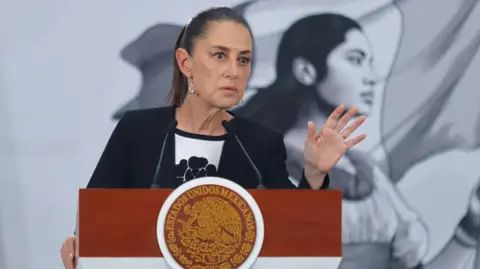
The federal government's decision to modify the school calendar reflects the enormous cultural importance that the World Cup holds in Mexico, where football represents far more than just a sport—it embodies national pride and unity. Officials have justified the early conclusion by emphasizing the significance of the tournament and the need to allow citizens, including families and students, to participate in the celebrations and festivities surrounding this global sporting spectacle. Proponents of the plan argue that the World Cup represents a rare opportunity for the nation to showcase its passion and enthusiasm on an international stage.
However, the rationale provided by government officials has done little to assuage the concerns raised by parents and educational stakeholders. Many families have taken to social media and other platforms to express their objections, creating a groundswell of public opinion against the proposal. The pushback demonstrates the growing tension between cultural and sporting priorities on one hand, and educational values and student welfare on the other hand, revealing a fundamental disagreement about what should be prioritized during the academic year.
School administrators across Mexico have also grappled with the logistical challenges that such a dramatic calendar change would impose. Teachers have expressed concerns about the compressed timeline for grading, conducting parent-teacher conferences, and completing administrative requirements typically handled during the final weeks of the academic year. The sudden shift in scheduling has created uncertainty and disruption in educational institutions that had already planned their final month of activities and assessments around the traditional June calendar.
The controversy surrounding the World Cup scheduling decision highlights ongoing debates in Mexico about how to balance national celebrations with institutional responsibilities. This is not the first time that a major sporting event has prompted discussions about adjusting educational calendars, but the scale and intensity of the current backlash suggests that public sentiment may be shifting. Parents increasingly view education as a non-negotiable priority that should not be compromised for external events, regardless of their cultural significance.
Industry experts in education policy have noted that such calendar modifications can have cascading effects throughout the academic year. Students may struggle to readjust after an extended break prompted by the tournament, potentially affecting academic performance and engagement when classes resume. Additionally, the compressed academic timeline could create particular challenges for students who require additional support or interventions, as there would be less time to implement remedial instruction or enrichment activities.
The federal government has indicated that the final decision on the school calendar remains subject to further review and consultation with stakeholders. However, the substantial public pressure and organized opposition from parents suggest that officials may need to reconsider their initial proposal. Education ministers have begun engaging with parent organizations and teacher unions to discuss potential compromises that might address concerns while still accommodating some level of flexibility for the World Cup period.
Some observers have suggested alternative approaches that could potentially satisfy both camps, such as allowing optional attendance during the final weeks or scheduling specific World Cup holidays without formally ending the academic year. These compromise solutions would theoretically enable families to participate in celebrations while maintaining the integrity of the educational calendar. However, such proposals remain theoretical at this stage, and their feasibility has yet to be thoroughly evaluated by education officials.
The situation reflects broader conversations taking place globally about how educational institutions should respond to major international events and cultural moments. Mexico's experience may serve as a cautionary tale for other nations considering similar calendar modifications, demonstrating the importance of consulting widely with affected communities before implementing significant changes to established academic schedules. The controversy underscores the reality that decisions impacting students and families require careful consideration of multiple perspectives and priorities.
As the debate continues to unfold, Mexican parents remain vigilant in advocating for their children's educational interests. Whether the federal government ultimately proceeds with the early dismissal plan, modifies it substantially, or abandons it entirely will depend largely on the continued pressure and input from families, educators, and other concerned citizens. The coming weeks will likely prove decisive in determining whether the school calendar adjustment moves forward or whether educational considerations will ultimately prevail over sporting enthusiasm.
This controversy represents a microcosm of the broader challenges faced by modern societies attempting to balance cultural traditions, national pride, and institutional responsibilities. Mexico's experience with the World Cup school calendar debate will undoubtedly influence future discussions about how major events should be integrated into the academic year without compromising educational quality and student achievement across the nation.
Source: BBC News


