
Mexico City's Purple Axolotl Campaign Sparks Public Backlash

Mayor's World Cup beautification effort featuring axolotl murals faces criticism over resource allocation and priorities from residents.
Mexico City residents are expressing growing frustration with the city government's ambitious urban beautification initiative centered around the purple axolotl mascot, raising questions about municipal spending priorities and the allocation of public resources. The initiative, designed to prepare the metropolis for its role as a World Cup host city, has transformed numerous neighborhoods with vibrant murals and colorful street paintings featuring the distinctive rare amphibian.
For resident Manuel Martínez, the abundance of axolotl murals dotting the urban landscape represents a misguided use of taxpayer funds. Walking through his neighborhood, he encountered multiple large-scale paintings of the purple creature adorning street surfaces and building facades. His observation reflects a broader sentiment among Mexico City citizens who question whether such cosmetic enhancements truly serve the population's needs.
"It's a waste of money," Martínez stated bluntly, articulating concerns shared by many community members. He outlined a comprehensive list of alternative uses for the budget allocated to the World Cup beautification project, emphasizing practical infrastructure needs that directly impact daily life. From addressing deteriorating road conditions to installing functional traffic management systems and enhancing public safety through surveillance infrastructure, residents see countless pressing municipal challenges that remain unresolved.

The criticism extends beyond individual complaints, representing a clash between civic administration priorities and constituent expectations. Critics argue that the city government has chosen to invest in aesthetic enhancements primarily intended to impress international visitors and create a favorable impression during the global sporting event. This approach, detractors contend, marginalizes the immediate concerns and quality-of-life improvements that residents desperately need.
The axolotlisation of Mexico City, as some residents have mockingly termed the campaign, involves comprehensive repainting of public spaces with purple coloring and artistic representations of the amphibian mascot. Street surfaces, building walls, and public infrastructure have been transformed as part of this coordinated beautification effort. The scale and visibility of these changes have made them impossible to ignore, keeping the initiative firmly in public consciousness.
Municipal authorities have justified the project as essential preparation for hosting a major international event, arguing that improving the city's aesthetic appeal demonstrates Mexico City's commitment to hosting a world-class sporting competition. They contend that such initiatives contribute to civic pride and create positive international impressions. However, this reasoning has failed to resonate with many residents facing more fundamental urban challenges.

The rare axolotl species, a critically endangered creature endemic to Mexico, has become the unlikely symbol of this civic debate. While the amphibian's cultural significance and conservation status might justify its prominence in environmental awareness campaigns, many question whether street murals represent the most effective use of resources for protecting the species. Conservation efforts, habitat restoration, and breeding programs might serve the axolotl's future better than decorative public art.
Traffic light infrastructure throughout Mexico City remains chronically inadequate, with malfunctioning signals contributing to accidents and congestion in multiple districts. Road maintenance has been consistently underfunded, leaving potholes and damaged surfaces that deteriorate rapidly during rainy seasons. Public safety concerns, including the need for surveillance cameras and improved lighting in crime-prone areas, represent measurable security improvements that residents believe should take priority over artistic projects.
The timing of the initiative, launched in advance of the World Cup preparations, suggests that international image management has significantly influenced municipal budget decisions. Cities preparing to host major sporting events often prioritize visible, photogenic improvements that create favorable impressions for visiting journalists, tourists, and international delegations. This pattern, while understandable from a promotional perspective, frequently neglects the unglamorous infrastructure and services that form the foundation of livable urban environments.

Economic considerations further complicate the debate surrounding the World Cup beautification spending. Municipal budgets operate with finite resources, requiring careful prioritization of expenditures. Every peso allocated to mural painting represents funds unavailable for street repair, public transportation improvements, or social services. In a city where portions of the population struggle with inadequate infrastructure, this zero-sum dynamic becomes particularly contentious.
Environmental advocates have noted an ironic contradiction in the campaign's approach to the axolotl mascot. The real species faces existential threats from habitat loss, water pollution, and urban development pressures throughout Mexico. Dedicating resources to celebrating the creature through street art while failing to adequately fund environmental protection and conservation efforts sends mixed messages about institutional commitment to biodiversity preservation.
The backlash against the initiative demonstrates how municipal governments must navigate competing interests when preparing for high-profile international events. While establishing a positive international image carries legitimate importance for cities hosting global competitions, doing so at the expense of addressing fundamental urban needs creates tensions that can undermine long-term civic wellbeing and public trust in government institutions.
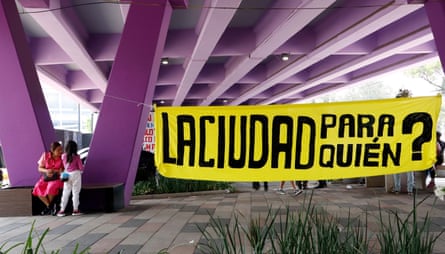
Looking forward, the controversy surrounding Mexico City's axolotl-themed urban campaign offers important lessons for future host cities planning major international events. Balancing aesthetic improvements with functional infrastructure development, engaging residents meaningfully in planning decisions, and ensuring that civic preparations benefit all community members—not merely international visitors—represent crucial considerations for sustainable urban development.
Source: The Guardian


