
Mexico Scraps Early School Closure Plan for World Cup

Mexico cancels controversial proposal to end school year early for World Cup, citing parental concerns about disrupted education and extreme heat management.
In a significant reversal of policy, Mexican education authorities have officially cancelled plans to end the school year early for the FIFA World Cup tournament. The announcement comes after considerable backlash from parents, educators, and community members who opposed the original proposal to terminate classes on June 5th, nearly six weeks ahead of the regularly scheduled July 15th end date.
The World Cup early dismissal plan had generated substantial controversy across Mexico, with families expressing deep concerns about the potential educational disruption. Parents argued that such a significant reduction in instructional time would compromise their children's academic progress and create logistical challenges for working families who rely on school as a childcare solution during the summer months. The proposed early closure would have left a substantial gap in the school calendar without adequate alternatives for student supervision and care.
Education officials had originally proposed the abbreviated school calendar citing two primary justifications: accommodating the World Cup tournament schedule and addressing concerns about extreme heat conditions expected during early summer in Mexico. The country experiences increasingly intense heat waves during this period, and officials suggested that reducing classroom time would protect students from prolonged exposure to potentially dangerous temperatures in educational facilities.
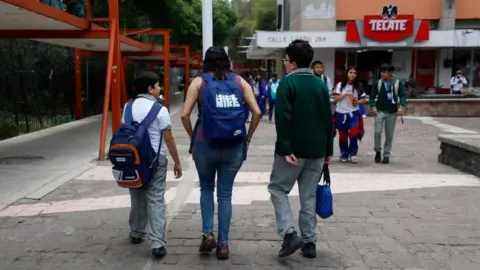
However, the Mexico school closure controversy revealed significant logistical and social implications that the initial proposal had underestimated. Parents emphasized that ending school six weeks early would create an extended unsupervised period for children, particularly affecting families where both parents work full-time jobs. The proposal would have essentially shifted childcare responsibilities to parents without any transition period or planning time, raising equity concerns about families with different economic resources.
The reversal demonstrates the importance of stakeholder engagement in educational policy decisions. When school administrators fail to adequately consult with parents and community members before implementing major calendar changes, significant resistance typically emerges. In this case, the groundswell of parental opposition proved too substantial for officials to ignore, forcing a reassessment of the entire initiative.
Education authorities have indicated they will explore alternative solutions to address the extreme heat concerns during summer months without disrupting the academic calendar. These alternatives may include adjusted daily schedules, enhanced cooling systems in schools, modified outdoor activity protocols, and flexible scheduling that maintains instructional continuity while protecting student welfare. Such approaches would address heat-related safety concerns while preserving the integrity of the educational experience.
The World Cup scheduling impact on schools had been another significant point of concern raised by critics. While the tournament represents an important cultural event for Mexico, the proposal to dramatically restructure the academic year raised questions about whether sporting events should drive fundamental changes to educational systems. Many argued that the World Cup, though significant, should not necessitate such drastic measures that compromise educational standards and family planning.
The decision to cancel the early closure plan reflects broader conversations happening globally about balancing major cultural events with essential social institutions like public education. Schools serve functions that extend far beyond academic instruction, including providing nutrition, supervision, social development opportunities, and routine stability for children and families. Disrupting these services without comprehensive planning creates cascading effects throughout communities.
Mexican education officials have committed to working with stakeholders throughout the coming months to develop heat management strategies that don't compromise the school calendar. This collaborative approach signals a shift toward more inclusive decision-making processes that value input from parents, teachers, and community leaders. Moving forward, any proposals for significant calendar changes will likely involve more extensive consultation and planning periods.
The cancellation also underscores the vulnerability of education systems to external pressures and the need for more robust planning frameworks. When major events like international tournaments coincide with seasonal challenges like extreme heat, schools require comprehensive contingency plans rather than hasty structural changes. Developing these plans proactively allows institutions to serve multiple objectives without compromising their core mission.
As Mexico continues to grapple with climate-related challenges and major international events, the school year scheduling decision sets a precedent for future policy-making. The emphasis on stakeholder input and collaborative problem-solving may become increasingly important as institutions face complex challenges requiring balanced solutions. This approach ultimately benefits students, families, and educational outcomes by ensuring policies are thoughtful, comprehensive, and community-supported.
Source: BBC News


