
Miami Upgrades Shake F1 Grid as Mercedes Faces New Rivals

Mercedes wins Miami, but McLaren and Red Bull upgrades signal competitive 2026 season ahead. Formula 1 grid shifts after enforced break.
The Miami Grand Prix delivered a watershed moment for Formula One's 2026 campaign, signaling that despite Mercedes securing victory, the competitive landscape has fundamentally shifted beneath the surface. As the sport emerged from an enforced early season break, the Hard Rock Stadium circuit provided the perfect proving ground for teams to showcase their latest technological advancements and strategic refinements. What unfolded was not merely another Mercedes triumph, but rather a complex narrative of resurging challengers that promises to reshape the championship battle for months to come.
The regulation changes that preceded the Miami event dominated paddock conversations and team briefings throughout the weekend. However, these technical modifications pale in comparison to what team upgrades accomplished on track, demonstrating that raw performance development remains the ultimate arbiter of competitive success in modern Formula One racing. McLaren's improved form proved particularly noteworthy, with the Woking-based outfit demonstrating measurable gains in both qualifying pace and race strategy execution. Red Bull, meanwhile, reminded the grid of their capabilities with competitive showings that suggested their earlier season struggles may represent a temporary blip rather than a systemic issue.
The significance of Miami extends beyond the immediate race result or championship points distribution. Instead, the weekend represented a crucial inflection point where multiple teams proved they possess the engineering sophistication and strategic acumen to challenge Mercedes' apparent dominance. The competitive gap that seemed insurmountable just weeks earlier has begun to narrow, creating genuine uncertainty about how the remainder of the season will unfold. This uncertainty, paradoxically, is exactly what Formula One needs to maintain fan engagement and sporting credibility.

Mercedes' victory in Miami, while impressive and deserving of recognition, must be contextualized within this broader competitive shift. The German manufacturer has dominated recent seasons with what many critics labeled an unsustainable technical advantage, but the Florida race suggested that the performance hierarchy is recalibrating. Lewis Hamilton and his teammate managed to secure the win, yet the margin of victory proved smaller than observers might have anticipated given Mercedes' recent track record. This compression of the performance window indicates that energy management strategies and related technical factors will play increasingly crucial roles in determining race outcomes throughout 2026.
The 2026 title race landscape has become considerably more complex following the Miami weekend. With McLaren demonstrating tangible improvements and Red Bull showing signs of rediscovering their competitive form, the championship battle promises to extend well beyond the midseason point. Teams that appeared to be effectively out of contention just weeks earlier are now positioning themselves as credible threats to Mercedes' continued dominance. This resurgence reflects the inherent competitiveness of the sport and the continuous evolution of aerodynamic, mechanical, and strategic innovations.
Energy management has emerged as the dominant technical discussion point among teams and engineers, though this phrase represents a complex ecosystem of factors rather than a single variable. Hybrid power unit optimization, battery deployment strategies, and regenerative braking systems all factor into the broader category of energy management. Teams like McLaren have clearly made strides in understanding and optimizing these systems, translating theoretical improvements into measurable on-track performance gains. The sophistication required to extract maximum efficiency from these power units without sacrificing reliability or performance demonstrates the technical depth of modern Formula One engineering.
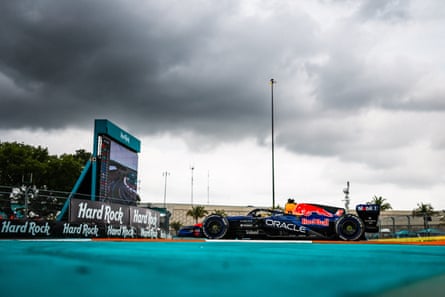
Red Bull's performance resurgence carries particular significance given the team's recent operational changes and technical restructuring. The Austrian team's return to form suggests that their difficulties earlier in the season may have been addressed through targeted development initiatives rather than representing fundamental design flaws. Their Miami showing hinted at the possibility of a multi-team championship battle, where strategic decision-making and driver performance become differentiating factors rather than sheer technical superiority. This competitive parity, while challenging for Mercedes, represents a positive development for the sport's overall health and entertainment value.
The Hard Rock Stadium circuit itself presented unique challenges and opportunities that perhaps played to different teams' strengths compared to earlier venues. The demanding layout, with its combination of high-speed corners and technical sections, requires teams to balance aerodynamic efficiency with mechanical grip. The upgrades that teams brought to Miami specifically targeted these characteristics, suggesting that teams carefully analyzed the circuit's demands and tailored their development programs accordingly. This kind of granular, circuit-specific optimization distinguishes elite teams from their midfield competitors.
Looking ahead, the 2026 F1 season appears positioned to deliver the kind of competitive entertainment that has occasionally been lacking in recent years. With Mercedes no longer possessing an obvious technical advantage and multiple teams demonstrating capability to challenge for race victories, the championship race should extend throughout the calendar. McLaren's improvements in particular suggest that Woking's technical leadership is beginning to bear fruit, potentially setting up a fascinating rivalry with Mercedes and Red Bull over the remainder of the season. The upgrades brought to Miami by these teams represent just the initial chapter in what promises to be a lengthy and compelling narrative.
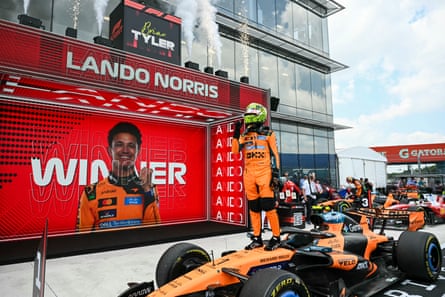
The broader implications of the Miami weekend extend beyond mere championship mathematics. The race demonstrated that Formula One's technical regulations continue to provide sufficient flexibility for teams to develop meaningful performance advantages through dedicated engineering effort. Upgrades matter, and teams that invest resources into targeted development initiatives can translate those investments into competitive gains. This reality underscores the importance of technical depth, financial resources, and strategic planning in determining competitive success within the sport's regulatory framework.
As the championship battle continues to unfold, observers should expect continued performance fluctuations as teams bring new upgrades and refinements to successive race weekends. The Miami weekend has fundamentally altered expectations for the season ahead, replacing a potentially dominant Mercedes narrative with a more compelling multi-team championship battle. While Mercedes has proven capable of winning under pressure before, the emergence of credible challengers like McLaren and Red Bull ensures that complacency is not an option. The long season ahead promises to test not only the technical capabilities of teams but also the strategic acumen of team leaders and the raw driving skill of their pilots.
Source: The Guardian


