
Michigan Synagogue Attack Sparks Condemnation, but Healing Proves Complex

Religious leaders across Detroit and the US condemn the recent terrorist attack on a Michigan synagogue, but the US-Israel war on Iran complicates the path forward.
In the wake of the devastating 12 March terrorist attack on a Michigan synagogue, Jewish and Arab American leaders across Detroit and the US have come together to strongly condemn the violence. However, the complexities of the situation, particularly against the backdrop of the ongoing US-Israel military campaign in Iran, make the path forward towards healing and reconciliation anything but simple.
The attack on Temple Israel in the city of Bloomfield Hills, which left several worshippers injured, has shaken the local community and reverberated across the nation. Religious and civic leaders from both the Jewish and Arab American communities have united in their denunciation of the act, calling for calm and understanding in the face of such senseless hatred.
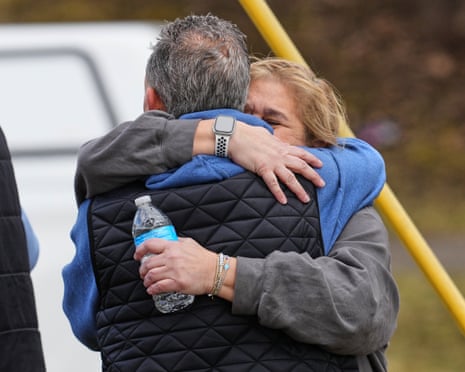
However, the underlying tensions between these two groups, fueled by the ongoing geopolitical conflict between the US, Israel, and Iran, add an extra layer of complexity to the situation. The US and Israel have ramped up their military operations against Iran in recent months, a move that has deeply concerned many Arab American leaders who fear the escalation could lead to further violence and instability in the region.
In Dearborn, Michigan, which is home to one of the largest Arab American populations in the country, the impact of these international tensions is keenly felt.


