
Microsoft Releases Earliest DOS Source Code Ever Found

Microsoft open-sources the earliest DOS source code discovered to date, including 86-DOS 1.00 kernel and original development snapshots from the PC era.
In a significant move toward digital preservation and historical transparency, Microsoft has released what it describes as "the earliest DOS source code discovered to date," marking another milestone in the company's ongoing effort to share the foundational technology that built its empire. This latest release represents the most comprehensive and historically significant source code publication from the company's archives to date, delving deeper into the operating system's origins than any previous disclosure.
The source code release includes materials that predate even the MS-DOS branding itself, featuring source code for the 86-DOS 1.00 kernel alongside multiple development snapshots of the PC-DOS 1.00 kernel. Among the included utilities are essential tools like CHKDSK, which became staples in the DOS ecosystem. According to Microsoft's Stacey Haffner and Scott Hanselman in their official blog post announcing the release, this collection represents a treasure trove for historians, developers, and anyone interested in understanding how modern operating systems evolved from their earliest predecessors.
The historical significance of this release cannot be overstated, as it provides unprecedented access to the very foundations of personal computer software development. Researchers and computing historians have long sought access to these early materials, and Microsoft's open-source initiative demonstrates a commitment to preserving important aspects of computing history. The release includes not only executable code but also development notes and documentation that provide crucial context for understanding how these systems were designed and implemented.
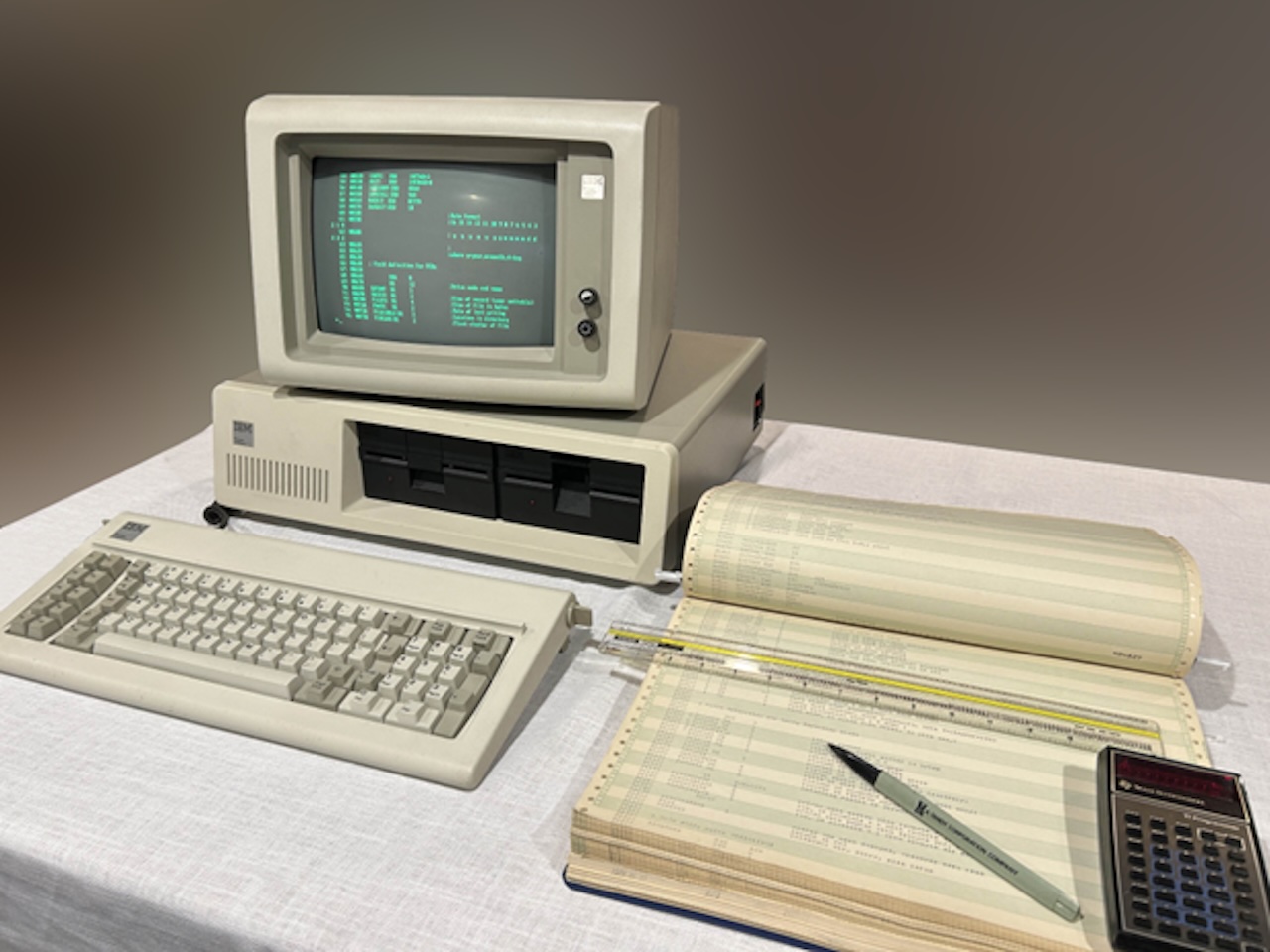
To fully appreciate the significance of this release, it's essential to understand the historical trajectory that led to the creation of MS-DOS. Programmer Tim Paterson, working for Seattle Computer Products, originally developed 86-DOS (initially known as QDOS, standing for "quick and dirty operating system") as an operating system for Intel 8086-based computer kits. This operating system caught the attention of Microsoft, which was facing a critical challenge: IBM had contracted the company to provide an operating system for its highly anticipated IBM PC 5150, which was still in development at the time.
Rather than developing an operating system from scratch, which would have been time-consuming and resource-intensive, Microsoft licensed 86-DOS from Seattle Computer Products and brought Tim Paterson into the company to continue its development. This strategic decision proved to be one of the most consequential business moves in technology history. Microsoft eventually purchased the rights to 86-DOS outright, giving the company full control over the operating system's future development and licensing.
The business model that followed was equally brilliant: Microsoft licensed the operating system to IBM under the name PC-DOS, while simultaneously retaining the right to license the same operating system to other manufacturers under the MS-DOS brand name. This dual-licensing strategy would prove enormously profitable, as IBM's PC became the standard for personal computing, and other manufacturers rushed to create IBM-compatible computers that required their own operating systems. Microsoft's ability to sell MS-DOS to these competitors while IBM used PC-DOS created a diverse revenue stream that helped establish Microsoft's financial dominance.

Over the decades, Microsoft has periodically released source code for various versions of MS-DOS as the operating system aged and eventually became obsolete. These releases served multiple purposes: they satisfied historical curiosity, allowed hobbyists and developers to study the code, and provided transparency into Microsoft's early work. However, all previous releases had been more recent versions of the operating system, never reaching back to the very earliest iterations before the MS-DOS brand was even established.
This latest release breaks that barrier, providing access to the primordial soup from which DOS emerged. The 86-DOS 1.00 kernel source code represents the operating system in its nascent form, before Microsoft's acquisition and branding efforts. The development snapshots of PC-DOS 1.00 show the evolutionary process that occurred as the operating system was refined and prepared for release alongside IBM's revolutionary personal computer. These snapshots are invaluable for understanding the rapid iteration and problem-solving that characterized early operating system development.
The inclusion of utilities like CHKDSK demonstrates the holistic nature of this release. Users of DOS systems will immediately recognize this utility as a fundamental tool for checking disk integrity and repairing file system errors. Seeing the original source code for such widely-used tools provides insights into how developers approached common computing problems in the earliest days of personal computing. The code also reveals the constraints and design philosophies of the era, including considerations for memory limitations and processing power that seems almost quaint by modern standards.
The documentation and developer notes accompanying the source code release are particularly valuable for researchers and historians. These materials provide context that the code alone cannot convey, explaining design decisions, highlighting challenges that developers faced, and documenting the thinking behind particular implementation choices. Such documentation is often missing from historical software projects, making this release exceptional in its completeness.
Microsoft's decision to open-source this material aligns with broader industry trends toward open source software and historical preservation. The company has increasingly recognized that sharing the history of its early work benefits the entire technology community and demonstrates confidence in its current and future products. By allowing programmers and students to study the code that powered the personal computer revolution, Microsoft contributes to a shared understanding of how computing evolved.
The timing of this release also reflects evolving attitudes within Microsoft's leadership regarding intellectual property and historical documentation. Under current CEO Satya Nadella's stewardship, the company has become increasingly receptive to open-source initiatives and collaborative approaches to software development. This contrasts sharply with Microsoft's more proprietary stance in earlier decades, suggesting a fundamental shift in corporate philosophy regarding the value of openness and transparency.
For students of computer science and technology history, this release represents an unprecedented educational opportunity. DOS source code is now available for direct study, allowing learners to see how foundational operating system concepts were actually implemented in real-world conditions. Universities and educational institutions have long used historical software as teaching tools, and this release will undoubtedly find its way into computer science curricula around the world.
The broader implications of Microsoft's commitment to releasing early DOS history materials suggest that additional releases may follow. Computing historians are hopeful that Microsoft will continue excavating its archives and sharing more materials from the early days of the company. Each release adds another piece to the puzzle of how the modern computing landscape came to be, preserving crucial information that might otherwise be lost to time.
This release also serves as a reminder of the importance of software preservation and historical documentation in the technology industry. As software becomes increasingly ephemeral and cloud-based, maintaining access to the foundational code that built the industry becomes ever more critical. Microsoft's actions in this regard set a positive example for other technology companies to consider similar initiatives.
Source: Ars Technica


