
Middle East Tensions Drive Airline Fare Hikes Across Asia

Airlines like Cathay Pacific, AirAsia, and Thai Airways are raising flight prices due to the Iran conflict's impact on oil supply and travel disruptions.
As the ongoing conflict in the Middle East continues to disrupt global oil supply, a growing number of major airlines in Asia are hiking their flight prices to adjust. Carriers like Cathay Pacific, AirAsia, and Thai Airways have joined Qantas in implementing fare increases, responding to the surge in oil prices and a surge of travelers seeking to avoid stopovers in the Middle East region.
The war between the United States, Israel, and Iran has driven oil prices sharply higher, with experts warning that air fares could remain elevated for months even if the conflict were to come to an end in the near future. This upheaval in the energy markets has forced airlines to pass on these increased costs to consumers, compounding the disruption caused by travel restrictions and flight cancellations in the Middle East.
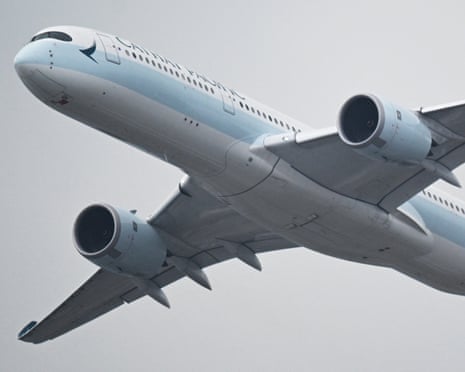
Travelers are increasingly seeking alternative stopover destinations in Asia to avoid the instability in the Middle East, further straining airline capacity and driving up prices. This dynamic has created a challenging environment for both airlines and passengers, as the industry grapples with the downstream effects of the geopolitical turmoil.
"The impact of the Iran conflict on oil prices and travel patterns is reverberating across the Asian aviation market," said industry analyst Sarah Lee. "Airlines have little choice but to pass on these costs to consumers, at least in the short term, until the situation stabilizes."
Beyond the immediate pressures, the crisis also raises broader questions about the aviation industry's vulnerability to geopolitical shocks and its ability to adapt to rapidly changing market conditions. As the fallout from the Iran conflict continues to unfold, industry stakeholders will be closely monitoring the long-term implications for airline profitability and the passenger experience.
"This is a stark reminder of how interconnected the global economy is, and how events halfway around the world can have a major impact on an industry like aviation," added Lee. "Airlines will need to build in more flexibility and resilience to weather these types of disruptions in the future."
Source: The Guardian


