
Middle-Income Families Cut Back on Leisure Amid Cost-of-Living Crisis

Struggling with rising costs, families with average incomes have reduced their weekly leisure spending by £40, according to new government data.
The cost-of-living crisis is taking a toll on middle-income families across the United Kingdom, with many cutting back on leisure activities and days out to make ends meet. According to new government figures, households with an average income of £55,000 have reduced their weekly spending on leisure by £40 - a significant decrease that highlights the financial strain facing the country's middle class.
This trend reflects the tough choices families are being forced to make as the prices of food, fuel, and other essentials continue to rise. With the average household now spending £52 on a single lunch outing, many are simply unable to justify the expense, opting instead to stay home or find more budget-friendly alternatives.

The data, collected by the Office for National Statistics (ONS), paints a concerning picture of the financial pressures faced by middle-income Britons. While higher-income households may be able to absorb the increased costs, those in the middle are having to make difficult trade-offs - cutting back on leisure activities, limiting dining out, and finding ways to save on everyday expenses.
"We simply can't justify a £52 lunch anymore," said one middle-income family member. "It's a shame, but we have to be more mindful of our spending and find ways to enjoy ourselves that don't break the bank."
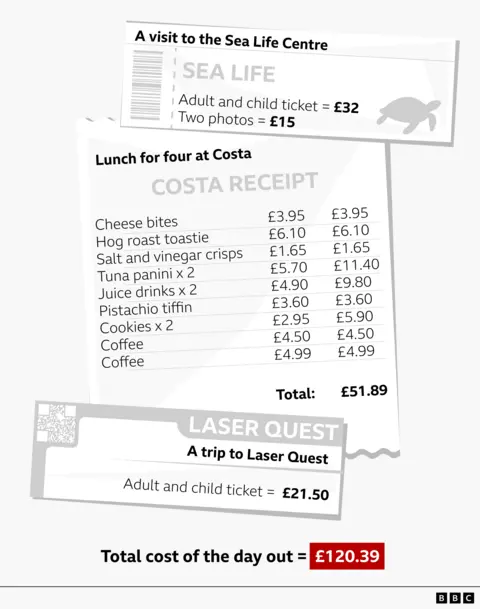
The ripple effects of this trend are likely to be felt across the economy, as reduced consumer spending on leisure and entertainment impacts businesses in the hospitality, tourism, and retail sectors. Policymakers and economists will be closely monitoring the situation, as the ability of middle-income families to maintain their standard of living has broader implications for the nation's economic health.
As the cost-of-living crisis continues to unfold, it remains to be seen how long middle-income families can sustain the current level of cutbacks before more significant lifestyle changes become necessary. The ability of the government and businesses to provide relief and support will be crucial in determining the resilience of this vital segment of the population.
Source: BBC News


