
Millions Lose Voting Rights in West Bengal Election

Over 9 million voters removed from electoral roll in West Bengal ahead of critical state elections, with critics alleging disproportionate impact on minorities.
A significant electoral controversy has emerged in West Bengal as millions of registered voters face removal from the electoral roll just days before a crucial state election. The massive purge has drawn intense scrutiny from election watchdogs, civil rights organizations, and international observers who argue that the process disproportionately targets Muslim minorities and other marginalized communities. This development raises serious questions about the integrity of the democratic process and the fairness of voter participation rights across India's diverse political landscape.
The West Bengal electoral revision has eliminated approximately 9.1 million names from the voter register, representing more than 10% of the total electorate in the state. Election officials have attributed many of these deletions to deceased voters and duplicate registrations, which they argue are routine administrative measures necessary to maintain accurate electoral records. However, critics contend that the scale and methodology of this purge goes far beyond routine maintenance and constitutes a deliberate effort to suppress voter participation among specific demographic groups.
Among the most alarming aspects of this situation is that roughly 2.7 million individuals have formally challenged their removal from the electoral roll, filing objections and providing documentation to prove their eligibility to vote. Despite these challenges and appeals, election officials have maintained the deletion of these voters, refusing to reinstate them before the upcoming election. This inflexibility has sparked accusations that the process is fundamentally flawed and designed to prevent legitimate voters from participating in the democratic process.
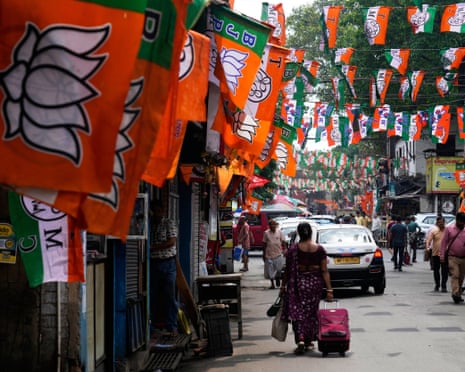
Election experts and analysts have begun examining the demographic patterns of the deleted voters, and their preliminary findings are deeply troubling. Research suggests that disproportionate deletion of minorities has occurred, with Muslim voters being removed at rates significantly higher than other population groups. Similarly, members of other minority communities, including lower-caste groups and religious minorities, report unusually high rates of electoral roll deletion. These patterns strongly suggest that the purge is not a neutral administrative exercise but rather a politically motivated effort to reshape the electorate.
The terminology used by critics to describe this phenomenon reveals the gravity with which observers view the situation. The phrase "bloodless political genocide" has been employed by human rights advocates and opposition politicians to characterize what they see as a systematic and intentional erasure of certain voter populations from the democratic process. While this language is intentionally provocative, it underscores the severity of concerns about the targeting of minority communities and the potential long-term implications for political representation in West Bengal.
West Bengal, one of India's most politically significant states, has historically been a battleground for competing political movements and ideologies. The state has a complex demographic makeup with substantial Muslim, Christian, and Hindu populations, as well as significant communities of scheduled castes and scheduled tribes. The electoral dynamics of West Bengal have long been consequential for national politics, making any manipulation of its voter rolls a matter of broader Indian democratic concern.
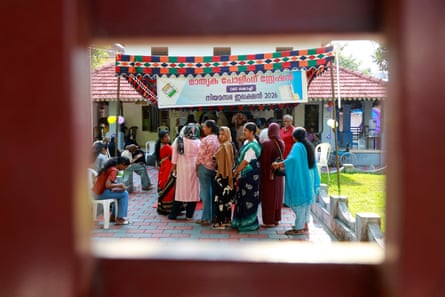
The timing of this electoral revision, occurring immediately before the state election, has been particularly controversial. Typically, such administrative reviews are conducted well in advance of elections to allow adequate time for disputes to be resolved and corrections made. The compressed timeline in this case has prevented many affected voters from obtaining the necessary documentation or pursuing legal remedies to restore their voting rights. Election observers have noted that this rushed schedule appears designed to prevent meaningful challenges to the removals.
Election administration officials have defended their actions by pointing to the need to maintain accurate voter registers and prevent fraudulent voting. They argue that duplicate names, deceased voters, and people who have moved to other jurisdictions represent genuine problems that require correction. Officials claim that their procedures follow established legal protocols and that all deletions are based on documentary evidence and verified information. These defenses, however, do not fully address the allegations of systematic targeting based on religious or ethnic identity.
International observers and human rights organizations have expressed concern about the situation and its implications for democratic governance in India. These groups have called for independent audits of the deletion process to assess whether removals were made equitably across all demographic groups. They have also urged election authorities to implement emergency procedures allowing affected voters to cast ballots subject to verification, a common practice in democracies when there are disputed eligibility determinations.
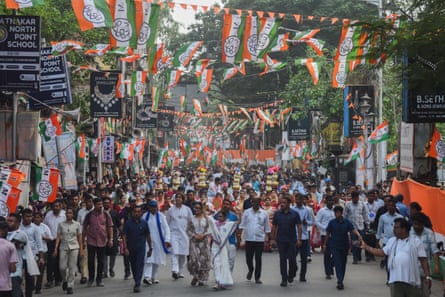
The political context surrounding this electoral revision adds another dimension to the controversy. The ruling government in West Bengal has faced strong opposition from various political parties and civil society organizations over its record on minority rights and communal harmony. Some political analysts argue that the voter roll purge represents an attempt to consolidate electoral advantages by reducing the voting strength of communities perceived as supporting opposition parties. This politically instrumentalized approach to electoral administration stands in stark contrast to the principle of universal adult suffrage that forms the foundation of democratic governance.
Legal challenges to the deletion process have begun winding through India's court system, with affected voters and civil rights organizations filing petitions in state and national courts. These legal proceedings seek to compel election authorities to explain their methodology, provide evidence justifying specific deletions, and restore the voting rights of improperly removed individuals. The judicial response to these challenges will be closely watched as a test of whether India's courts will actively defend democratic participation rights against administrative overreach.
Looking forward, the West Bengal state election will proceed with the reduced electorate, barring any last-minute court orders reversing the deletions. The final outcome of the election, whenever it is held, will reflect the will of only those voters deemed eligible under the current electoral roll. Whether this outcome accurately represents the preferences of West Bengal's actual population remains a question that will likely continue to be debated long after the votes are counted and the results announced.
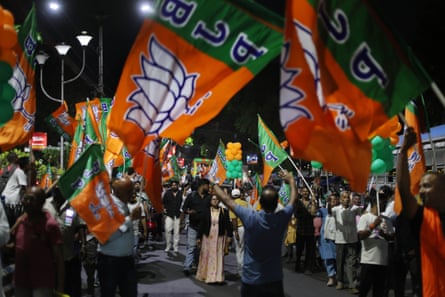
This situation in West Bengal serves as a cautionary reminder of how electoral administration, while often appearing technical and neutral, can be weaponized to influence political outcomes. The removal of nearly 10% of voters from an electoral roll represents an unprecedented intervention that demands rigorous scrutiny and accountability. Whether through court intervention, electoral commission oversight, or ultimately through the political process itself, mechanisms must be developed to prevent such disenfranchisement in future elections and to restore confidence in the integrity of democratic processes across India.


