
Minesweeping Drones to Reopen Strait of Hormuz: UK's Strategic Plan

UK government considering sending aerial minesweepers to clear vital Strait of Hormuz, reluctant to dispatch ships that could escalate Iran crisis.
In a strategic move to address the ongoing tensions in the Middle East, the UK government is actively considering deploying minesweeping drones to the Strait of Hormuz. This decision comes amid concerns that directly complying with Donald Trump's demand to send ships to the region could further escalate the already volatile situation.
Officials in Whitehall are exploring the possibility of dispatching aerial minesweepers to help clear the vital waterway of any potential mines, allowing for the resumption of oil exports through the crucial chokepoint. This approach is seen as a more cautious and strategic alternative to sending ships, which could potentially worsen the conflict.
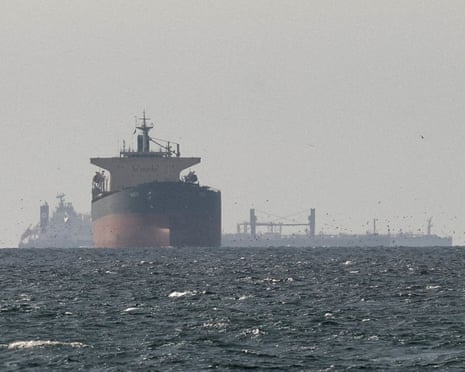
The government's reluctance to comply with Trump's request is rooted in the fear that such a move could inadvertently escalate the Iran crisis. The volatile nature of the ongoing war in the region has led officials to seek a more measured response that prioritizes de-escalation and the preservation of stability.
By opting for minesweeping drones instead of dispatching ships, the UK government aims to contribute to the effort of reopening the Strait of Hormuz without directly engaging in a manner that could further inflame the situation. This strategic decision reflects the UK's desire to navigate the complex geopolitical landscape with caution and diplomacy.
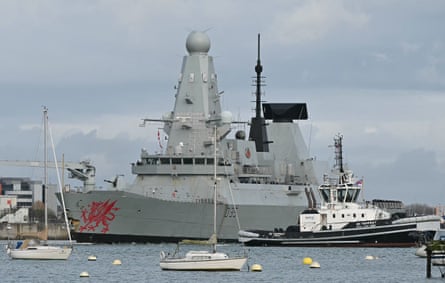
The Strait of Hormuz, a critical chokepoint for global oil shipments, has been a flashpoint of tension in the region. The potential presence of mines in the waterway has raised concerns about the safety and stability of maritime trade, prompting the need for intervention to ensure the free flow of energy resources.
By exploring the use of minesweeping drones, the UK government is demonstrating its commitment to finding a balanced and effective solution that addresses the immediate challenges while avoiding further escalation of the ongoing conflict.
This strategic move by the UK highlights the delicate balance between responding to global security concerns and maintaining diplomatic relations in the volatile Middle East. As the situation continues to evolve, the world will be closely watching the UK's actions and their potential impact on the region's stability.
Source: The Guardian

