
Minister Blasts Green Leader Over Golders Green Police Tweet

Transport Secretary Heidi Alexander criticizes Zack Polanski for retweeting post about police conduct during Golders Green arrest, questioning his leadership fitness.
The political landscape experienced significant turbulence on Friday as Transport Secretary Heidi Alexander launched a scathing critique of Green Party leader Zack Polanski, condemning his social media activity surrounding the recent Golders Green attack and police response. Alexander's remarks came during UK politics live coverage, where she expressed profound disapproval of Polanski's decision to amplify contentious allegations regarding law enforcement conduct.
Alexander's criticism centered on Polanski's retweet of a post alleging that Metropolitan Police officers engaged in excessive force during the arrest of a suspect involved in the Golders Green incident. The original post suggested that officers were "repeatedly and violently kicking a mentally ill man in the head" despite the individual already being incapacitated by a deployed stun gun. Polanski shared this content without providing editorial commentary or context, a decision that drew immediate condemnation from the government minister.
The Transport Secretary characterized Polanski's actions as both "disgusting" and "absolutely abhorrent," employing strong language to underscore the severity of her disapproval. Alexander emphasized that police officers involved in the arrest had demonstrated exceptional courage while facing a genuinely perilous situation. She highlighted that the responders were equipped only with a Taser device, which they had already deployed, while the suspect retained possession of a knife.
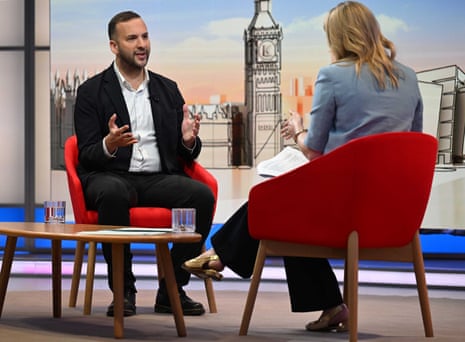
Alexander's statement provided detailed context regarding the operational circumstances confronted by law enforcement personnel during the Golders Green arrest. She emphasized that officers "ran towards danger" with limited defensive equipment, relying primarily on their professional training and personal courage to manage an inherently volatile situation. The suspect, despite already being targeted with a stun gun, maintained access to an edged weapon, creating significant risk for both the public and responding officers.
The minister articulated her broader concern about political leadership standards, arguing that Polanski's conduct fell below acceptable thresholds for someone seeking to lead a major political organization. She contended that amplifying criticism of police officers responding to a critical incident demonstrated questionable judgment and raised fundamental questions about Polanski's suitability for high-level political office.
Alexander's remarks represented an escalation in the controversy surrounding both the incident itself and the subsequent public discourse about police tactics. Her decision to personally intervene and criticize the Green Party leader suggested that government officials viewed the matter as sufficiently significant to warrant direct ministerial commentary during live political coverage.
The controversy highlighted broader tensions within British politics regarding police accountability, mental health considerations in law enforcement scenarios, and the appropriate boundaries for political commentary on active security situations. Polanski's social media activity appeared to touch upon multiple contentious issues simultaneously, triggering responses from government figures who believed the posts undermined public confidence in law enforcement agencies.
The incident also raised questions about the responsibilities of political leaders when engaging with online content critical of emergency services. Alexander's intervention suggested that government officials expected political party leaders to exercise considerable caution when addressing matters involving active police operations or ongoing criminal investigations, particularly when allegations of misconduct were involved.
This confrontation between government and opposition leadership occurred within the broader context of UK electoral politics, where questions of leadership competence and judgment frequently serve as central campaign themes. Alexander's public criticism represented an attempt to characterize Polanski as unsuitable for elevated political responsibility, a strategy designed to resonate with voters concerned about law enforcement and public safety.
The broader implications of this dispute extended beyond the immediate individuals involved, touching upon fundamental questions about how modern politicians should engage with social media platforms, particularly when addressing matters involving public safety and law enforcement conduct. Alexander's position suggested that mainstream political figures should prioritize measured discourse over rapid retweets of contested allegations.
As the controversy continued to develop, observers noted that the incident exemplified contemporary challenges facing political leaders navigating rapidly evolving information environments where unverified claims spread quickly across digital platforms. The Transport Secretary's intervention highlighted government concerns about the potential consequences of high-profile political figures amplifying contested narratives about police conduct without providing substantive analysis or verification.
Source: The Guardian


