
Minnesota National Guard Mobilized for Raging Northern Wildfires

Governor Tim Walz deploys national guard to combat unpredictable, fast-moving wildfires in Minnesota's north as dry, windy conditions intensify the crisis.
Minnesota faces an escalating wildfire crisis as Governor Tim Walz takes decisive action to protect communities and natural resources across the state's northern regions. The deployment of the Minnesota National Guard represents a significant escalation in the state's response to what officials describe as an increasingly dangerous and unpredictable situation. The activation came following a formal request from the state's Department of Natural Resources, which determined that existing firefighting resources were insufficient to contain the rapidly spreading blazes.
Walz authorized the deployment through an executive order that officially declared a peacetime emergency throughout affected areas of northern Minnesota. This designation grants state officials expanded authority to mobilize resources, coordinate emergency response efforts, and allocate funds necessary for comprehensive wildfire suppression operations. The governor emphasized that the situation demands an immediate and substantial commitment of personnel and equipment to protect lives, property, and critical infrastructure across the region.
The northern Minnesota wildfires have proven to be particularly challenging for emergency responders due to their unpredictable nature and rapid rate of spread. Officials characterize the blazes as moving swiftly across landscapes, making containment and prediction efforts exceptionally difficult. The combination of dry conditions and strong winds has created ideal conditions for fire propagation, transforming the situation into a dynamic and volatile emergency that requires constant tactical adjustments.

Environmental conditions across northern Minnesota have deteriorated significantly in recent weeks, with sustained drought conditions reducing moisture levels in vegetation and soil. These dry conditions have transformed forests and grasslands into tinderboxes, where even small ignition sources can trigger massive fires. The weather patterns contributing to the crisis include persistent high temperatures, low humidity levels, and frequent wind events that push flames across vast distances with alarming speed.
The activation of National Guard units provides critical additional manpower for various aspects of wildfire response and management. Guard personnel can assist with evacuation operations, establish safety perimeters around affected communities, provide logistical support to frontline firefighters, and help coordinate resource distribution across multiple fire zones. Their presence also enables experienced wildland firefighters to concentrate on direct suppression efforts rather than dividing attention between containment and broader emergency management tasks.
Governor Walz's decision reflects the severity of the situation and demonstrates state government's commitment to utilizing all available resources to combat the crisis. The National Guard deployment complements ongoing efforts by state firefighting agencies, local fire departments, and federal resources that have already been mobilized to address the emergency. This multi-layered response approach ensures that response efforts are comprehensive and coordinated across jurisdictional boundaries.
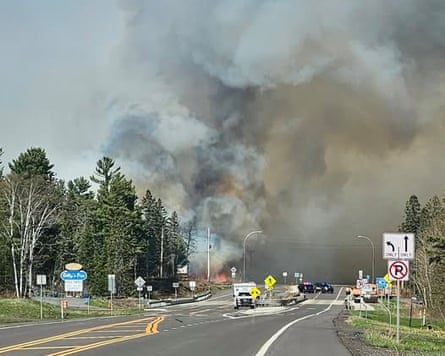
Communities across northern Minnesota have been placed on high alert as officials urge residents to prepare for potential evacuations and implement preventive measures around their properties. Local emergency management agencies have established evacuation zones, opened shelters for displaced residents, and disseminated detailed information about evacuation procedures and emergency contact numbers. Public safety officials continue monitoring fire behavior closely and provide regular updates to residents about changing conditions and new threats.
The wildfire emergency has prompted increased public awareness about fire safety practices and the importance of maintaining defensible space around homes and structures. Residents are being advised to clear vegetation from roof gutters, trim tree branches away from buildings, and maintain adequate spacing between trees and structures. These preventive actions can significantly reduce the risk of structures being damaged or destroyed if wildfires approach populated areas.
The National Guard deployment also addresses critical infrastructure concerns, including protecting power generation facilities, transmission lines, water treatment plants, and communication systems that support the broader region. Ensuring continuity of essential services remains a top priority for emergency managers coordinating the response effort. The guard units are positioned to respond quickly to threats against critical infrastructure while also supporting civilian evacuation and sheltering operations.
State and federal agencies have established unified command centers to coordinate firefighting operations, share real-time intelligence about fire behavior, and allocate resources based on the most pressing needs. This coordination mechanism enables rapid decision-making and ensures that available resources are deployed to the areas where they will have the greatest impact. Regular briefings update all stakeholders about current conditions, forecasted fire behavior, and anticipated resource requirements.
Governor Walz's administration has also initiated discussions with neighboring states and federal agencies about potential mutual aid agreements and resource sharing arrangements. These partnerships expand the available pool of firefighting equipment, personnel, and expertise that can be mobilized to support Minnesota's response efforts. Interstate cooperation has proven invaluable during previous wildfire emergencies and remains a cornerstone of the state's emergency management strategy.
The deployment of the Minnesota National Guard to combat these wildfires demonstrates the state's commitment to protecting its residents and natural resources during a critical emergency. As conditions continue to evolve and weather patterns shift, emergency managers will continue assessing resource needs and making adjustments to response strategies as necessary. The peacetime emergency declaration ensures that all available tools and authorities can be employed to bring the situation under control and minimize damage to communities and ecosystems across northern Minnesota.
Looking forward, state officials are already planning for long-term recovery and restoration efforts that will be necessary once the immediate crisis concludes. Environmental restoration, infrastructure repair, and community recovery support will require sustained effort and resources in the months and years ahead. The lessons learned from this emergency will inform future preparedness efforts and help shape more resilient wildfire response capabilities throughout Minnesota.
Source: The Guardian


