
Missing Italian Divers Found Dead in Maldives Cave

Two missing Italian divers have been discovered deceased inside a remote underwater cave in the Maldives. Specialist recovery teams located their bodies in the deepest chamber.
A tragic discovery has unfolded in the Maldives as the bodies of two missing Italian divers were recovered from within a submerged cave system. The Italian divers were located in the deepest and most remote chamber of the underwater cave by specialized recovery teams who braved dangerous conditions to retrieve their remains. This devastating incident has sent shockwaves through the international diving community and raised serious questions about cave diving safety protocols in popular tourist destinations.
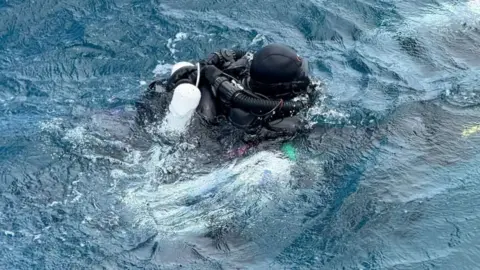
The recovery operation itself represented a significant logistical and technical challenge for the authorities involved. Specialist divers who are trained in the complexities of cave diving and underwater body recovery were brought in to navigate the treacherous underwater passages. The cave's deepest chamber, where the bodies were ultimately discovered, posed extraordinary risks to rescuers who had to carefully manage their air supplies, navigate tight passages, and handle delicate remains in an extremely challenging environment. The operation required meticulous planning and coordination between multiple agencies and diving specialists.
The two deceased were among four divers who had ventured into the cave system, making this tragedy even more complex as it involved multiple individuals at varying levels of risk during the incident. The circumstances surrounding how the divers became trapped or encountered fatal difficulties remain under investigation by local authorities. Understanding the exact sequence of events that led to this cave diving accident is critical for improving safety measures and preventing similar tragedies in the future.
Cave diving is widely recognized as one of the most dangerous forms of recreational diving due to multiple compounding risk factors. The activity requires divers to navigate through underwater passages without direct access to the surface, meaning they cannot simply ascend if an emergency arises. Tight spaces, zero visibility in many sections, strong currents, and the psychological pressure of being in enclosed underwater environments all contribute to the inherent dangers of cave diving in the Maldives and similar locations around the world.
The Maldives, while famous for its stunning coral reefs and world-class diving destinations, has become increasingly popular among experienced divers seeking more challenging underwater experiences. The country's geological formations include numerous underwater cave systems that attract adventure seekers from around the globe. However, these same features that make the Maldives attractive to divers also present significant hazards, particularly when environmental conditions deteriorate or divers find themselves in situations beyond their training and expertise.
The recovery of the two bodies marks a solemn conclusion to a search and rescue operation that likely involved days of intensive effort. Underwater body recovery in cave systems requires specialized equipment including rebreathers, specialized lighting systems, and navigation aids that help divers maintain orientation in complete darkness. The psychological demands on recovery divers cannot be overstated, as they must maintain focus and composure while working in extremely confined spaces at significant depths.
This tragic incident underscores the importance of rigorous training requirements for cave diving activities. Many diving organizations and safety advocates have long emphasized that cave diving should only be attempted by divers with extensive experience, proper certifications, and thorough knowledge of emergency procedures. The distinction between recreational diving and technical cave diving is critical, as the latter requires a completely different skill set and mindset than traditional open-water diving.
The Italian diving community has been deeply affected by this tragedy, as it represents a loss that resonates throughout the international diving world. Italy has a rich maritime heritage and a strong tradition of diving culture, making this incident particularly poignant for Italian divers and diving organizations. The tragedy serves as a stark reminder of the inherent risks associated with exploration diving in extreme environments.

Local authorities in the Maldives have been working to investigate the circumstances that led to the fatal incident. Understanding what went wrong—whether it was equipment failure, disorientation, air supply issues, or other factors—will be crucial for improving safety protocols at popular diving sites. The investigation will likely involve interviews with the surviving divers, examination of equipment, and analysis of the cave system itself to understand the specific hazards that may have contributed to the tragedy.
The incident has sparked broader conversations about diving safety standards in the Maldives and whether more stringent regulations should be implemented for cave diving operations. Tourism operators and diving schools in the region face mounting pressure to demonstrate that they prioritize safety and adhere to international standards. Questions have been raised about whether divers are being adequately screened for cave diving experience and whether guides are properly trained in rescue procedures.
Family members of the deceased divers are grieving the loss of their loved ones who ventured into a dangerous environment pursuing their passion for diving. The emotional impact of such tragedies extends far beyond the immediate victims, affecting families, friends, colleagues, and the broader diving community. The loss serves as a tragic reminder that adventure activities, no matter how thrilling, carry inherent risks that must be carefully managed and respected.
Going forward, this incident will likely influence how diving operations in the Maldives approach safety protocols and risk management. Cave diving safety may require enhanced training requirements, mandatory equipment inspections, stricter limits on group sizes, or other regulatory measures. The goal of any safety improvements will be to reduce risk while still allowing experienced divers to explore these unique underwater environments.
The recovery of the two bodies represents the conclusion of an active search and rescue operation, but the investigation into what caused the incident will continue for some time. Authorities will compile detailed reports documenting the findings, recommendations, and lessons learned from this tragedy. These reports will be valuable not only for local authorities but for the international diving community, which can benefit from understanding the specific circumstances and factors that contributed to the fatal incident.
Source: BBC News


