
Mob Kills Mother and Baby Over Witchcraft Claims in India

A devastating tragedy unfolds as a mother and infant are burned alive by a mob following witchcraft allegations in an Indian village. Community tensions escalate.
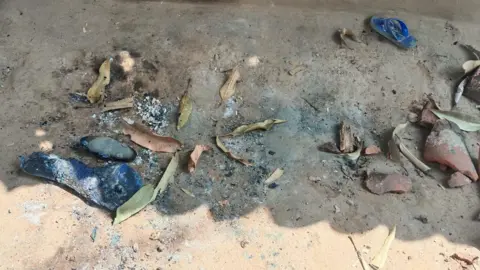
A horrific incident of mob violence claimed the lives of a mother and infant in an Indian village after deadly rumors of witchcraft practices spread through the local community. Eyewitness accounts describe a frenzied mob that descended upon the woman's residence, ultimately leading to a tragic outcome that has shocked the nation and highlighted ongoing issues with superstition-based violence in rural areas.
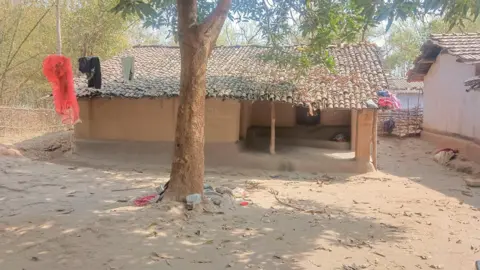
According to local testimonies, the violence erupted when unsubstantiated allegations began circulating that the victim was engaging in witchcraft activities. The rumors quickly gained momentum within the tight-knit village community, creating an atmosphere of fear and suspicion that ultimately proved fatal. Witnesses reported seeing groups of agitated residents gathering outside the woman's home before the situation escalated beyond control.
The mob violence represents a deeply troubling pattern that continues to plague certain regions of India, where ancient superstitions and modern legal frameworks often clash with devastating consequences. Local authorities have launched a comprehensive investigation into the incident, working to identify and apprehend those responsible for orchestrating and participating in this heinous act of vigilante justice.
Community leaders and human rights advocates have expressed outrage over the incident, calling for immediate action to address the underlying social issues that enable such tragedies to occur. The case highlights the urgent need for education and awareness programs designed to combat harmful superstitions and protect vulnerable members of society from baseless accusations.
The tragic deaths have reignited national discussions about superstition-based violence and the effectiveness of existing legal protections for individuals targeted by such accusations. Legal experts point out that while India has laws specifically designed to prevent crimes related to witchcraft allegations, enforcement remains inconsistent, particularly in remote rural areas where traditional beliefs often supersede modern legal principles.
Social workers familiar with the region explain that witchcraft accusations frequently target marginalized individuals, particularly women living alone or those who may be perceived as different by their communities. Economic factors, land disputes, and personal vendettas are often masked behind accusations of supernatural practices, creating a dangerous environment for vulnerable populations.
The incident has prompted renewed calls from civil rights organizations for comprehensive educational initiatives aimed at dispelling harmful superstitions and promoting rational thinking in rural communities. Activists argue that only through sustained efforts to address the root causes of such beliefs can similar tragedies be prevented in the future.
Local police officials have confirmed that multiple arrests have been made in connection with the case, and investigations are ongoing to identify all individuals involved in the mob action. The authorities are also working to strengthen security measures in the area to prevent any potential retaliation or further violence related to the incident.
The broader implications of this tragedy extend beyond the immediate community, serving as a stark reminder of the work still needed to combat deep-rooted superstitions that continue to claim innocent lives across various regions of India. Government officials have announced plans to review and potentially strengthen existing legislation aimed at preventing superstition-related crimes.
Educational institutions and non-governmental organizations are being called upon to intensify their efforts in promoting scientific thinking and rational decision-making in rural communities. The focus is on creating sustainable programs that can effectively challenge long-held beliefs while respecting cultural sensitivities and traditions that do not pose harm to individuals.
The international community has also taken notice of this incident, with human rights organizations calling attention to the ongoing challenges faced by vulnerable populations in regions where superstitious beliefs continue to hold significant influence over community behavior and decision-making processes.
As the investigation continues, the tragic loss of the mother and infant serves as a powerful catalyst for examining the complex intersection of tradition, superstition, and modern justice systems. The case underscores the critical importance of protecting individuals from mob justice while working to address the underlying social and educational factors that contribute to such devastating outcomes.
Source: BBC News


