
Modi Calls for Work-From-Home Push Amid Iran Tensions

Prime Minister Modi urges Indians to work from home and limit foreign travel as regional tensions escalate, citing fuel conservation and foreign exchange preservation.
Prime Minister Narendra Modi has issued a significant call to action for Indian citizens and businesses, urging them to embrace work-from-home arrangements and reconsider international travel plans in light of escalating tensions in the Middle East involving Iran. The directive, framed within the broader context of economic prudence, reflects the government's proactive approach to managing potential disruptions to India's energy security and economic stability during periods of regional geopolitical uncertainty.
The Prime Minister emphasized that these austerity measures represent a practical strategy to mitigate the impact of volatile global conditions on the Indian economy. By encouraging remote work arrangements, Modi highlighted that India can substantially reduce its fuel consumption at both the national and individual levels. This reduction in fuel usage carries multiple dimensions of benefit, ranging from decreased pressure on India's petroleum imports to measurable environmental advantages through reduced carbon emissions from transportation.
The appeal to limit foreign travel extends beyond mere convenience considerations. International travel, particularly by air, constitutes a significant component of India's foreign exchange expenditure. When citizens reduce overseas trips, the cumulative effect translates into measurable savings of precious foreign currency reserves. This economic rationale underscores the government's dual concern with both immediate energy security and longer-term macroeconomic stability, particularly given India's substantial reliance on imported crude oil to meet domestic energy demands.
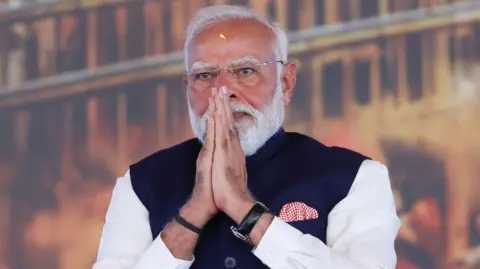
The geopolitical backdrop for these recommendations involves the ongoing tensions between Iran and other regional actors, which have the potential to disrupt global energy supplies and shipping routes critical to India's import-dependent energy sector. India, as one of the world's largest oil importers, remains particularly vulnerable to any disruption in crude oil supplies or spike in global petroleum prices. The Middle Eastern region supplies a substantial portion of India's crude oil requirements, making stability in this region a matter of direct national interest and economic concern.
The work-from-home initiative promoted by Modi gains particular relevance in India's rapidly growing information technology and business process outsourcing sectors. These industries have demonstrated significant capacity for remote work operations, and India's skilled workforce in these sectors can maintain productivity levels while significantly reducing commuting-related fuel consumption. The initiative also aligns with post-pandemic trends that have normalized remote work arrangements across numerous sectors of the Indian economy.
Modi's emphasis on fuel conservation as a collective national responsibility resonates with India's long-standing concerns about energy independence and security. The country has consistently pursued policies aimed at diversifying energy sources and reducing import dependency. These individual-level conservation measures, while seemingly modest, contribute meaningfully to aggregate national fuel savings when implemented across India's vast population of over 1.4 billion people and a growing corporate sector.
The foreign exchange preservation dimension of Modi's appeal addresses a critical concern for India's central bank and economic policymakers. Foreign exchange reserves provide a crucial buffer against external economic shocks and currency volatility. By encouraging citizens to reduce foreign travel, the government seeks to minimize outflows of precious foreign currency at a time when regional instability could potentially impact India's export sectors and overseas remittance inflows. This multifaceted economic approach demonstrates sophisticated understanding of macroeconomic interconnections.
Business leaders and corporate sector representatives have begun responding to the government's appeal by evaluating their operational frameworks. Many companies have recognized the potential benefits of expanding remote work policies, not only in response to the government's suggestion but also due to the documented productivity and cost advantages of flexible work arrangements. This corporate flexibility enhances India's capacity to implement the Prime Minister's recommendations effectively across the economy.
The timing of Modi's statements reflects the government's preparedness approach to potential economic disruptions. Rather than waiting for crises to materialize, Indian policymakers are encouraging proactive adjustments that can cushion the economy against external shocks. This preventive strategy has become increasingly important in an era of heightened geopolitical volatility and interconnected global economic systems where regional tensions can have far-reaching consequences.
The appeal also carries cultural and patriotic dimensions, as Modi frames individual conservation efforts as contributions to national resilience and security. This framing encourages citizens to view their personal choices regarding travel and commuting not merely as individual lifestyle decisions but as meaningful participation in broader national economic and security objectives. Such messaging has proven effective in mobilizing public cooperation for national priorities in India's political context.
Environmental considerations further strengthen the rationale behind the government's recommendations. Reduced transportation fuel consumption directly translates into lower greenhouse gas emissions, supporting India's climate change mitigation commitments and sustainability objectives. The intersection of economic prudence, energy security, and environmental protection creates a compelling case for the adoption of remote work practices and reduced travel across Indian society.
As regional tensions continue to evolve, the Indian government's multifaceted approach combining energy conservation, foreign exchange management, and economic resilience demonstrates sophisticated policymaking. The success of Modi's appeal will likely depend on sustained cooperation from both the corporate sector and individual citizens, who must embrace behavioral changes that contribute to collective national objectives during periods of geopolitical uncertainty.
The broader implications of these recommendations extend to India's long-term energy policy and economic development strategy. By normalizing remote work and conscious travel choices during periods of uncertainty, India may establish sustainable practices that persist even after immediate geopolitical tensions subside. This could accelerate India's transition toward more efficient economic structures less vulnerable to external energy shocks.
Source: BBC News


