
Modi Hosts Major AI Summit as Global South Eyes Tech Control

Silicon Valley CEOs from Google, OpenAI, and Anthropic join world leaders in Delhi for India's AI Impact Summit, reshaping global technology governance.
The global artificial intelligence landscape is witnessing a significant power shift as Silicon Valley executives prepare to converge in India's capital for what promises to be one of the most influential technology gatherings of the year. Prime Minister Narendra Modi's ambitious AI Impact Summit represents India's bold attempt to position itself as a leading voice in artificial intelligence governance, bringing together an unprecedented mix of tech titans and emerging economy leaders.
The week-long conference will see Google executives, along with leadership from cutting-edge AI companies Anthropic and OpenAI, engaging directly with government officials from across the global south. This unique gathering underscores the growing recognition that artificial intelligence's future cannot be determined solely by Western tech giants, but must include perspectives from nations representing billions of people worldwide.
The stark economic contrasts among attendees highlight the complex dynamics at play in global AI development. While tech companies attending the summit boast market capitalizations exceeding trillions of dollars, many participating nations like Kenya and Indonesia have average monthly wages below $1,000. This disparity raises critical questions about equitable access to AI benefits and the need for inclusive development approaches.
Modi's initiative comes at a crucial juncture when artificial intelligence governance frameworks are still being established globally. India, with its massive population, growing tech sector, and strategic geopolitical position, is uniquely positioned to bridge the gap between Silicon Valley's innovation capabilities and the global south's developmental needs and concerns.
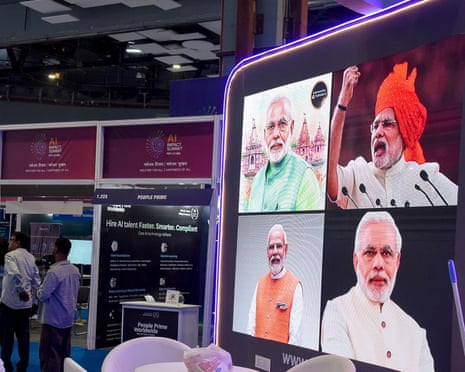
The summit's agenda extends far beyond typical tech conferences, encompassing discussions on AI safety, ethical development, and ensuring that emerging technologies serve diverse global populations rather than exacerbating existing inequalities. Thousands of participants, including AI safety experts, government officials, and technology executives, will engage in sessions designed to shape the future trajectory of artificial intelligence deployment worldwide.
India's approach to hosting this summit reflects its broader strategy of positioning itself as a leader among developing nations while maintaining strong ties with major technology companies. The country's own rapidly expanding digital infrastructure and growing AI research capabilities provide a compelling backdrop for these high-stakes discussions about technology's role in global development.
The participation of OpenAI leadership is particularly significant given the company's central role in the current AI revolution through its ChatGPT platform and advanced language models. Their presence, alongside competitors from Google and Anthropic, suggests that major AI developers recognize the importance of engaging with diverse global stakeholders as they continue to advance their technologies.
For participating African and Southeast Asian nations, the summit represents an opportunity to assert their voices in conversations that have historically been dominated by wealthy Western countries and their technology companies. These nations bring unique perspectives on how AI can address challenges such as healthcare delivery, educational access, and economic development in resource-constrained environments.

The timing of this gathering is particularly strategic, occurring as various international bodies and governments are developing regulatory frameworks for artificial intelligence. India's position as both a major technology producer and a developing nation gives it credibility to facilitate discussions between sometimes competing interests of innovation and regulation.
Economic implications of the summit extend beyond immediate policy discussions, as participating companies may announce new investments, partnerships, or initiatives specifically targeted at emerging markets. The concentration of decision-makers from both private and public sectors creates unprecedented opportunities for deal-making and strategic alignment.
The week's proceedings will likely address critical questions about data sovereignty, algorithmic bias, and ensuring that AI development reflects diverse cultural and social values rather than predominantly Western perspectives. These discussions are essential as AI systems become increasingly integrated into daily life across different societies and economic contexts.
India's technological infrastructure, including its robust digital identity system and growing startup ecosystem, provides practical examples of how emerging economies can leverage technology for large-scale social and economic transformation. These real-world implementations offer valuable case studies for other developing nations seeking to harness AI's potential while managing associated risks.
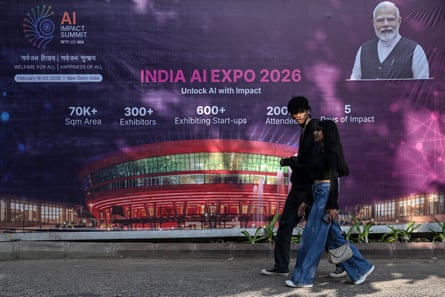
The summit also highlights the evolving nature of international technology diplomacy, where bilateral relationships increasingly depend on cooperation in digital domains rather than traditional trade or military partnerships. Countries' positions on AI governance may influence their broader geopolitical alignments and economic opportunities in an increasingly digital global economy.
For Silicon Valley companies, engagement with global south leaders represents both opportunity and necessity. As growth markets for AI applications increasingly lie outside traditional Western markets, understanding local needs, regulatory environments, and cultural contexts becomes crucial for sustained expansion and acceptance.
The week's discussions will likely produce concrete outcomes, including potential joint initiatives, research partnerships, and policy recommendations that could influence international AI governance frameworks. The unique composition of attendees – combining technological expertise with diverse governmental perspectives – creates conditions for innovative approaches to global AI challenges.
As the summit unfolds, observers worldwide will be watching for signals about how artificial intelligence development might become more inclusive and globally representative, potentially reshaping power dynamics in the technology sector and international relations more broadly.
Source: The Guardian


