
Modi Urges Indians to Cut Gold Purchases and Foreign Travel

Prime Minister Modi encourages Indians to reduce gold buying and foreign holidays to conserve dollars amid economic pressures and currency challenges.
Indian Prime Minister Narendra Modi has launched a significant push to encourage citizens to curtail discretionary spending on gold purchases and foreign holidays, as the nation grapples with mounting economic pressures and currency volatility. The appeal reflects growing concerns about the rupee's weakness and the broader implications of sustained geopolitical tensions that continue to reverberate through global markets, affecting India's economic stability and foreign exchange reserves.
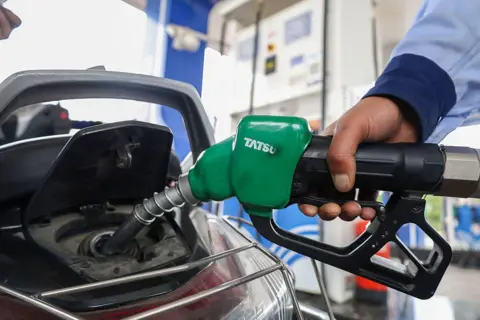
The initiative stems from a complex confluence of factors that have created headwinds for India's economy. Persistent oil price shocks, driven by ongoing conflicts and supply chain disruptions in key energy-producing regions, have significantly strained India's import bill and widened the current account deficit. Additionally, the weakening rupee against major international currencies reflects investor concerns about the broader economic outlook, making imported goods more expensive and threatening inflation trajectories that have already challenged policymakers throughout the fiscal year.
Modi's message carries particular weight given India's deeply embedded cultural relationship with gold, which has historically served as a store of value and a cornerstone of social traditions, particularly in wedding ceremonies and festival celebrations. The government's appeal directly confronts these cultural norms, essentially asking Indians to prioritize national economic interests over long-standing personal spending habits. This represents a notable shift in messaging, as previous administrations have generally avoided making such direct requests to citizens regarding their consumption patterns.
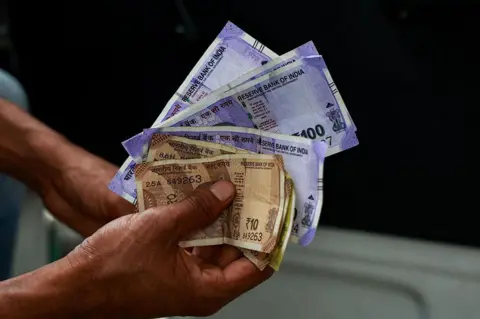
The pressure on the rupee has intensified concerns among policymakers about the sustainability of India's current account position. When Indian residents purchase gold or travel abroad, they require foreign currency to complete these transactions, thereby drawing down the nation's precious foreign exchange reserves. With geopolitical tensions showing no signs of abatement and energy markets remaining volatile, India faces a genuine challenge in maintaining adequate reserves to cover essential imports and meet international obligations.
The gold consumption angle deserves particular scrutiny, as India remains one of the world's largest consumers of the precious metal. Traditionally, Indian households have viewed gold as an essential component of their investment portfolios and cultural heritage. However, the surge in global gold prices, combined with the weakening rupee, has made gold imports increasingly expensive in rupee terms, contributing meaningfully to India's trade deficit. By encouraging reduced gold purchases, Modi's government hopes to decrease import demand and thereby preserve precious dollar reserves for more critical economic needs.
The appeal to reduce foreign travel addresses another significant drain on foreign exchange. As Indian incomes have risen and international travel has become more accessible, outbound tourism from India has grown substantially. While this represents a positive sign of rising living standards, it simultaneously creates pressure on the nation's balance of payments. Each foreign holiday undertaken by an Indian resident requires currency conversion and foreign spending, ultimately affecting the nation's external accounts and reserve position.
Modi's message also reflects broader concerns about economic stability and growth prospects. The combination of elevated oil prices and a weakening rupee creates an inflationary backdrop that can constrain consumer purchasing power and potentially dampen the robust growth rates that India has achieved in recent years. By encouraging voluntary restraint on discretionary foreign spending, the government hopes to ease pressure on the currency and preserve macroeconomic equilibrium without resorting to more stringent policy measures.
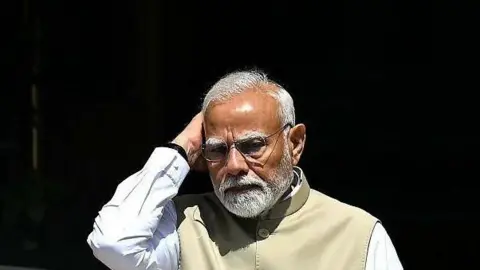
The government's strategy also contains an implicit appeal to national consciousness and patriotism. By framing reduced gold purchases and limited foreign travel as contributions to national economic security, Modi's administration attempts to transform what could be perceived as belt-tightening into an act of collective responsibility. This messaging approach acknowledges the deep patriotic sentiments among Indian citizens while appealing to their understanding of economic interdependence.
Economists have offered varying assessments of the initiative's likely effectiveness. Some analysts contend that voluntary appeals, while symbolically important, may have limited impact on actual consumer behavior, particularly among affluent Indians for whom gold purchases and foreign travel represent meaningful lifestyle components. Others argue that the messaging can contribute to shifting consumer expectations and cultural attitudes around discretionary spending, potentially creating modest but meaningful reductions in foreign exchange outflows over time.
The current account deficit remains a central preoccupation for Indian policymakers, as persistent imbalances can constrain economic growth and limit the government's policy flexibility. Every reduction in non-essential foreign spending contributes, however modestly, to ameliorating these external imbalances. Moreover, the psychological impact of the government's appeal might encourage broader consciousness about consumption patterns and their national implications.
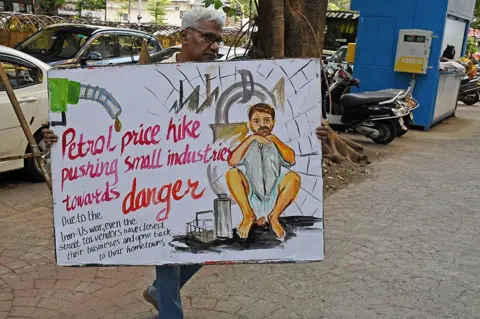
The timing of Modi's appeal coincides with a period of significant uncertainty in global energy markets and geopolitical affairs. Major oil-producing regions continue to face instability, and the ramifications of these conflicts extend far beyond their immediate geographic boundaries. For an energy-importing nation like India, any disruption in oil supply or surge in prices directly translates to increased import costs and pressure on the rupee. The government's proactive messaging attempts to address these vulnerabilities before they become acute constraints on economic policy.
Looking forward, the success of Modi's initiative will likely depend on multiple factors beyond the government's direct control, including global energy price trajectories, the intensity of geopolitical tensions, and the broader health of global financial markets. However, the appeal itself represents an important acknowledgment of the economic challenges facing India and a clear signal that policymakers recognize the importance of managing external accounts in an uncertain global environment. Whether Indian consumers will significantly alter their behavior in response to this voluntary appeal remains an open question that will unfold over the coming months.
Source: BBC News


