
Morrisons Supermarket Fined £750k Over Filthy Bakery

Welsh Morrisons supermarket faces £750,000 fine for serious bakery hygiene failures. Judge rules systemic issues, not isolated incidents, were responsible.
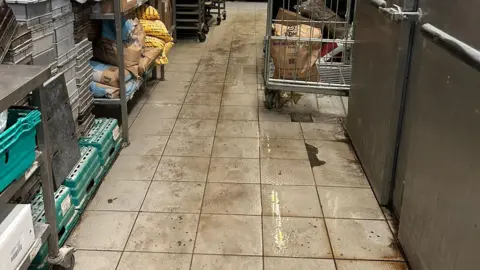
A Morrisons supermarket in Wales has been handed a substantial £750,000 fine following a comprehensive investigation into serious food hygiene violations discovered within its bakery department. The penalty, handed down by a presiding judge, represents one of the most significant enforcement actions taken against the major UK retailer in recent years, highlighting the gravity of the breaches identified during inspections.
The judge presiding over the case made clear that this was not a matter of isolated misconduct by a handful of employees acting irresponsibly. Instead, the ruling emphasized that the violations revealed systemic failures throughout the bakery operation, suggesting that management oversight and food safety protocols had fundamentally broken down across multiple levels of the organization. This distinction proved crucial in determining the severity of the penalties imposed.
Environmental health officers conducting the initial inspection discovered numerous contraventions of food safety legislation within the bakery section of the store. The hygiene breaches ranged from inadequate cleaning procedures to improper storage conditions and insufficient temperature control measures. These findings prompted a full investigation into how such conditions had been permitted to persist without intervention from store management.

The investigation revealed that proper food safety training had not been adequately provided to bakery staff, and documented procedures for maintaining hygiene standards were either absent or not being followed consistently. Supervisory checks that should have caught these problems appeared to have been inadequate or non-existent in many instances. The judge noted that these factors combined to create an environment where substandard practices became normalized rather than exceptional.
Morrisons, as a major supermarket chain operating hundreds of stores across the United Kingdom, is expected to maintain the highest standards of food safety compliance given its responsibility to millions of customers. The company has since acknowledged the serious nature of the findings and has committed to implementing comprehensive remedial measures across its bakery operations. Store management has been restructured and additional resources allocated to ensure such failures cannot recur.
The enforcement action carries significant implications for the broader retail sector, sending a clear message that regulatory bodies will pursue robust penalties when food safety standards are systematically compromised. Local authority environmental health teams have been increasingly vigilant in recent years following high-profile food safety incidents that affected public health. This case demonstrates that large corporate retailers cannot rely on their established reputation to shield them from accountability.
Industry experts have noted that the scale of the fine reflects the seriousness with which courts now treat systematic food hygiene failures. The judgment establishes important precedent regarding corporate responsibility in food retail operations. Many observers believe the penalty will prompt other supermarket chains to conduct urgent internal audits of their bakery and food preparation departments to ensure compliance with all relevant legislation.
The Welsh local authority that initiated the enforcement proceedings stated that the investigation had been thorough and that the evidence presented to the court was comprehensive. Officials emphasized their commitment to protecting consumers and ensuring that all food retailers, regardless of their size or market position, adhere to the same rigorous standards. The authority indicated that future inspections will remain vigilant across all major retail operations in their jurisdiction.
For Morrisons specifically, the financial penalty represents a substantial operational cost, but the reputational damage may prove even more significant. Consumer confidence in food safety is paramount in the competitive supermarket industry, and such incidents can influence purchasing decisions and brand loyalty. The company has undertaken to provide detailed reports on the corrective actions implemented to the relevant oversight bodies.

Food safety experts have highlighted that bakery departments present particular challenges in supermarket environments due to the complexity of operations, the need for rapid product turnover, and the multiple stages of food preparation involved. Without adequate training, supervision, and documented procedures, these environments can quickly become breeding grounds for contamination and health hazards. The case serves as a stark reminder of why investment in proper infrastructure and staff development remains essential.
The broader retail sector has taken note of this enforcement action, with industry bodies emphasizing the importance of robust internal compliance frameworks. Trade associations have recommended that all members conduct immediate self-assessments of their food safety protocols, particularly in areas like bakeries where direct food handling occurs. The message is clear: regulatory scrutiny is intensifying, and penalties for systematic failures will continue to escalate.
Looking forward, this case may influence how supermarket chains allocate resources toward food safety initiatives. Investment in staff training programs, upgraded facilities, and more frequent internal audits are likely to increase across the industry as retailers seek to avoid similar enforcement actions. The £750,000 fine to Morrisons serves as both a cautionary tale and a catalyst for industry-wide improvements in hygiene standards and food safety management.
The resolution of this case represents an important outcome for regulatory authorities tasked with protecting public health through food safety enforcement. It demonstrates that even major corporations with substantial resources and established operations will face serious consequences when they fail in their fundamental responsibility to ensure the food they sell is safe for consumption. Moving forward, both Morrisons and other retailers will likely view food safety investment not merely as a compliance obligation but as a critical business imperative that directly impacts their license to operate.
Source: BBC News

