
Mortal Kombat II Review: Beyond Camp Entertainment

Mortal Kombat II delivers surprisingly strong filmmaking with depth beyond spectacle. Discover why it's the franchise's best movie yet in this comprehensive review.
The Mortal Kombat franchise has long struggled to translate the iconic fighting game's intense action and rich lore into compelling cinema. However, the release of Mortal Kombat II marks a significant turning point for the beloved series, proving that video game adaptations can achieve both commercial appeal and genuine artistic merit when given proper attention and resources.
From the opening moments, it becomes immediately apparent that the filmmakers understood the assignment. Rather than leaning exclusively into campy humor or overwrought melodrama, Mortal Kombat II strikes an impressive balance between honoring the source material's larger-than-life aesthetic while grounding the narrative in authentic character development and emotional stakes. This approach allows the film to function on multiple levels, satisfying both longtime franchise devotees and casual moviegoers unfamiliar with the game's mythology.
The script demonstrates genuine understanding of the tournament's significance within the broader universe. Rather than treating the martial arts competition as merely a convenient plot device, the narrative explores the philosophical and personal dimensions of combat. Characters confront not only their physical opponents but also their internal demons, past traumas, and deeply held convictions about honor, redemption, and destiny. This psychological depth elevates the entire film beyond simple spectacle.
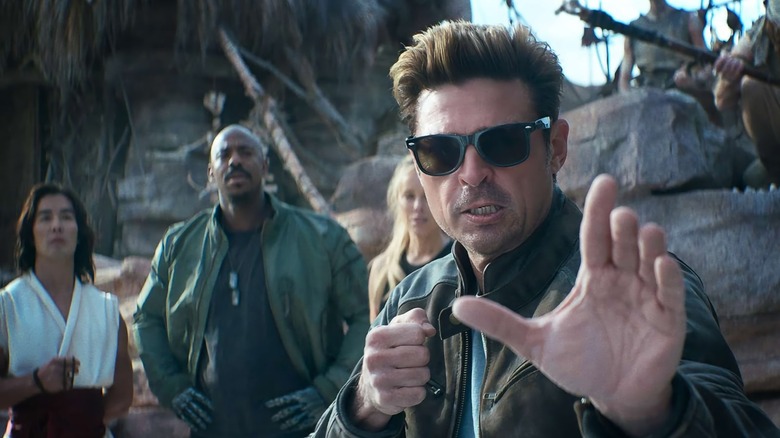
The technical execution of the fight choreography deserves particular praise. Each combat sequence has been meticulously crafted to showcase individual character styles and abilities while maintaining narrative momentum. The cinematography captures the kinetic energy of these battles without sacrificing clarity, allowing viewers to follow every punch, kick, and signature finishing move. The fight choreographer's attention to detail demonstrates respect for both the source material and the craft of martial arts filmmaking.
Visual effects in Mortal Kombat II represent a substantial leap forward for the franchise. The mystical elements that define the tournament—portals, supernatural powers, and otherworldly environments—are rendered with impressive technical sophistication and artistic vision. Rather than appearing cartoonish or disconnected from the film's tone, these fantastical elements integrate seamlessly into the world, making the supernatural feel weighty and consequential.
The ensemble cast brings considerable talent and commitment to their respective roles. Lead performances convey genuine vulnerability alongside warrior intensity, creating multidimensional characters that transcend typical action film archetypes. Supporting actors effectively develop their characters across limited screen time, making the ensemble feel like a cohesive group rather than a collection of individual fighters. The chemistry between cast members makes their relationships feel earned and emotionally resonant.
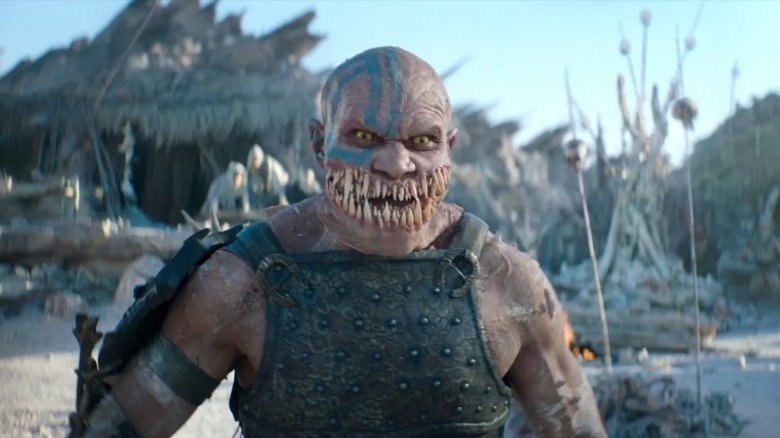
What distinguishes Mortal Kombat II from its predecessor is its commitment to storytelling sophistication. The narrative doesn't rely on exposition dumps or convoluted plot mechanics to explain the tournament's rules and stakes. Instead, information emerges organically through character interactions and world-building details that respect the audience's intelligence. This approach maintains narrative momentum while ensuring viewers understand the high stakes involved in every competition.
The film's thematic resonance provides unexpected emotional weight. Beneath the surface-level entertainment lies meaningful exploration of themes including redemption, sacrifice, legacy, and the burden of destiny. Characters make genuinely difficult choices that carry real consequences, and the narrative doesn't shy away from depicting the emotional fallout of these decisions. This thematic depth creates investment in character arcs and outcome of the tournament itself.
Cinematically, the film employs sophisticated visual language that enhances storytelling without overwhelming the narrative. Color grading reflects character emotional states and environmental significance, while camera movement guides viewer focus and emphasizes dramatic moments. The production design creates distinctive visual environments that feel both fantastical and grounded, supporting world-building without becoming distracting.
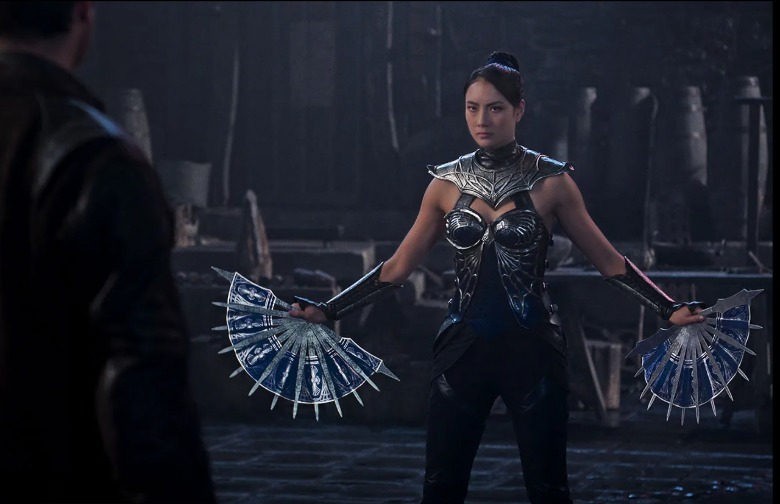
The soundtrack and sound design work in concert to create an immersive audioscape that complements the on-screen action. The music composition enhances emotional moments while amplifying the visceral impact of fight sequences. Sound effects demonstrate precision in depicting martial arts techniques, with impacts feeling weighted and consequential rather than generic or exaggerated.
Pacing represents another significant achievement. The film maintains momentum across its runtime, balancing action sequences with character development and world-building. Rather than cutting rapidly between scenes, the editing allows moments to breathe while still maintaining engagement. Slower character-driven sequences don't feel sluggish; instead, they create necessary contrast with action setpieces and develop emotional investment.
The film's handling of video game adaptation conventions demonstrates intelligence and respect for both mediums. Rather than forcing game mechanics into narrative structures where they don't belong, the filmmakers adapted the core elements—characters, abilities, tournament structure—into a framework that serves cinematic storytelling. This approach allows the film to feel authentically Mortal Kombat while functioning as standalone cinema.
Comparisons to the original film reveal substantial creative advancement. While the first movie established the franchise's cinematic presence, Mortal Kombat II refines every element—from technical execution to narrative sophistication to thematic depth. The filmmakers learned from prior efforts while avoiding the trap of simply repeating successful formulas.
The competitive tournament structure provides compelling narrative framework. As characters progress through successive matches, stakes escalate while viewer investment deepens. The tournament allows the film to explore character matchups and ideological clashes while maintaining forward momentum. This structure also honors the source material by remaining faithful to the game's core concept while adapting it for cinematic purposes.
Character development demonstrates thoughtful consideration of motivations and growth arcs. Rather than treating characters as static archetypes, the narrative explores how experiences and conflicts shape identity. Fighters enter the tournament with particular objectives and philosophies, but their interactions and match outcomes force them to confront their assumptions and evolve. This character journey adds dimension to what could have been one-dimensional warrior types.
The film's willingness to embrace both spectacle and intimacy creates dynamic pacing and tonal variety. Massive tournament sequences featuring multiple fighters transition to focused one-on-one confrontations that emphasize personal conflict. Quiet moments of character reflection balance explosive action setpieces. This tonal range prevents the film from becoming monotonous while maintaining entertainment value throughout.
In conclusion, Mortal Kombat II represents a triumph of thoughtful filmmaking applied to beloved source material. By respecting both the game franchise's essential elements and cinematic storytelling principles, the film achieves something genuinely impressive: it's entertaining, thematically rich, technically accomplished, and emotionally resonant. This is the best Mortal Kombat film ever produced, and it stands as an exemplary model for how video game adaptations can transcend their source material while remaining faithful to its spirit. For fans of the franchise and general audiences alike, Mortal Kombat II delivers compelling entertainment that satisfies on multiple levels.
Source: Engadget


