
Moss Detectives: How a Cemetery Scandal was Cracked

Discover how moss evidence helped convict grave robbers at a Chicago cemetery, highlighting the surprising forensic potential of these unassuming plants.
In a shocking case of grave desecration, employees at the Burr Oak Cemetery in the Chicago suburb of Alsip were accused in 2009 of exhuming old graves to resell the burial plots, callously dumping the remains elsewhere on the grounds. Thanks to the forensic analysis of moss evidence, the perpetrators were eventually tried and convicted in 2015.
This remarkable case, detailed in a new paper published in the journal Forensic Sciences Research, highlights the often-overlooked potential of mosses and other bryophyte plants as powerful forensic tools. As co-author Matt von Konrat, who heads the botany collections at Chicago's Field Museum, explains, "Mosses are ubiquitous, resilient, and capable of preserving timeline and habitat information in ways that complement other forensic tools."
The 2025 paper that preceded this latest research concluded that mosses have been used as evidence in forensic cases only about a dozen times over the last century. "The focus was an attempt to elevate the profile of these small, often overlooked plants," von Konrat said, underscoring the importance of recognizing and preserving botanical evidence more routinely in criminal investigations.
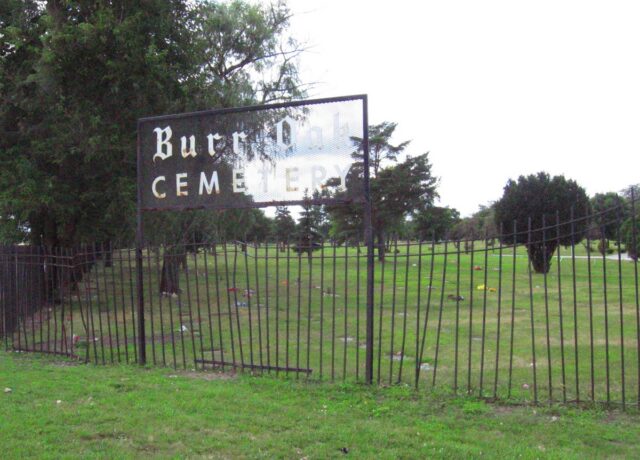
In the Burr Oak Cemetery case, the moss evidence proved crucial in linking the exhumed graves to the illicit dumping site, providing a timeline and environmental context that corroborated witness accounts and other forensic data. This holistic approach, combining botanical clues with traditional investigative techniques, led to the successful prosecution of the culprits.
The new paper not only details the specifics of the Burr Oak case but also serves as a broader call to action for the forensic community. "Mosses are ubiquitous, resilient, and capable of preserving timeline and habitat information in ways that complement other forensic tools," von Konrat emphasized. "Our recent publications help consolidate these cases into the scientific record and, we hope, encourage investigators to recognize and preserve botanical evidence more routinely."
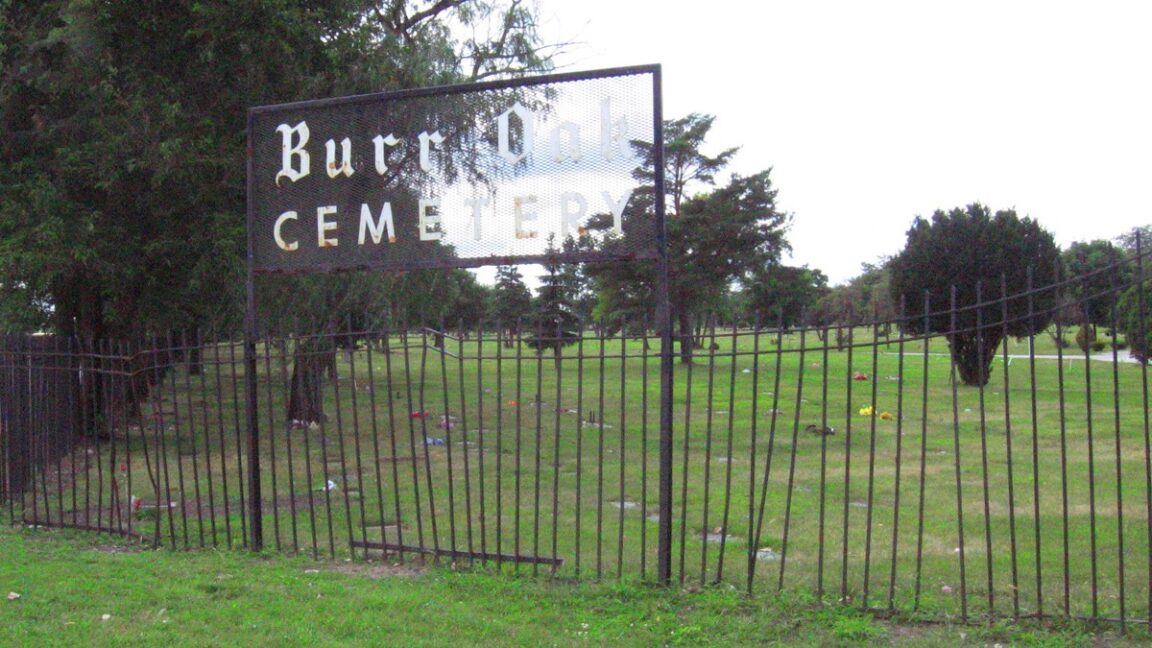
As the Burr Oak Cemetery scandal demonstrates, the humble moss can be a powerful ally in the pursuit of justice. By elevating the profile of these often-overlooked plants, researchers are opening up new frontiers in forensic science and empowering investigators to uncover the truth, no matter how deeply it may be buried.
Source: Ars Technica


