
Motorola Razr Fold: First Book-Style Foldable

Motorola launches its first book-style foldable phone with native stylus support, challenging Samsung's flagship dominance in the foldable market.
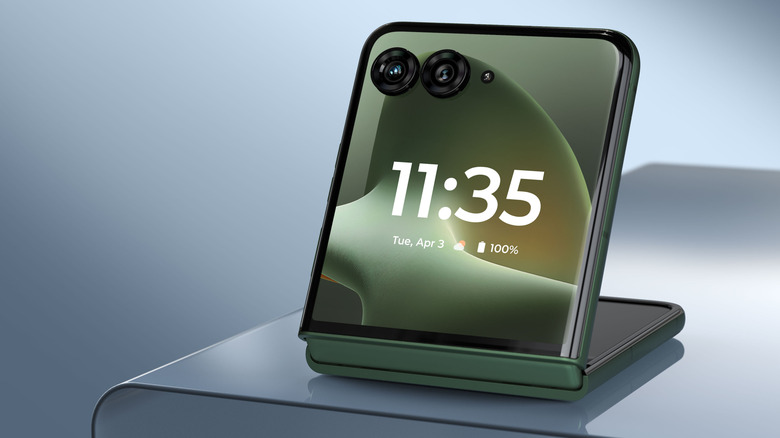
Motorola has officially entered the book-style foldable phone market with the introduction of its latest Razr family, which includes the groundbreaking Razr Fold. This strategic move represents a significant expansion of Motorola's product lineup and positions the company as a serious competitor in the rapidly evolving foldable smartphone segment. The new device brings together iconic Razr heritage with cutting-edge foldable technology, offering consumers a compelling alternative to existing options in the marketplace.
The Razr Fold represents Motorola's commitment to innovation in mobile device design, combining the brand's legendary flip-phone heritage with modern foldable display technology. Unlike some competitors in the space, Motorola's foldable features native stylus support built directly into the device, a capability that sets it apart from Samsung's current flagship offerings. This addition demonstrates Motorola's attention to productivity features and professional use cases, appealing to users who value enhanced input methods and digital creativity tools.
The stylus integration represents one of the most noteworthy advantages of the Razr Fold compared to Samsung's latest high-end foldable models. While Samsung has historically focused on touchscreen interaction and gesture controls, Motorola recognized the value proposition of native stylus support for digital artists, note-takers, and professionals who rely on precise input methods. This feature could prove decisive for users working in creative fields, business environments, or educational contexts where stylus functionality enhances productivity and user experience.

The new Motorola Razr family comprises multiple models designed to cater to different market segments and price points. This expanded lineup strategy allows Motorola to capture various consumer preferences, from budget-conscious buyers to premium enthusiasts seeking cutting-edge technology. By offering multiple options within the Razr family, Motorola can maximize market penetration and establish a comprehensive presence in the foldable phone market alongside established players.
The book-style form factor itself has become increasingly popular in the foldable smartphone market, with multiple manufacturers recognizing its appeal to consumers. This orientation, where the device opens like a book or wallet, differs from Samsung's clamshell designs and offers distinct advantages in terms of screen real estate and usability. The book-style approach provides users with a large unfolded display while maintaining a more compact pocket-friendly size when closed, striking a balance between functionality and portability.
Motorola's decision to develop a foldable device with stylus support reflects broader industry trends toward enhancing tablet-like experiences on larger screens. As foldable phones increasingly feature expansive inner displays, the inclusion of stylus technology becomes more valuable for note-taking, sketching, and other precision-based tasks. This capability transforms the foldable phone from merely a curiosity into a legitimate productivity tool for professionals and creative users across multiple industries.

The competitive landscape in the foldable phone market has intensified significantly in recent years, with multiple manufacturers investing substantial resources into this category. Samsung remains the market leader with its Galaxy Z Fold and Galaxy Z Flip series, but companies like Motorola, OnePlus, and others are rapidly advancing their offerings. Motorola's entry into the book-style foldable segment represents a meaningful challenge to Samsung's market dominance and demonstrates that innovation in this space continues to accelerate.
Native stylus support in foldable devices addresses a significant gap identified by early adopters and professionals who use Samsung's current models. Users have frequently requested stylus functionality in Samsung's foldables, with many opting to carry separate stylus pens or digital drawing devices alongside their phones. By integrating stylus support directly into the hardware and software, Motorola provides a more seamless and unified solution that appeals to this underserved segment of the market.
The Razr Fold specifications and technical details will likely play a crucial role in determining its success within the competitive marketplace. Consumers will be evaluating factors such as display quality, processing power, camera capabilities, battery life, and overall durability when comparing the Motorola offering against established competitors. Motorola's ability to deliver superior performance in these key areas could significantly influence adoption rates and market share growth.

The price positioning of the Razr Fold and other models in the family will be critical to Motorola's success in capturing market share from established competitors. Foldable phones currently occupy the premium market segment, with prices ranging from $1,500 to $2,000 or higher depending on specifications and features. Motorola's ability to offer competitive pricing while maintaining technological excellence could prove advantageous in attracting consumers who feel priced out by premium competitors.
Industry analysts and technology enthusiasts are closely monitoring Motorola's foldable strategy, recognizing it as a pivotal moment for the company's competitive position in the smartphone market. The success of the Razr Fold could establish Motorola as a genuine innovator in the foldable category rather than a late entrant following market leaders. This positioning could open doors to increased market share, brand recognition, and consumer loyalty across multiple product categories.
The broader implications of Motorola's foldable phone launch extend beyond individual product success, potentially influencing industry standards and feature expectations for future foldable devices. If stylus support becomes a standard feature across foldable phones, manufacturers may need to incorporate this capability in future models to remain competitive. This scenario could accelerate innovation and feature adoption across the entire foldable market, benefiting consumers through enhanced functionality and choice.
Looking forward, Motorola's commitment to the foldable category suggests the company views this market segment as essential to its long-term strategy and growth trajectory. As foldable technology continues to mature and prices gradually decrease, mainstream adoption may accelerate beyond current early-adopter demographics. Motorola's early and aggressive entry into this space positions the company to capitalize on anticipated growth and capture market share from competitors during the crucial expansion phase of the foldable phone category.
Source: Engadget


