
Motorola Razr Fold Review: Premium Price, Practical Concerns

Motorola's first tablet-style foldable impresses with specs and design but carries a steep $1,900 price tag. Is it worth the investment?
Motorola established itself as an early innovator in the foldable phone market when it announced its first Razr-branded foldable device back in 2019. Over the subsequent years, the company has consistently released a steady stream of foldable flip phones, each iteration bringing incremental improvements and refinements. However, the newly unveiled Razr Fold represents a significant shift in the company's foldable strategy—it marks Motorola's first ambitious foray into the tablet-style foldable category, a segment where established competitors like Samsung, Google, and others have already proven the market viability and consumer demand for larger, more expansive displays.
The competitive landscape for tablet-style foldables is already well-established, with numerous manufacturers having refined their approaches over multiple product generations. Samsung's Galaxy Z Fold series, Google's Pixel Fold, and various other competitors have spent years perfecting the formula for combining pocket-friendly dimensions with expansive tablet-like displays when unfolded. Given this maturity in the market category, Motorola's entry with the Razr Fold doesn't fundamentally revolutionize or transform the existing design paradigm. Instead, the device represents the company's interpretation of proven concepts, incorporating its own engineering decisions and design philosophy while building upon lessons learned from earlier foldable models.
Despite not breaking new conceptual ground, the Razr Fold does deliver on several fronts that consumers expect from a premium device in this category. The phone boasts flagship specifications that rival or match its competitors, ensuring powerful performance for demanding applications and multitasking scenarios. The standout feature is undoubtedly its massive foldable display that unfolds to provide genuine tablet-like real estate while remaining compact enough to fit conveniently in a standard pocket when folded. This balance between portability and display size remains one of the primary selling points of tablet-style foldables, and Motorola has clearly prioritized achieving this equilibrium.

The elephant in the room, however, is the device's pricing structure. The Razr Fold commands a premium price tag of $1,900, positioning it at the upper echelon of smartphone pricing. This substantial investment places it squarely in territory typically reserved for flagship devices with cutting-edge features and innovative technology. For context, this price point matches or exceeds many traditional flagship smartphones and places it directly in competition with other high-end foldable options from more established manufacturers. The cost represents a significant commitment for consumers, particularly when considering that traditional smartphones with exceptional capabilities can be purchased for substantially less.
Motorola has made measurable strides in addressing several traditional pain points that have historically plagued foldable phone designs. Through iterative improvements across its foldable lineup over the past five years, the company has tackled issues ranging from screen durability to hinge reliability and overall build quality. The Razr Fold benefits from these accumulated lessons and engineering refinements, potentially offering a more polished experience than earlier foldable generations. These improvements are meaningful for consumers considering the investment, as they suggest a more mature and thoughtfully engineered product.

Yet despite these refinements and impressive specifications, the Razr Fold continues to feel somewhat impractical in everyday use scenarios. Foldables inherently introduce compromises that traditional smartphones have successfully eliminated—slightly thicker profiles when folded, visible fold lines on the display, and the need for protective behaviors to preserve the delicate screen surface. The device, while undeniably cool and capturing significant attention, raises practical questions about its day-to-day utility compared to more conventional smartphones or tablets. Users might experience occasional frustration with aspects like the crease visibility when viewing content or the extra thickness when pocketing the device.
The fundamental question facing potential buyers becomes a critical one: does the "cool factor" of owning a cutting-edge foldable device justify an investment approaching two thousand dollars? This isn't merely a matter of raw specifications or features—many traditional flagship phones deliver comparable performance at lower price points. Instead, it's about whether consumers value the novelty, the technological achievement, and the status associated with owning one of the few functioning tablet-style foldables available in the market. For early adopters and technology enthusiasts who prioritize innovation and distinctive design, the answer might be yes. For practical-minded consumers focused primarily on getting maximum utility per dollar spent, the proposition becomes considerably less compelling.
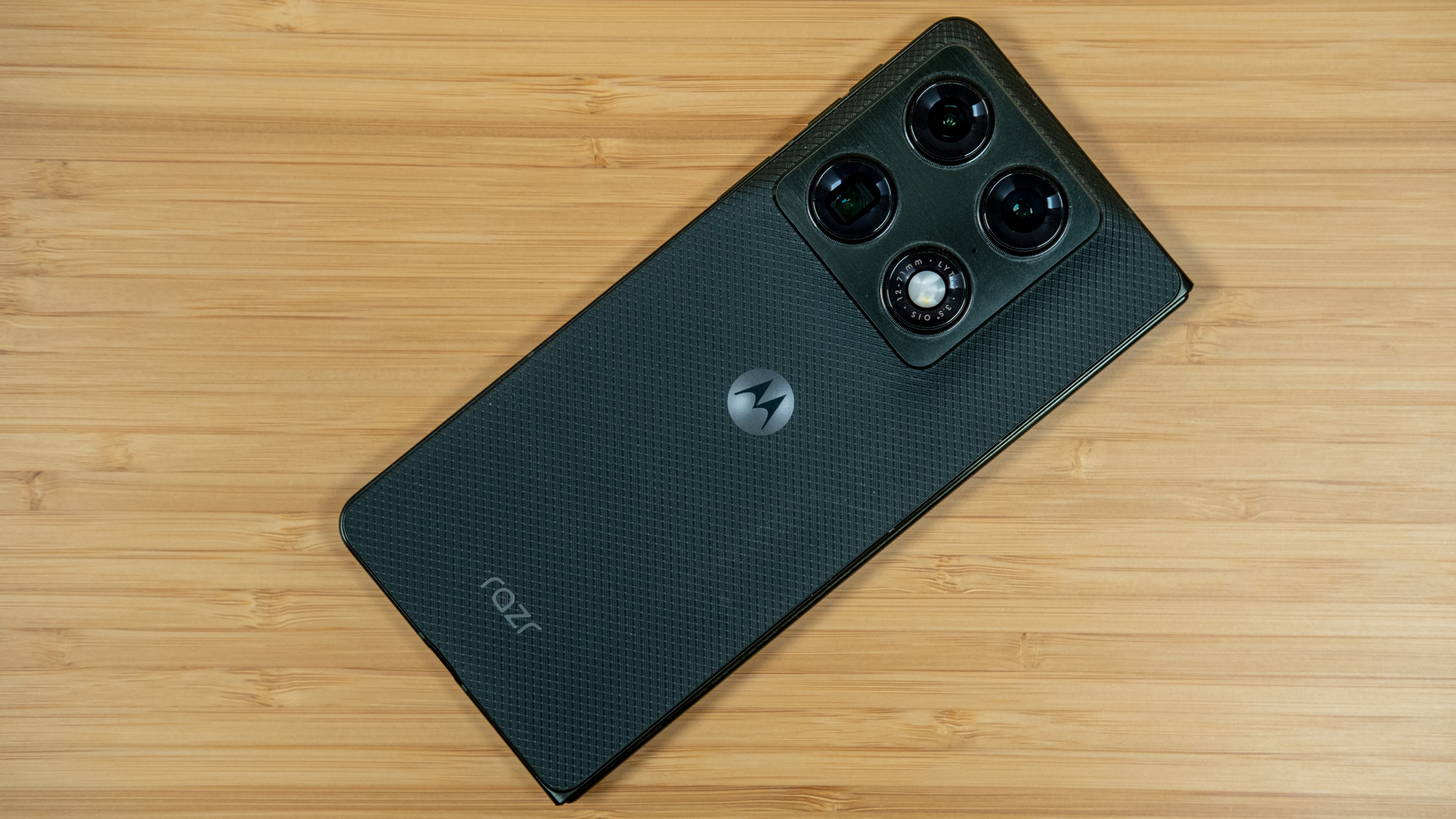
The Razr Fold exists in an interesting position within the smartphone market—it's a genuinely impressive piece of engineering that demonstrates Motorola's capability to compete in premium segments. The device showcases the company's commitment to the foldable form factor and its willingness to invest in pushing the category forward. However, it also highlights the ongoing tension between innovation and practicality in smartphone design. The question isn't whether Motorola has created a capable device—clearly, it has. Rather, the question centers on whether the innovation itself carries sufficient value to command the substantial premium over conventional flagship alternatives.
As the foldable smartphone market continues to mature and develop, manufacturers will face increasing pressure to justify these premium price points through genuinely compelling advantages beyond mere novelty. Motorola's Razr Fold represents a solid step forward for the company, demonstrating technical competence and design acumen. Whether it represents a compelling value proposition for most consumers, however, remains a more complicated and individual determination—one that likely varies significantly based on personal priorities, use cases, and budget considerations.
Source: Ars Technica


