
Musk Accuses OpenAI Lawyer of 'Trick' Tactics

Elon Musk clashes with OpenAI's legal team during intense cross-examination in his lawsuit against Sam Altman and the AI company.
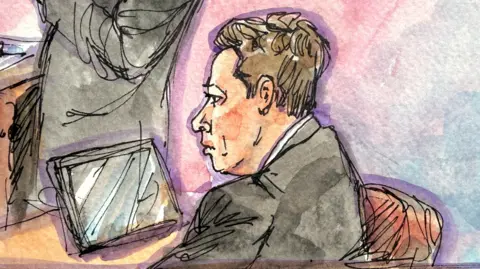
The high-stakes legal confrontation between Elon Musk and OpenAI intensified on the third day of trial proceedings, as the Tesla and SpaceX founder faced aggressive questioning from the organization's legal representatives. During the cross-examination session, tensions escalated dramatically when Musk leveled accusations that OpenAI's lawyer was deliberately attempting to manipulate his testimony through misleading questioning tactics and strategic framing of topics.
Musk's combative stance during the deposition highlighted the deeply personal nature of the dispute between the billionaire entrepreneur and his former protégé Sam Altman, who now leads OpenAI as its chief executive officer. The lawsuit at the center of this legal battle stems from Musk's contentious departure from the organization years earlier and his subsequent allegations regarding the company's deviation from its original nonprofit mission. Throughout the morning's testimony, Musk demonstrated his characteristic directness, frequently challenging the premise of questions posed by opposing counsel and refusing to accept what he viewed as unfair characterizations of his previous communications with Altman and other company leadership.
The courtroom atmosphere grew increasingly tense as exchanges between Musk and the legal team proceeded, with the entrepreneur's frustration becoming more apparent with each line of questioning. According to courtroom observers, Musk appeared visibly agitated when discussing specific emails and conversations that formed the foundation of the case, insisting that his words were being taken out of context to support OpenAI's narrative. His refusal to be pressured into agreeing with statements he deemed inaccurate demonstrated his determination to control the record regarding his involvement with and departure from the influential artificial intelligence company.
The lawsuit itself represents one of the most significant legal disputes in the technology sector in recent years, given the prominence of both parties involved and the broader implications for the AI industry. Musk's legal team has constructed their case around allegations that OpenAI abandoned its founding principles and transformed into a profit-driven entity, betraying the original vision of developing artificial general intelligence for the benefit of humanity. The cross-examination on day three appeared designed by OpenAI's counsel to undermine these claims by highlighting any inconsistencies in Musk's understanding of the company's trajectory or his own motivations for leaving.
Throughout his testimony, Musk referenced various documents and communications that he contended demonstrated OpenAI's gradual shift toward commercialization and away from its nonprofit foundation. The documents presented during cross-examination included emails between Musk and Altman that the entrepreneur claimed showed his early concerns about the direction the organization was heading. However, OpenAI's legal team attempted to reframe these same communications as evidence that Musk himself had encouraged the company to pursue profitable ventures and partnerships with major technology corporations.
The trial has attracted significant attention from industry observers, technology investors, and AI ethics advocates who view the case as a pivotal moment in determining the future relationship between profit motives and ethical considerations in artificial intelligence development. Many in the technology community see parallels between this dispute and broader debates about corporate responsibility, shareholder interests, and the role of nonprofit structures in funding cutting-edge research. The outcome of this trial could influence how other AI companies balance their charitable missions with commercial imperatives going forward.

Musk's allegations against Altman and OpenAI extend beyond mere disagreements about business strategy, touching on questions of fiduciary duty and transparency. The entrepreneur has suggested that key decisions regarding the company's structure and partnerships were made without proper consultation with all stakeholders or in accordance with the original founding documents. His legal team has positioned the case as a matter of accountability, arguing that the public deserves to know how an organization that received substantial philanthropic support and positioned itself as serving humanity's interests ultimately prioritized investor returns.
During the cross-examination, OpenAI's counsel presented evidence they claimed demonstrated that Altman and other executives had consistently informed Musk about the company's evolving business model and that the entrepreneur had ample opportunity to raise objections at earlier stages. This strategic line of questioning sought to establish that Musk's current legal action represented a revisionist attempt to rewrite history rather than a genuine grievance based on unexpected developments. The attorney's approach suggested that OpenAI intends to mount a robust defense by arguing that Musk either knew about or tacitly approved of the company's transformation.
The broader context of this trial includes the explosive growth of the AI industry following the launch of ChatGPT and the intense competition among major technology companies to develop advanced language models and other artificial intelligence capabilities. OpenAI's emergence as a leading player in this competitive landscape, partially through partnerships with major corporations including Microsoft, represents both a vindication and a source of contention regarding the company's strategic choices. From Musk's perspective, the commercialization of technology developed with his early involvement represents a missed opportunity to prioritize humanity's welfare over corporate profits.

Legal experts have noted that the testimony during the first three days of trial has established the basic narrative frameworks that both sides will use to interpret the remaining evidence. Musk's combative demeanor and his accusations of legal manipulation appear designed to convey to the jury his conviction that he has been wronged, while establishing the principle that OpenAI did not act in good faith throughout the dispute. Meanwhile, OpenAI's cross-examination strategy appears aimed at portraying Musk as an unreliable narrator with selective memory regarding his previous communications and approvals of company decisions.
As the trial continues into subsequent days, both parties will present additional evidence, including expert testimony regarding the artificial intelligence industry's evolution and standard practices for nonprofit organizations transitioning to for-profit structures. The judge and jury will ultimately need to determine whether Musk's claims of betrayal have legal merit or whether his objections to OpenAI's business decisions constitute a matter of personal disagreement rather than contractual violation or breach of fiduciary duty. The implications of this case extend far beyond the immediate parties involved, potentially setting important precedents for how technology companies manage transitions in their corporate structures and how founders can enforce ethical obligations established at organizational inception.
Source: BBC News


