
Musk Faces Lawsuit Over Alleged DOGE Power Grab

Elon Musk must defend himself against a lawsuit claiming he unlawfully seized too much power as the leader of the Department of Government Efficiency (DOGE).
Elon Musk must defend himself against a lawsuit alleging that he unlawfully seized too much power as the leader of the Department of Government Efficiency (DOGE), a judge ruled Monday.
According to the plaintiffs, Musk needed Senate confirmation before directing DOGE on drastic actions like eliminating agencies, mass firings, and steep budget cuts. Allegedly going far beyond the authority granted in President Donald Trump's most expansive DOGE executive orders, Musk took every inch of power granted and then increasingly used it to overreach unlike any presidential advisor who came before, the suit says.
In her opinion partly denying a motion to dismiss, US District Judge Tanya S. Chutkan did not buy the US government's defense that Musk held no office formally established by law—and therefore did not need Senate confirmation and cannot be alleged to have exceeded his authority under the Constitution's Appointments Clause.
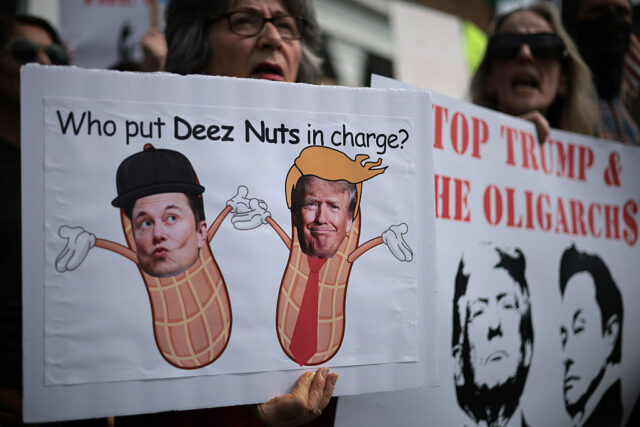
The lawsuit, brought by the State of New Mexico, alleges that Musk's actions as DOGE's de facto leader have undermined the agency's core mission and jeopardized critical government services. By sidestepping Senate oversight and wielding unprecedented executive power, the suit contends, Musk has put DOGE's entire body of work at risk of being undone.
Musk's defense team has argued that he was operating within the broad authority granted to him by President Trump's DOGE executive orders, and that he did not need formal confirmation to lead the agency. However, the judge's ruling suggests that the court is skeptical of this position and believes the plaintiffs have a plausible case.
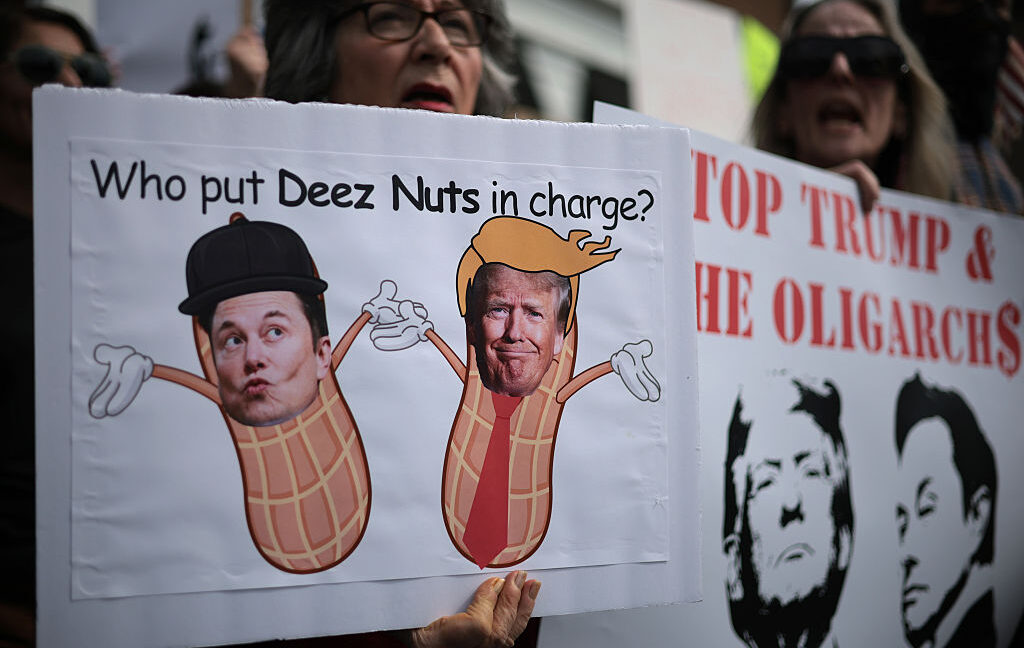
The outcome of this lawsuit could have far-reaching implications for the future of DOGE and the extent of executive power in the federal government. If Musk is found to have overstepped his bounds, it could undermine or even undo many of the sweeping changes he has made to the agency during his tenure.
Legal experts are closely watching this case, as it touches on fundamental questions of presidential authority, agency oversight, and the limits of executive power. The court's eventual ruling could set an important precedent that shapes the balance of power between the White House, Congress, and federal agencies for years to come.
Source: Ars Technica


