
Musk's 7 Critical Courtroom Blunders in OpenAI Trial

Elon Musk faced multiple setbacks during his third day testifying in the OpenAI lawsuit, making concessions and contradictions that may undermine his case.
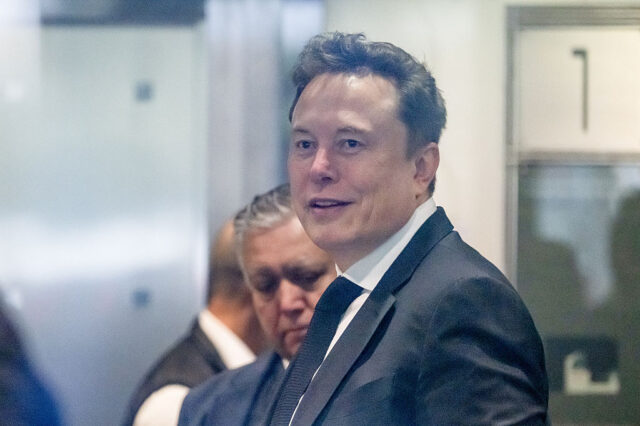
Throughout the ongoing OpenAI trial, Elon Musk has presented himself as a determined plaintiff seeking to preserve the artificial intelligence company's original nonprofit mission. However, his third day on the witness stand revealed significant vulnerabilities in his legal strategy and personal testimony. Appearing visibly fatigued and increasingly agitated, Musk found himself navigating treacherous cross-examination territory as he worked to convince the court that OpenAI has fundamentally betrayed its founding principles and should be prevented from pursuing public listing aspirations later this year.
The stakes in this high-profile litigation remain extraordinarily high, with potential consequences that could reshape the landscape of artificial intelligence development. If Musk's legal team successfully proves their case, Sam Altman could face removal from his leadership position at OpenAI, and the company would be compelled to maintain its status as a nonprofit organization indefinitely. Yet despite these ambitious objectives, Musk encountered no fewer than seven significant missteps during his testimony that legal observers believe may have substantially damaged his credibility and weakened his overall position in the lawsuit against OpenAI.
The most glaring vulnerability emerged when OpenAI's legal counsel deftly extracted a series of damaging concessions from the tech entrepreneur, often overcoming objections raised by Musk's own defense team. These admissions, which Musk appeared reluctant to make, painted a picture of inconsistency in his account of historical events and his understanding of various technical and operational matters central to the case. The courtroom dynamics shifted noticeably as the opposing attorneys capitalized on these openings, methodically undermining the narrative that Musk had been attempting to establish throughout his testimony.
In a particularly damaging development, Musk lost a procedural battle to prevent discussion of xAI's safety record from entering the courtroom record. This exclusion had been strategically important to Musk's defense, as it would have shielded his own artificial intelligence venture from scrutiny regarding its safety practices and protocols. The judge's decision to allow such testimony directly contradicted Musk's carefully constructed public image as a principled advocate for responsible AI safety and ethical artificial intelligence development. The irony of this ruling was not lost on observers, who noted that Musk's credibility as a guardian of OpenAI's original mission appeared considerably diminished given the safety-related questions surrounding his own competing AI enterprise.
The pattern of dishonesty that emerged during cross-examination proved particularly devastating to Musk's case. OpenAI's legal team repeatedly produced documentary evidence, including emails, text messages, and internal communications, that directly contradicted specific claims Musk made while under oath. These confrontations created an unmistakable impression of unreliability, suggesting that Musk's recollections of key events may have been inaccurate or deliberately distorted to support his litigation narrative. The accumulation of these contradictions gradually eroded the testimonial weight that Musk's statements might otherwise have carried with the judge.
Among the most awkward moments came when OpenAI's attorneys confronted Musk about his previous characterization of OpenAI's safety team members as "jackasses." Rather than explaining the context or standing by his characterization, Musk appeared distinctly uncomfortable and unconvincing in his attempt to clarify or distance himself from these inflammatory remarks. This apparent evasiveness suggested insincerity and raised questions about whether Musk was being forthright with the court regarding his true views about the organization he founded.
Another embarrassing revelation involved Musk's admitted unfamiliarity with AI safety protocols known as "safety cards," despite his own xAI company utilizing these same safety mechanisms. When confronted with documentation proving that his own artificial intelligence firm issues such safety materials, Musk seemed genuinely confused or unwilling to acknowledge his knowledge of the practice. This apparent gap in understanding undermined his positioning as an expert witness and raised credibility questions about his depth of knowledge regarding industry-standard AI safety practices.

Perhaps most damaging to Musk's composure and credibility was the moment when he testified that he never loses his temper, only to raise his voice sharply at OpenAI's attorney moments later during the same examination. This immediate contradiction between his sworn statement and his demonstrated behavior provided the courtroom with a visceral example of his apparent willingness to make inaccurate claims under oath. The judge and observers could plainly see the conflict between Musk's words and his actions, creating serious questions about his overall trustworthiness as a witness.
In a final procedural setback, Musk's legal team proved unable to prevent his connections to Donald Trump from entering the trial record. Despite their efforts to keep these associations off the record, the judge determined that discussions related to these ties would be permitted in the proceeding. This decision opened the door for potential character attacks and association-based arguments that could further undermine Musk's credibility before the court. Legal analysts suggested that the Trump connection might provide ammunition for opposing counsel seeking to paint Musk as politically motivated or ideologically driven in his lawsuit against OpenAI, rather than genuinely concerned about the company's mission.
Collectively, these seven stumbles represent a cumulative assault on Musk's credibility and the viability of his legal position. Over more than seven hours of testimony spanning multiple days, the cumulative effect of contradictions, admissions, and behavioral inconsistencies has raised significant doubts about whether the court will ultimately find his claims persuasive. Legal experts monitoring the OpenAI trial suggest that Musk's performance on the stand may have substantially weakened what was initially presented as a straightforward case of corporate mission betrayal.
As the four-week trial continues, observers are closely watching whether Musk's subsequent testimony can recover from these initial setbacks. The remaining phases of the proceeding will determine whether the damage has been sufficiently severe to undermine the entire lawsuit, or whether other evidence and witness testimony might still support Musk's core allegations that OpenAI has abandoned its nonprofit mission in favor of commercial interests. The outcome of this case could have far-reaching implications for how artificial intelligence companies balance profit motives with ethical obligations and public interest considerations.
Source: Ars Technica


