
Musk v OpenAI: Closing Arguments Mark Trial's Final Phase

Closing arguments conclude in Elon Musk's high-stakes lawsuit against OpenAI and Sam Altman. A jury will now decide on liability in this Silicon Valley showdown.
The courtroom drama between Elon Musk and OpenAI has reached a critical juncture as closing arguments commenced on Thursday, signaling the imminent end to a weeks-long legal battle that has captivated the technology industry. A nine-member jury now faces the monumental task of deliberating and ultimately determining whether they believe Sam Altman and the artificial intelligence firm bear liability in this unprecedented case. The trial represents one of the most closely watched legal proceedings in recent Silicon Valley history, with implications that could reshape how AI companies operate and how founders navigate their business relationships.
The legal battle, which officially commenced last month in an Oakland, California federal courthouse, has maintained a firm grip on the attention of industry observers and technology enthusiasts worldwide. Throughout the proceedings, expert witnesses and prominent figures from the technology sector have taken the stand, providing testimony that has illuminated the complex relationships and business dynamics at play. The courtroom has served as a venue for airing years of tension and disagreement between two of the tech world's most influential personalities, whose diverging visions for artificial intelligence development have become increasingly apparent.
Attorneys representing both sides have meticulously presented extensive testimony and documentary evidence that have provided unprecedented glimpses into the private communications and dealings between Musk and Altman. These revelations have offered the public and industry observers a rare window into the inner workings of OpenAI's leadership and decision-making processes. The trial has exposed the contentious and complex history of the organization, from its founding principles to its evolution into one of the world's most valuable AI companies.
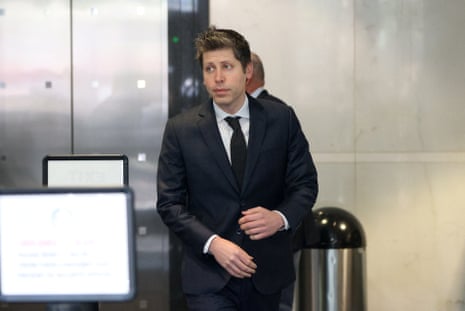
The lawsuit centers on allegations that OpenAI and Altman have deviated from the company's original mission and commitments made to Musk during the organization's early stages. Musk's legal team has argued that the AI firm violated fundamental agreements and principles that were established when the company was founded. The case delves into fundamental questions about corporate governance, shareholder obligations, and the responsibilities of leadership in rapidly evolving technology companies.
Throughout the trial, documents presented to the jury have included emails, internal communications, and strategic planning materials that span years of interaction between the parties involved. These materials have painted a detailed picture of how OpenAI's direction and priorities shifted over time, particularly as the company secured significant investment and developed increasingly capable AI systems. The evidence presented has raised important questions about the nature of contractual obligations and the extent to which companies can modify their original missions.
The testimony from witnesses has been particularly revealing, with industry insiders providing context about the competitive landscape of AI development and the pressures that influence strategic decisions at major technology firms. Expert witnesses have discussed the technical challenges of developing artificial intelligence, the regulatory environment surrounding AI companies, and the financial incentives that drive business decisions in the sector. These accounts have helped the jury understand the broader context in which the alleged disputes between Musk and Altman occurred.
The deliberation process that now lies ahead represents a crucial moment not only for the parties involved but potentially for the entire artificial intelligence industry. The jury's verdict could establish important legal precedents regarding how AI company governance works and how founder agreements should be interpreted and enforced. Legal experts have suggested that the outcome could influence how future technology ventures structure their founding documents and leadership arrangements.
Both sides have had the opportunity to present their closing arguments, summarizing their cases and emphasizing the key evidence and testimony they believe supports their positions. These final arguments typically focus on the most compelling aspects of each side's case and attempt to persuade the jury to view the evidence in a favorable light. The attorneys have drawn on weeks of proceedings to construct narratives that resonate with the jury members tasked with rendering judgment.
As the jury begins its deliberations, the entire technology industry watches closely to see how this unprecedented case will be resolved. The trial has highlighted the importance of clear governance structures and well-documented agreements in technology startups, particularly in the fast-moving and high-stakes world of artificial intelligence development. Industry observers expect that regardless of the outcome, this case will influence how future tech companies establish their foundational agreements and manage relationships between key stakeholders.
The specific details of what the jury will be instructed to consider in reaching their verdict have been carefully outlined by the judge presiding over the case. The jury instructions are designed to ensure that jurors apply the law correctly to the facts presented during the trial. These instructions typically cover legal standards for liability, the burden of proof, and how jurors should weigh various types of evidence.
The timeline for the jury's deliberation remains uncertain, as such processes can take anywhere from hours to weeks depending on the complexity of the case and the degree of disagreement among jurors. Court observers will be monitoring developments closely as the verdict draws closer. The resolution of this case will provide answers to the questions that have animated this trial: whether the promises made to Musk were violated, and whether OpenAI's current leadership bears responsibility for any such violations.
Source: The Guardian


