
Musk vs OpenAI: Petty Feud Masks Real AI Questions

Elon Musk's lawsuit against OpenAI reveals personal grievances overshadowing critical AI safety debates. Explore the drama behind tech's biggest court battle.
The highly anticipated legal battle between Elon Musk and OpenAI has captivated the technology world, promising to shed light on some of the most pressing questions about artificial intelligence development, safety protocols, and corporate responsibility. However, beneath the surface of this seemingly consequential court case lies a fundamentally different narrative—one driven primarily by personal animosity, financial interests, and wounded ego rather than genuine concerns about the future of AI governance.
At face value, the lawsuit between Musk, the billionaire entrepreneur and former OpenAI board member, and Sam Altman, the organization's current CEO, presents an opportunity for the legal system to establish important precedents regarding AI safety, research ethics, and the responsibilities of emerging technology companies. The case could potentially influence how artificial intelligence organizations operate going forward, establishing clearer guidelines for safety measures and corporate transparency. Yet observers and legal experts alike have noted that the actual motivations driving this litigation appear far less noble than the public positioning might suggest.
The fundamental issue at the heart of this dispute centers on diverging visions for OpenAI's future direction and structure. When Musk co-founded the organization in 2015 alongside other tech luminaries, it was envisioned as a non-profit research institution dedicated to ensuring that artificial general intelligence would be safe and beneficial for humanity. However, the company's evolution—particularly its transition toward a for-profit model and its transformation into one of the world's most valuable private companies following the massive success of ChatGPT—has created deep rifts among those involved in its early years.
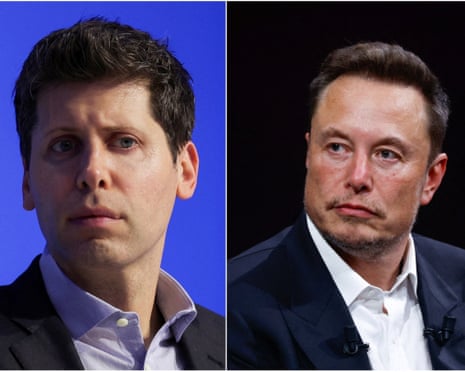
Musk's departure from the OpenAI board years ago signaled the beginning of their professional relationship's deterioration. Since then, the billionaire has become increasingly critical of the company's direction, particularly its partnership with Microsoft and its apparent shift away from the non-profit mission that originally defined the organization. These criticisms, while framed in terms of corporate ethics and AI safety concerns, carry distinct undertones of personal disappointment and financial considerations. Musk himself has launched his own artificial intelligence startup called xAI, which positions him as a direct competitor to OpenAI, further complicating the narrative of purely principled objections.
The financial dimensions of this conflict cannot be overlooked when analyzing the true motivations behind Musk's legal action. OpenAI's valuation has skyrocketed to extraordinary levels, making it one of the most sought-after investment opportunities in the technology sector. While Musk's early involvement in the organization gave him certain stakes and claims to its success, his departure meant he missed out on the enormous wealth creation that followed ChatGPT's launch and subsequent dominance in the generative AI market. The lawsuit, in this context, reads less like a principled stand for AI safety and more like an attempt to reclaim a piece of a pie from which he has been excluded.
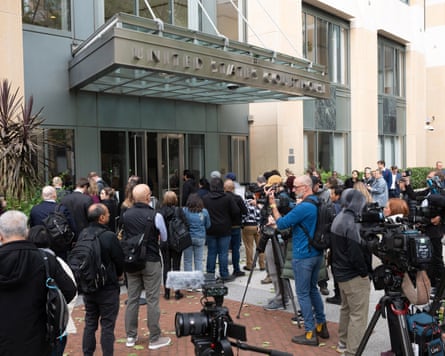
The specific legal claims contained in the lawsuit reveal the somewhat petty nature of many grievances being aired. The arguments frequently center on contractual disputes, intellectual property questions, and assertions about how company resources were allocated—matters that, while potentially important from a legal perspective, lack the gravitas one might expect if this case were truly about safeguarding artificial intelligence development at a fundamental level. Instead of focusing exclusively on broad questions about AI ethics and safety protocols, the litigation delves into detailed complaints about specific business decisions and resource distribution.
Meanwhile, the AI safety concerns that theoretically motivate this dispute have largely taken a backseat to more mundane legal maneuvering. The industry as a whole continues to grapple with genuine, unresolved questions about how to ensure that advanced artificial intelligence systems remain aligned with human values, how to prevent misuse of powerful AI capabilities, and how to establish appropriate regulatory frameworks for this emerging technology. These are extraordinarily complex questions that demand serious intellectual engagement and thoughtful policy development. Yet the Musk-Altman litigation has done little to advance these conversations and instead has muddied the waters with personal drama and financial disputes.

The broader technology community has watched this legal spectacle with a mixture of fascination and frustration. Many serious AI researchers and ethicists had hoped that high-profile figures within the industry might use their platforms and influence to drive meaningful public discourse about artificial intelligence governance and safety measures. Instead, the Musk-OpenAI case has become a celebrity-driven legal drama that attracts attention primarily because of the personalities involved rather than the substantive issues at stake.
Sam Altman's OpenAI, for its part, has not emerged from this situation as a paragon of virtue either. The organization's rapid shift from non-profit to for-profit structure, while perhaps necessary for funding large-scale AI research, did abandon some of the founding principles that originally attracted idealistic technologists and researchers to the venture. The partnership with Microsoft has created questions about whether a company deeply entwined with corporate interests can maintain genuine commitment to AI safety as a priority. These criticisms are fair and deserve serious engagement, but they are often obscured by the personal dimensions of the ongoing legal battle.
What this litigation ultimately reveals is that even in an industry that positions itself as forward-thinking and focused on humanity's future, petty personal disputes and financial interests often dominate decision-making. The Musk-OpenAI case should serve as a cautionary tale about how institutional conflicts can overshadow more meaningful conversations about technology's impact on society. When billionaires and ambitious entrepreneurs clash, the resulting legal proceedings often become more about individual grievances than about advancing public understanding or establishing better governance structures.
Going forward, the technology industry would benefit from mechanisms that allow substantive debates about artificial intelligence safety and governance to proceed independently from personal disputes between prominent figures. The questions that this case could theoretically address—about corporate accountability, research ethics, and the responsible development of powerful technologies—deserve serious attention in forums that prioritize intellectual rigor over entertainment value. Until that happens, cases like the Musk-OpenAI dispute will continue to distract from the genuinely important work of ensuring that artificial intelligence development serves broad human interests rather than narrow personal or corporate agendas.
Source: The Guardian


