
Muslim Fashion Designers Redefine Style in Paris

Young Muslim designers showcase innovative floral dresses and boxy streetwear at Paris fashion event, signaling a more inclusive approach to French culture and fashion.
The vibrant intersection of tradition and contemporary fashion took center stage as Muslim fashion designers presented their latest collections at a significant Paris fashion event. The showcase featured an eclectic mix of styles, from delicate floral dresses that honored cultural aesthetics to bold boxy streetwear designs that challenged conventional fashion norms. This diverse presentation represented more than just clothing; it embodied a cultural moment where diverse voices were finally gaining recognition on one of the world's most prestigious fashion stages.
The event drew attention from fashion enthusiasts, industry professionals, and cultural observers who recognized the historical significance of the moment. Muslim fashion designers from various backgrounds presented collections that seamlessly blended Islamic dress codes with contemporary silhouettes and modern design philosophies. The pieces on display reflected years of creative development, market research, and personal vision from designers who have long worked to establish themselves within the competitive global fashion industry.
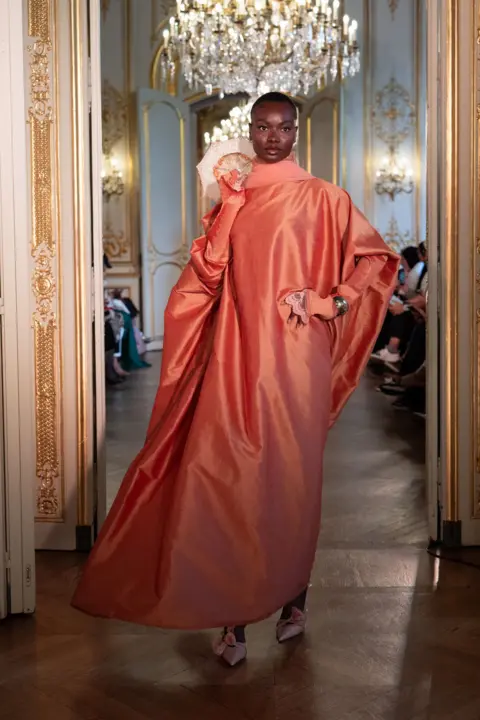
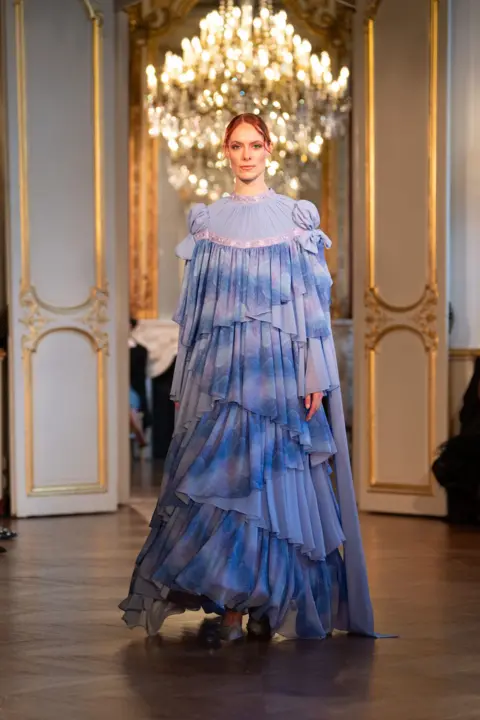
Among the standout collections were floral dresses that incorporated traditional Islamic modesty requirements while embracing current fashion trends. These garments featured flowing fabrics, intricate botanical patterns, and strategic layering that allowed wearers to express personal style without compromising their values or religious beliefs. The designs demonstrated that modest fashion and contemporary aesthetics were not mutually exclusive but could instead enhance and complement one another in innovative ways.
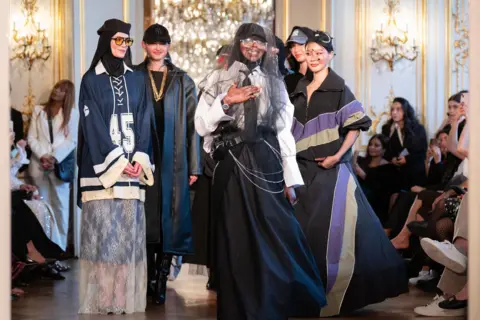
The boxy streetwear collections presented an entirely different perspective on modern fashion, emphasizing comfort, functionality, and architectural silhouettes. These pieces incorporated oversized proportions, unconventional fabric combinations, and urban-inspired details that appealed to younger audiences seeking authentic expression through clothing. Designers demonstrated mastery of fabric manipulation, color theory, and structural design principles that elevated streetwear beyond its casual origins into high-fashion territory.
Young attendees at the fashion event expressed genuine enthusiasm about what they witnessed, with many noting that the showcase represented something fundamentally important about the evolution of French society. Several observers commented that the visibility of Muslim fashion designers on the Paris stage indicated a shifting cultural landscape where diversity and inclusivity were becoming increasingly valued. This perspective highlighted how fashion events could serve as barometers for broader social and cultural changes within a nation.
The significance of this Paris fashion event extended beyond the immediate fashion community. For many young people from Muslim backgrounds living in France and across Europe, seeing designers who shared their heritage and cultural values represented on such a prominent platform validated their own experiences and aspirations. The event suggested that French culture was evolving to become more welcoming and accepting of diverse voices and perspectives, moving beyond traditional homogeneous representations of French style and identity.
Fashion industry representation has long been a contentious issue, with many communities historically underrepresented in high-fashion spaces. The participation of Muslim designers in major Paris fashion events marked a notable shift in how the industry was beginning to acknowledge and celebrate diverse talent. This movement reflected broader conversations happening globally about equity, representation, and the need for fashion institutions to actively work toward inclusivity rather than maintaining status quo patterns.
The collections showcased at the event demonstrated remarkable technical skill and conceptual depth. Designers utilized innovative textile technologies, sustainable materials, and ethical production practices, proving that modest fashion and environmentally conscious design could coexist. Many pieces incorporated details such as sustainable dyeing techniques, upcycled fabrics, and fair-trade materials, indicating that these designers were not only creating beautiful garments but also considering the broader implications of their work on society and the environment.
Paris, long considered the global fashion capital, has historically been slow to embrace certain forms of diversity on its runways and in its fashion institutions. The presence of Muslim designers presenting modest fashion collections at this prominent event signified a meaningful rupture with traditional patterns. Fashion critics and cultural analysts noted that such events could have cascading effects throughout the industry, potentially influencing other fashion capitals and major retailers to seek out and promote diverse designer talent.
The event also served as an important platform for younger designers who might not otherwise have access to major fashion industry connections and opportunities. Many of the showcased designers discussed how difficult it had been to break into the industry, facing both explicit and implicit barriers based on their religious identity and cultural background. By providing a dedicated space for these designers to present their work, the event acknowledged and attempted to address some of these systemic inequities within the fashion world.
Fashion observers pointed out that the success of this event could influence how major fashion houses and retailers approach diversity in their hiring, marketing, and product development. If Muslim fashion designers and their aesthetic contributions gained broader recognition and commercial success, it could open doors for other marginalized communities within the industry. The economic potential of markets interested in modest fashion and culturally conscious design was substantial, representing millions of consumers worldwide who had previously been underserved by mainstream fashion retailers.
The reactions from attendees revealed deeply personal significance of the event for many visitors. Young people from Muslim backgrounds spoke about feeling represented and seen in ways they had not experienced at previous fashion events. Some mentioned how the collections inspired them to pursue careers in fashion design themselves, knowing that pathways existed for people like them. This generational impact could prove to be one of the most important outcomes of the Paris event, potentially inspiring a wave of new talent entering the fashion industry.
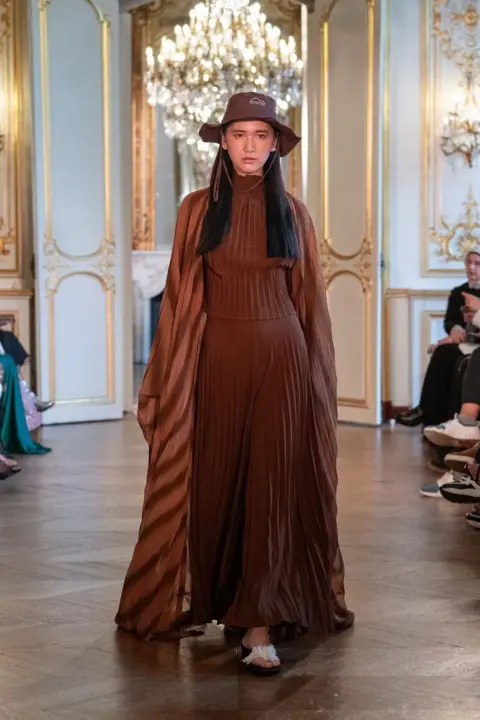
The inclusive fashion movement on display at the Paris event reflected larger global trends toward celebrating cultural specificity within fashion rather than demanding assimilation or conformity. Designers were increasingly finding audiences and commercial success by creating collections that authentically expressed their cultural identities and values. This shift suggested that the future of fashion might be characterized less by a single dominant aesthetic dictating taste and more by a pluralistic landscape where diverse voices could simultaneously flourish and gain recognition.
Industry insiders anticipate that the visibility gained from this Paris event will provide participating designers with expanded opportunities for collaboration, retail partnerships, and international exposure. Several major fashion retailers have already expressed interest in stocking collections from showcased designers, recognizing the significant consumer demand for well-designed modest fashion and culturally conscious streetwear. The commercial viability of Muslim fashion design, once a niche market, was increasingly being acknowledged as a significant and growing sector within the global fashion economy.
Looking forward, the successful execution of this Paris fashion event may establish a precedent for future events celebrating diverse designer communities. Fashion institutions in other major cities may follow suit, creating dedicated platforms for underrepresented designers to showcase their work. As fashion continues to grapple with questions of equity and representation, events like this one demonstrate that celebrating diversity is not only culturally significant but also commercially sound and artistically enriching for the entire industry.
Source: BBC News


