
NASA Artemis II Moon Mission Eyes March Launch After Test

NASA's successful fueling test of the Space Launch System rocket boosts confidence for the Artemis II lunar mission launch targeting March 6, 2026.
NASA's ambitious Artemis II lunar mission has taken a significant step closer to reality following a successful fueling test of the massive Space Launch System (SLS) rocket. The comprehensive test, which concluded Thursday evening, has instilled considerable confidence among NASA's senior leadership team, paving the way for the historic launch of four astronauts on a journey around the Moon as early as March 6, 2026.
The latest fueling demonstration marked a dramatic improvement over the previous attempt conducted on February 2, where technical complications and hydrogen leaks plagued the operation. This time, the SLS rocket fueling test proceeded without any major incidents, representing a crucial milestone for the program that aims to return humans to lunar orbit for the first time since the Apollo era.
The successful test comes after NASA engineers worked diligently to address the hydrogen gas leak that emerged from the rocket's primary fueling line during the earlier February attempt. Technical crews replaced critical seals directly at Launch Pad 39B at Kennedy Space Center in Florida, implementing enhanced safety protocols and improved connection mechanisms to prevent similar issues from recurring.
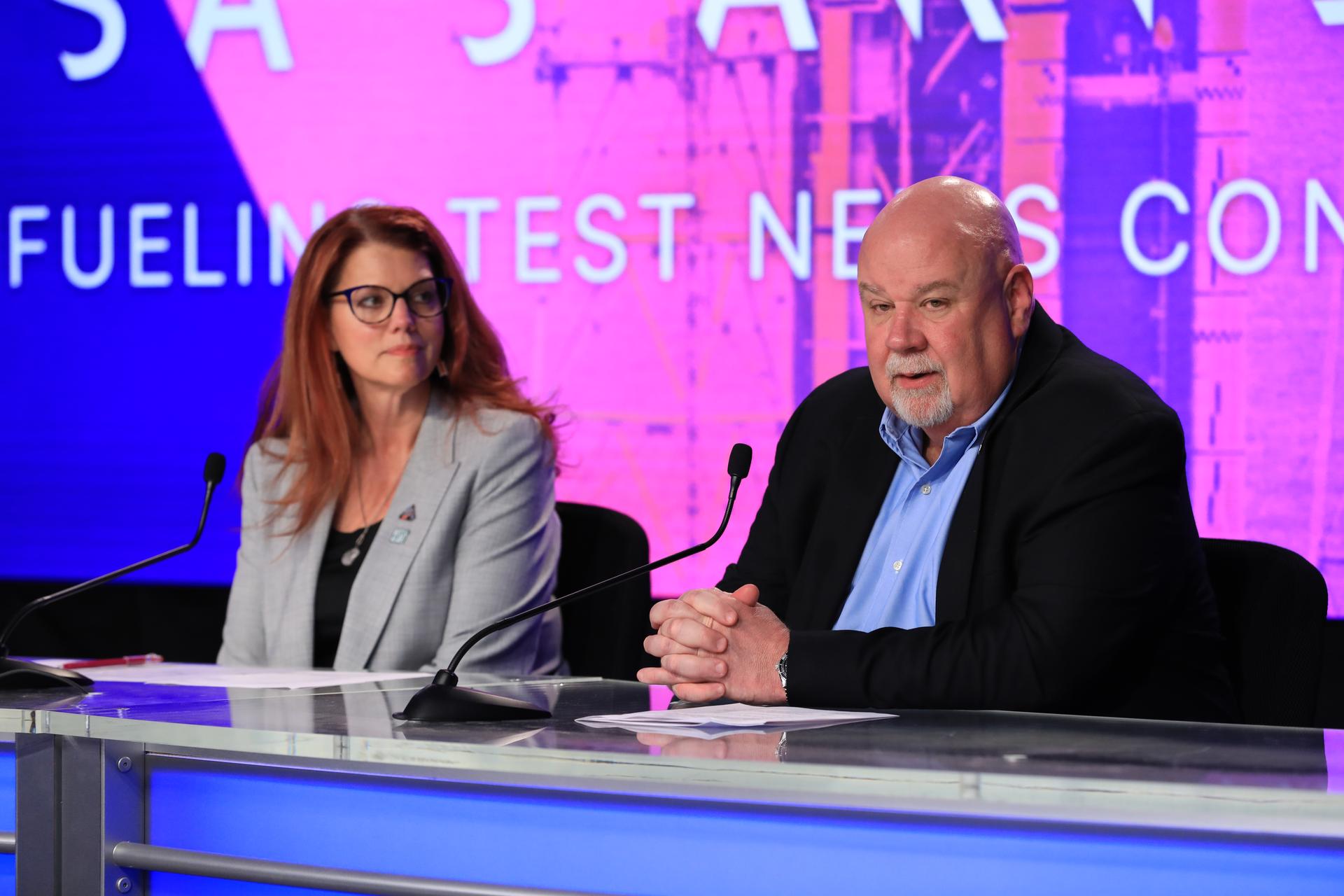
"For the most part, those fixes all performed pretty well yesterday," explained Lori Glaze, acting associate administrator for NASA's exploration programs. "We were able to fully fuel the SLS rocket within the planned timeline." Her comments reflect the growing optimism within NASA's leadership as the agency prepares for one of the most significant space exploration missions in decades.
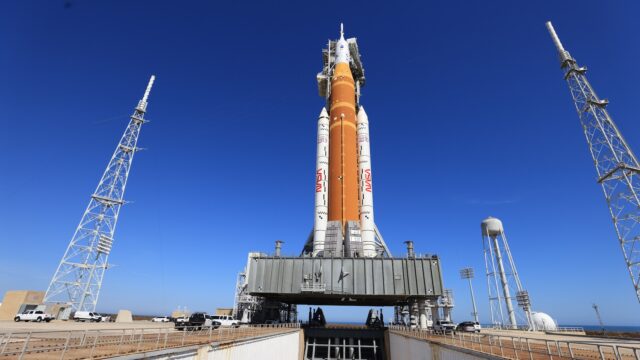
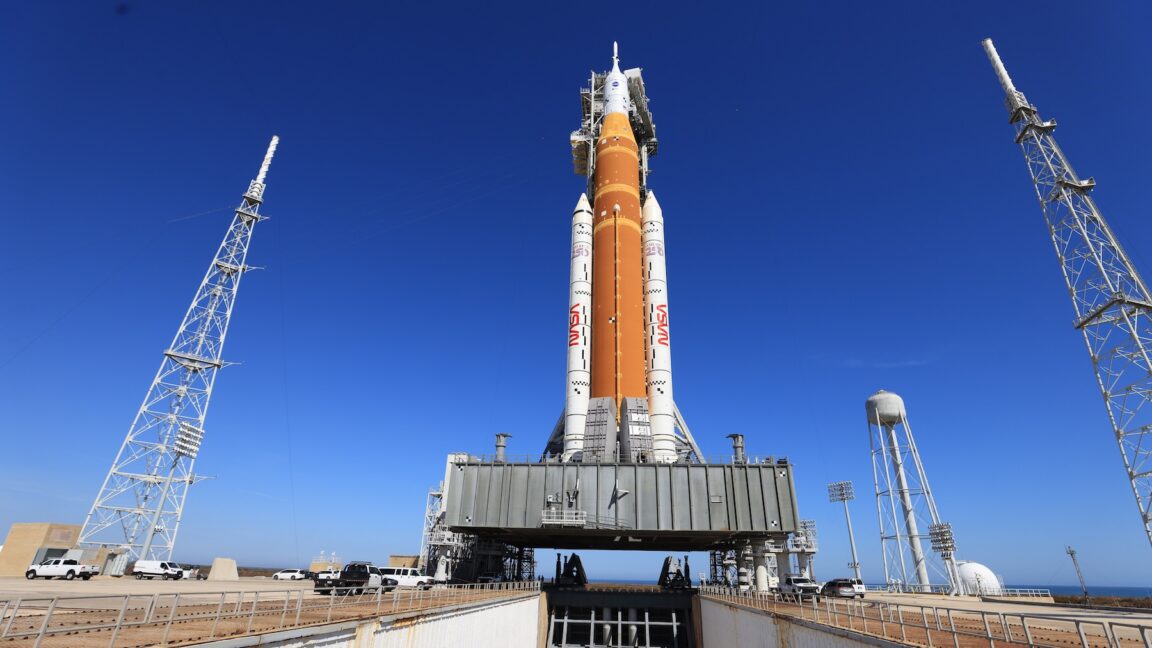
The Space Launch System represents the most powerful rocket NASA has ever built, standing at an impressive 322 feet tall and capable of generating 8.8 million pounds of thrust during liftoff. The vehicle is specifically designed to carry the Orion spacecraft and its crew beyond Earth's orbit, making it an essential component of NASA's broader Artemis program goals.
Thursday's fueling test involved loading both liquid hydrogen and liquid oxygen propellants into the rocket's core stage and upper stage, simulating the exact procedures that will occur on launch day. The operation required precise temperature control and careful monitoring of all systems, as the super-cooled propellants must be maintained at extremely low temperatures throughout the process.
The four-person crew selected for Artemis II includes Commander Reid Wiseman, Pilot Victor Glover, Mission Specialist Christina Hammock Koch, and Canadian Space Agency astronaut Jeremy Hansen. These astronauts have been training extensively for the mission, which will mark the first crewed lunar flyby since Apollo 17 in 1972.
The mission profile calls for a ten-day journey that will take the crew around the Moon and back to Earth, testing all critical systems and procedures necessary for future lunar landing missions. Unlike the uncrewed Artemis I mission that successfully completed a similar trajectory in 2022, Artemis II will carry human passengers and serve as a crucial proving ground for life support systems and crew operations in deep space.
NASA's renewed focus on lunar exploration represents a significant shift in the agency's priorities, driven by both scientific objectives and geopolitical considerations. The Artemis program aims to establish a sustainable human presence on the Moon while preparing for eventual crewed missions to Mars.
The successful fueling test addresses one of the most critical technical challenges facing the mission. Hydrogen is notoriously difficult to handle due to its tendency to leak through the smallest gaps, and the enormous quantities required for the SLS rocket amplify these challenges. The improved sealing mechanisms and refined procedures developed for Thursday's test will be directly applied to launch operations.
Kennedy Space Center's Launch Complex 39B has undergone extensive modifications to support the Artemis program, including new mobile launcher platforms, updated fueling systems, and enhanced safety protocols. The facility, which previously supported Space Shuttle missions, has been transformed into a state-of-the-art launch complex capable of handling the unique requirements of deep space missions.
Weather conditions and technical readiness will ultimately determine the exact launch date, but NASA officials express growing confidence that the March 6 launch target is achievable. The agency maintains backup launch windows throughout March and April to accommodate any last-minute adjustments or unforeseen technical issues.
The implications of a successful Artemis II mission extend far beyond the immediate achievement of returning humans to lunar orbit. The mission will validate critical technologies and procedures necessary for Artemis III, which aims to land the first woman and next man on the Moon's surface, potentially as early as 2027.
International partnerships play a crucial role in the Artemis program, with the Canadian Space Agency contributing the advanced robotic arm system and crew member Jeremy Hansen. Additional international collaborations include contributions from the European Space Agency, Japan Aerospace Exploration Agency, and other partner nations committed to peaceful lunar exploration.
The economic impact of the Artemis program extends across multiple states and involves thousands of contractors and suppliers. Boeing serves as the primary contractor for the SLS core stage, while Aerojet Rocketdyne provides the RS-25 engines that power the rocket's first stage. Lockheed Martin builds the Orion spacecraft that will carry the crew to the Moon and back.
As NASA prepares for this historic mission, the agency continues to emphasize safety as the top priority. Extensive testing, simulation, and validation procedures ensure that all systems meet the rigorous standards required for human spaceflight. The successful completion of Thursday's fueling test represents a major step forward in this comprehensive safety verification process, bringing the dream of renewed lunar exploration closer to reality.

Source: Ars Technica


